Penn doctor studied PCOS symptoms for more than a decade to rename the syndrome PMOS
International experts, including Penn Medicine's Anuja Dokras, have announced that PCOS, a condition that can impact women's fertility, will be called polyendocrine metabolic ovarian syndrome (PMOS).
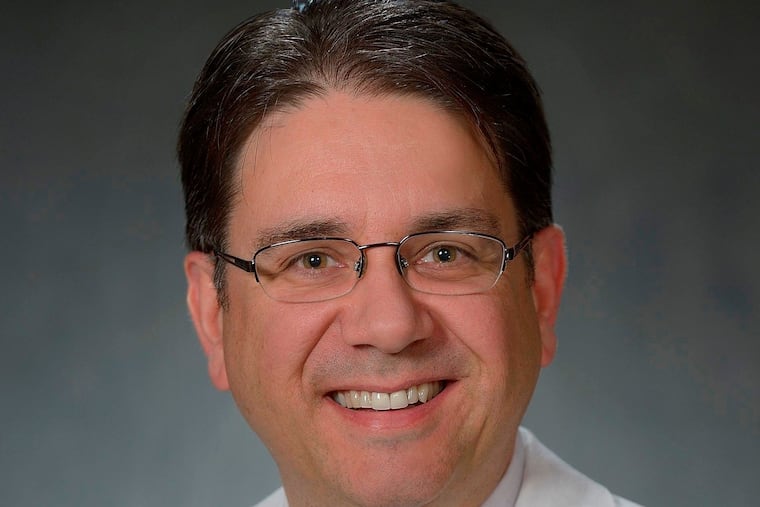
University of Pennsylvania doctor Anuja Dokras spent the last 14 years working to rename a common medical condition that can impact fertility in women, called polycystic ovary syndrome, or PCOS.
Rooted in outdated science, the name often confused her patients into incorrectly thinking they had cysts on their ovaries.
It also made people think the disorder — which affects one in eight women — was primarily gynecologic in nature, when it actually has whole-body effects.
“We knew this was a misnomer,” Dokras said.
An international group of experts, including Dokras, announced in May that PCOS would now be called polyendocrine metabolic ovarian syndrome (PMOS), in an article published in the medical journal The Lancet.
The new name is meant to capture the broader hormonal and metabolic effects of the condition.
Dokras estimates it will take another three years to formally classify PMOS as an endocrine condition, change insurance billing codes, and update published literature.
Scientists also need to get the word out to patients, doctors, and the public at large. The previous name had been around since 1935.
The Inquirer spoke with Dokras, director of the Penn PMOS Center, about the name change and the impact she hopes it makes.
What is PMOS?
It’s the most common endocrine disorder in women.
The presentations are typically irregular menses (menstrual periods) and increased hair growth and acne. We also typically see lots of follicles within the ovaries. Those three become the criteria for making the diagnosis.
Research from my group and others has shown that these patients are at a high risk for cardiometabolic complications, including high cholesterol, high blood pressure, diabetes, or problems with their blood sugar and weight gain. They also have an increased risk of mental health conditions like depression, anxiety, and disordered eating.
When did you start to question the name PCOS?
When I began to work in this space, it was clear that women [with PCOS] did not have large cysts on their ovaries. What they had were small follicles, and each of the follicles contain eggs. It’s part of their fertility.
As we asked patients what symptoms they were most concerned about, they talked about ovarian cysts, which was because of said misnomer.
We spend a lot of time correcting that misinformation when patients come to see us. Then we have to reassure them and say, ‘you don’t have a big cyst in the ovary. It’s not going to rupture, it’s not going to twist.’
How did the idea for a name change came up?
The first time it was brought up was when we had a meeting at the National Institutes of Health in 2012. The reviewing panel came back and said, “We suggest you change the name, because the name doesn’t represent everything that you have shared with us about the advances in this condition.” That’s when the journey began.
What did the renaming process involve?
Surveys went out to patients and the providers that offer care. We made sure that there were responses from different world regions as well.
The patients didn’t want a word that would be stigmatizing. If you have a condition that’s going to affect your fertility, that is not viewed favorably by families, and patients were very concerned about the choice of words. They also wanted words where there’s clarity, so you can communicate easily.
Finally, there were workshops where the medical professional societies and patient groups across the globe sent one representative each.
How did the name polyendocrine metabolic ovarian syndrome (PMOS) come about?
This is an endocrine condition, which means that there are certain organs within the body that are making hormones and those hormones are not working well. They’re either over-secreted or under-secreted. The word ‘poly’ was attached, because it was not just one hormone. A lot of different endocrine glands or organs are involved.
Then metabolic was added because there are a number of cardiometabolic abnormalities: the high cholesterol, glucose problems or diabetes, high blood pressure, and obesity.
We left ovarian because we also had marketing input and there were some suggestions to not be completely different (from PCOS) because that’s going to be confusing.
And we needed the word syndrome because it still describes a constellation of features.
How has the response been to the name change?
It was more than what we had expected. I think we live in a very different world now, where communicating with the patients is on a different level. It’s not just through publications. The patient community and the advocates got the news very quickly because of social media. It was lit up.
In terms of getting the information out to the medical community, it’s always going to be a little slower. We’ll continue to do that at different meetings.
We’ve said it may be a three-year transition.
What work remains?
The first step was the communication and getting the message out. Then in parallel, there needs to be a smooth transition in terms of our research publications. We don’t want to lose out what was published under the name of PCOS because now it’s PMOS.
When patients go to see their doctors, there’ll have to be a transition in the electronic health records, in terms of the terminology and insurance companies trying to understand this new word PMOS. The codes for billing will need to change.
We’re also trying to do a research reclassification. PMOS was formally considered an ovarian condition, and we’re trying to switch it now to become an endocrine condition.
What do you hope this name change accomplishes?
I’m hoping that, from the patient perspective, they’re going to be less worried about cysts in the ovaries. I’m also hoping they will get earlier diagnoses because the name includes endocrine and metabolic. Now we’re hoping that all these different specialties will take some ownership of the syndrome, and that way the patient is not hopping between different caregivers.
For the researchers — I’m one of them — I do hope that there’ll be increased funding. We still have a lot of gaps in knowledge, and we need to do a lot more research.
We hope that there would be funding, not just from the institutions that support women’s health, but from those that support diabetes, endocrinology, heart disease, dermatology, and mental health.
We hope that a name that’s so comprehensive and broad gets more people invested in helping answer some of these very important questions.