‘Can we talk about RFK Jr.?’ A dark cloud hangs over vaccine makers.
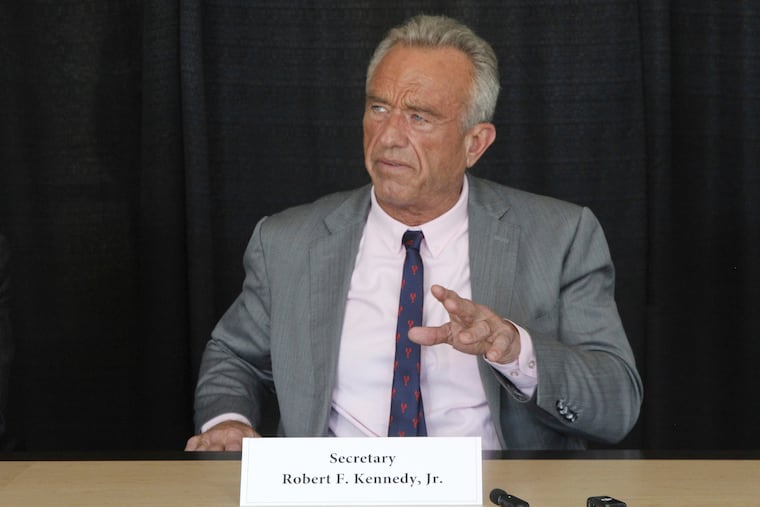
The macro environment of American vaccine policy is being radically reshaped by Robert F. Kennedy Jr. — an abrupt shift that is casting a pall on the business of developing vaccines.
Vaxcyte had high hopes for a vaccine in early stages of development that could stem the scourge of school-age children and their parents: the bacterial infection that causes Strep throat.
“There’s a profound amount of disease that’s generated in primary schoolchildren as they congregate,” Grant Pickering, the vaccine-maker’s CEO, said at an investment conference in June. Less than two months later, Vaxcyte announced that it would hold off starting human trials for its strep vaccine, citing a need to conserve cash for its most advanced vaccine and a “dynamic macro environment.”
The macro environment of American vaccine policy is being radically reshaped by Health and Human Services Secretary Robert F. Kennedy Jr. — an abrupt shift that is casting a pall on the business of developing vaccines.
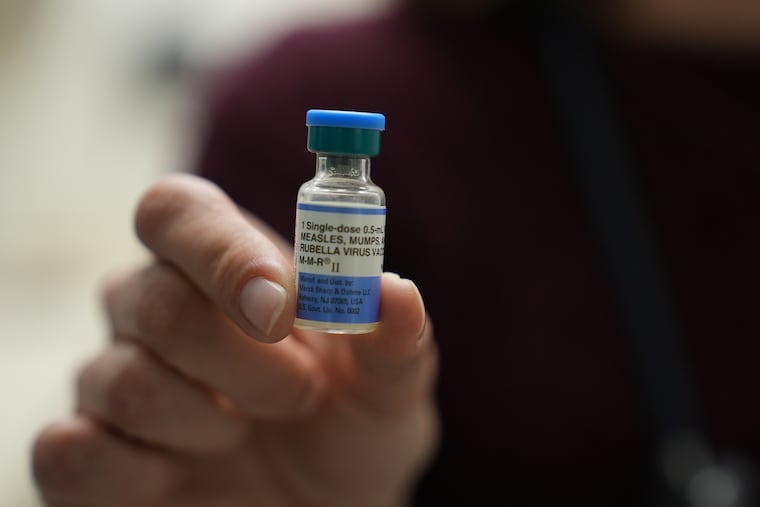
Kennedy, who was a prominent anti-vaccine activist before becoming the nation’s top health official, is using his powerful post to raise doubts about vaccines from coronavirus to measles, while rolling back government research funding. That is creating an environment where some promising discoveries are being shelved because of concerns about lack of investment and difficulty winning regulatory approvals — particularly for mRNA-based vaccines — according to interviews with a dozen scientists, investors and executives, and a review of company financial disclosures.
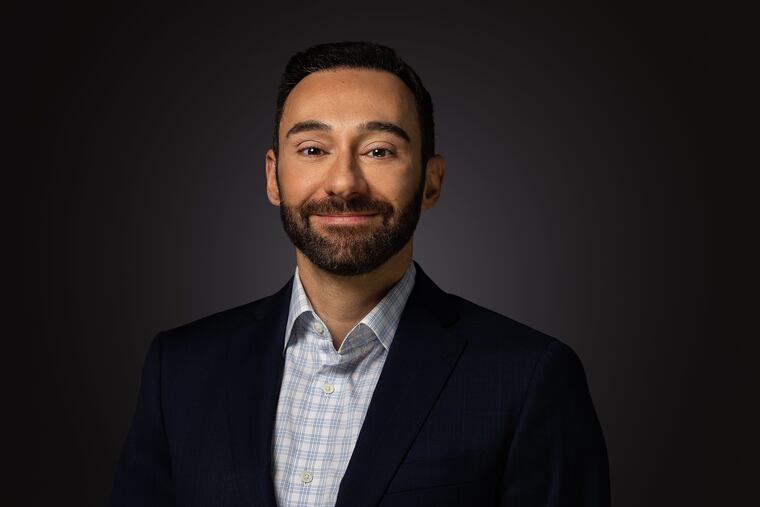
Jonathan Kagan, co-founder of Corner Therapeutics, a startup using mRNA-based technology against infectious diseases and cancer, said that meeting with investors historically involved scientific and business discussions.
“These days, it involves those — plus can we talk about RFK Jr. and the HHS?” said Kagan, who is also a Harvard Medical School professor. Numerous venture capital investors are turning away from technologies, such as mRNA, that are regularly disparaged by Kennedy, he said.
“It’s not because the data’s not there, it’s not because the science isn’t innovative. It’s because we’re worried you’re going to hit a roadblock you can’t get around,” he said.
The business of making vaccines, which are given to healthy people, has often faced intense scrutiny over safety. But people who’ve worked in the field for decades say they never imagined an environment so hostile to vaccines, emanating directly from the nation’s globally renowned public health agencies.
“I thought what is happening now in the United States would be possible in any country except the United States,” said one senior executive in charge of vaccines for a major drugmaker, who spoke on the condition of anonymity because they were not authorized to speak publicly. “We’re going to have less vaccines developed for sure.”
Kennedy in June unilaterally replaced an influential advisory panel that recommends which vaccines Americans should receive, appointing several new members who have harshly criticized coronavirus vaccines. HHS in August said it canceled $500 million of contracts for developing mRNA-based vaccines. Administration officials plan to link coronavirus vaccines to the deaths of 25 children, apparently based on unverified reports submitted to a federal database, The Washington Post reported Friday.
While the coronavirus vaccines have documented side effects, such as rare heart-related inflammation mainly in young men, peer-reviewed studies have shown they prevent severe illness and have had a generally safe track record.
Robert Califf, the Food and Drug Administration’s commissioner during the Biden administration, said at an event this week that the current administration’s actions on vaccines are leading to a systemic breaking point, comparing the situation to a nursery rhyme.
“The question is, when is Humpty Dumpty gonna actually hit the floor?” he said.
“The vaccine industry’s financial challenges have nothing to do with Secretary Kennedy and everything to do with years of eroded trust,” said Andrew Nixon, an HHS spokesman. “Secretary Kennedy’s reforms are about restoring credibility so that when vaccines are recommended, families can have confidence the guidance is driven by evidence, not industry influence.”
The FDA in August approved coronavirus vaccines made by Pfizer, Moderna and Novavax for people considered to be at higher risk, which spawned widespread confusion by reducing the number of people eligible to receive the shots.
Since the 2024 presidential election, the stock prices of biotech companies broadly have slumped. The drumbeat of negative vaccine commentary from federal health agencies — and the associated increase in regulatory risk for innovations — is making it especially tricky for some early-stage companies developing vaccines to raise money, investors said.
Glenn Rockman, managing partner of Adjuvant Capital, said his investment firm was part of a consortium that had agreed to inject nearly $100 million into a vaccine-focused startup before Kennedy was sworn in as HHS secretary. But in April, the lead investors — Silicon Valley and Boston-based venture capital firms — “whittled down their anchor investment to a tiny, and I mean tiny, fraction,” he said. He declined to name the startup or the venture firms.
“There are just fewer dollars around the table to advance these things and they go that much slower,” Rockman said.
The chill over vaccine research arrived earlier this year at the National Institutes of Health, whose grants are a crucial source of basic research funding and often generate ideas that are taken up by industry to be developed into products. In March, the agency cut back or terminated 40 grants because they mentioned vaccine hesitancy. NIH officials also informed scientists this year that after investing $258 million in two major consortia focused on HIV vaccine development over seven years, they would end that program next summer.
Jeanne Marrazzo, who was director of the National Institute of Allergy and Infectious Diseases until being placed on leave in April, said that her staff also had to search and submit a list of all mRNA vaccine research being supported by the agency. “It became clear that vaccines were going to be addressed in a way that was even worse than I initially feared,” Marrazzo said.
NIH is celebrating one vaccine project dubbed “Generation Gold Standard” — making a $500 million investment in an older vaccine technology developed by two scientists in senior NIH leadership. The decision to fund the project has puzzled many outside scientists.
Several biotech investors said they believe vaccines will remain popular in the long run — in part because if people stop getting them, diseases will reemerge and remind them of the value of vaccines. Still, the new regulatory posture is proving disruptive.
“We’re used to taking biology risk,” said Peter Kolchinsky, a virus expert and managing partner of RA Capital Management. “You know, if the vaccine is not good enough, it fails, we lose money, I get that.” But if a vaccine’s progress hinges on an FDA decision — such as whether to allow a trial — he sees additional risk. “In the near term, until we see where things shake out for vaccines, we’re going to be more nervous about that investment.”
Publicly traded vaccine makers must advise investors of risks in public disclosures. Vaxcyte included a risk in a May filing that the “FDA Commissioner’s office has also become involved in certain vaccine approval decisions,” one factor that “may present additional hurdles to development.” In August, it added a new risk about Kennedy’s overhaul of the Advisory Committee on Immunization Practices, which “could impact the viability of new vaccines.”
In response to a request for comment, Vaxcyte sent a statement that cast the administration in a positive light. “We remain fully focused on advancing high-impact vaccines that address serious bacterial infections and continue to engage constructively with the Administration,” Vaxcyte said. “President Trump has demonstrated a strong commitment to vaccine innovation and delivery, most notably through Operation Warp Speed, and we support that legacy by investing in programs and capabilities that align with the Administration’s priorities.”
Vaxart, which is developing a coronavirus vaccine in pill form funded by a federal grant, was ordered to stop work in February by a contractor for the Biomedical Advanced Research and Development Authority. That order was lifted in April, only for Vaxart to receive another stop-work order in August. It said the order did not explain why it was being told to suspend enrollment in the trial. Compounding its woes, Vaxart’s share price had dropped below the minimum required by Nasdaq and it was removed from the stock exchange, which executives have said could threaten its viability.
Vaxart said in a statement it had enrolled about 5,000 participants in an ongoing clinical trial for its COVID-19 pill at the time it received the latest stop-work order, “underscoring the huge public interest in our trial.” Its stock is trading on an alternative market while the company seeks to comply with NASDAQ’s price requirement.
David Dodd, CEO of GeoVax Labs, said his team began to map out ways to align the company’s work with administration priorities the day after the November election. He was encouraged by Kennedy’s comments in April expressing a preference for vaccines that use multiple antigens — foreign substances that trigger an immune response — which GeoVax’s platform is designed to do. But days later, GeoVax got a stop-work order for its federally funded multi-antigen coronavirus vaccine. It’s stock price has fallen more than 70% so far this year, and it, too, is in jeopardy of being delisted from the Nasdaq.
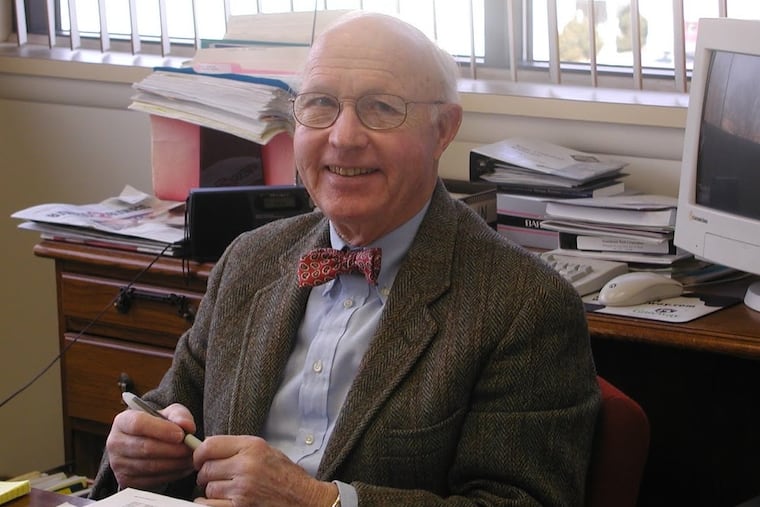
“The prospects are obviously — they’re not good,” Robert Coffman, former chief scientific officer for Dynavax, said of the current climate for inventing vaccines. At Dynavax, he helped develop a novel hepatitis B vaccine that took five years to win FDA approval.
“At the end of the day, all the decisions by regulatory agencies involved were scientifically based, even if I might have felt they were overly cautious at times,” he said. “I think with the kind of anti-vax leadership we have now, it never would have happened.”