Is self-tanner bad for you?
But just how much safer than ultraviolet radiation are these products? It's hard to shed light on the subject.
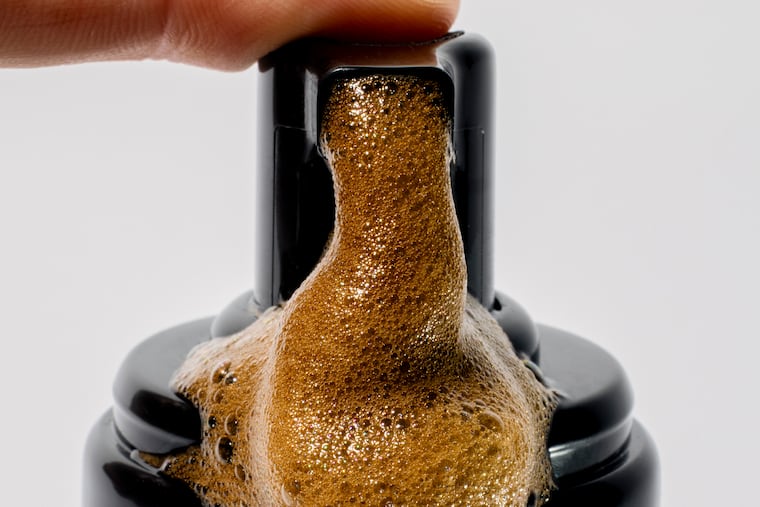
Q: I use sunless tanning products to avoid ultraviolet exposure, but many of them have scary-sounding ingredients. Is self-tanner safe?
A: A far cry from the orange spray tans of yore, today’s sunless tanning products can produce a deep and realistic glow — which is probably why they have become so popular. According to one market research firm, revenues from self-tanning products sold in the United States were expected to increase by about 44% between 2021 and 2030.
There’s no question that sunless tanning is safer than outdoor or indoor tanning, which increase the risk of skin cancer. “The decision between deliberately exposing your skin to ultraviolet radiation and using a sunless tanner for a faux glow is a no-brainer,” said Dr. Whitney Bowe, a dermatologist in New York.
But research on the safety of these products is woefully lacking. As is true for many skin care products sold in the United States, few, if any, studies have rigorously assessed their safety in humans, said Dr. Henry Lim, a dermatologist in Detroit.
That said, self tanners have been used without serious known health risks for decades, he said, so they are assumed to be safe. Still, there are some important considerations to keep in mind.
What scientists know
Most sunless tanning products contain the active ingredient dihydroxyacetone, or DHA, a simple carbohydrate that was studied in the 1920s as a treatment for diabetes. Researchers later noticed that when people accidentally spilled or coughed up DHA, it darkened the skin. That’s because DHA interacts with dead skin cells, releasing a brown color that makes the skin look tanned, often for several days. (Some sunless tanning products also contain erythrulose, an active ingredient that can help the tan last longer. But most products contain only DHA.)
The Food and Drug Administration approved the use of DHA as a cosmetic “color additive” in sunless tanning products in 1973. That designation requires far less safety data than is needed for drug or food approval, especially when the additive does not penetrate deeply into the skin, as research suggests is the case for DHA.
While some laboratory studies on isolated skin cells have found that when DHA is applied directly to the cells, it can produce free radicals and other molecules that have been associated with cellular damage, premature aging, and cancer, those studies used concentrations higher than what is found in sunless tanning products.
No human studies have conclusively ruled out the possibility that, if used regularly, the products could age the skin or increase the risk of cancer, said Natalie Gassman, an associate professor of medical and cellular pathology at the University of Alabama at Birmingham.
But there isn’t reason to think that they would when used as directed. Research suggests that most of the DHA from sunless tanning products stays on the skin’s dead cells and doesn’t reach living cells, said Dr. Dara Spearman, a dermatologist in Fort Wayne, Ind.
In rare instances, sunless tanning products can irritate the skin or cause allergic reactions, Spearman said. She added that the products could also clog pores and exacerbate acne in acne-prone people.
How to use self-tanner safely
DHA-containing products have only been approved for external use, so they shouldn’t be inhaled, ingested, or applied near delicate areas such as the eyes, lips, nostrils, or genitals.
To avoid inhaling or ingesting these products, use foams or creams rather than sprays, Spearman said. If you do use a spray, apply it to your palms first and then spread it over your body, Lim suggested. You can also apply it outside, or near an open window.
If you have sensitive skin or eczema, apply the product to a small patch of skin first and wait 24 to 48 hours, Spearman said. If there’s no reaction, you can apply it more broadly.
Don’t apply sunless tanning products to broken or irritated skin, as that may cause uneven tanning or exacerbate your injury, Spearman added. If you’re pregnant or nursing, it’s best to consult your doctor before using sunless tanning products, she said.
After sunless tanning, Bowe said, it’s still important to use a broad-spectrum sunscreen with SPF 30 or higher, and to wear sun-protective clothing and seek shade.
Bowe said she wished that people didn’t feel the need to darken their skin. But if she “had to choose between deliberately exposing skin to UV to chase a tan versus using a sunless tanner,” she said, “I’m firmly in Camp Sunless Tanner.”
This article originally appeared in The New York Times.