Forty years after a brain injury changed this veteran’s life, a Jefferson program helped him rebuild
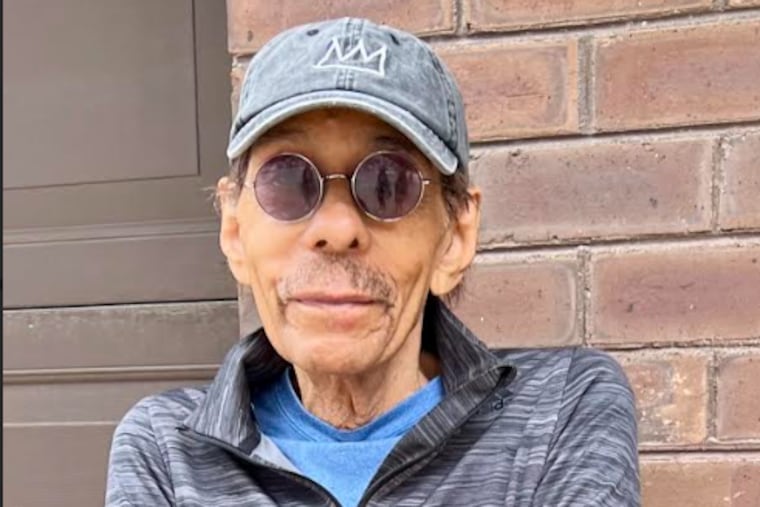
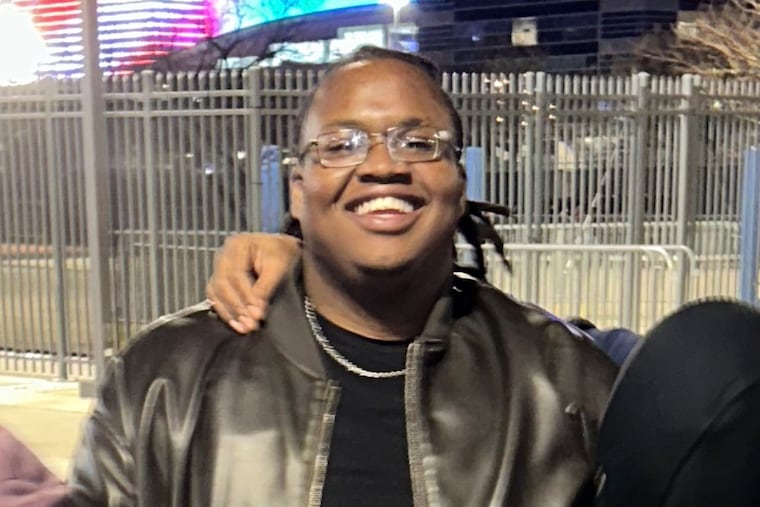
After a service-related brain injury left him with lasting effects, Scott Edgell found relief through a rehabilitation program for veterans called the MossRehab Institute for Brain Health.
When Scott Edgell was discharged from the military after a service-related head injury at age 20, he thought he would resume life as normal.
But over the next four decades, the Lancaster County man was troubled by frequent migraines, memory problems, dizziness, irritability, and balance issues. Even everyday activities, like grocery shopping or eating at a restaurant, became overwhelming.
“I didn’t understand what was happening to my body,” said Edgell, who is now 57.
He realized the head injury he suffered while serving in the military was to blame after watching the 2015 movie Concussion, but struggled to find doctors who knew how to help him.
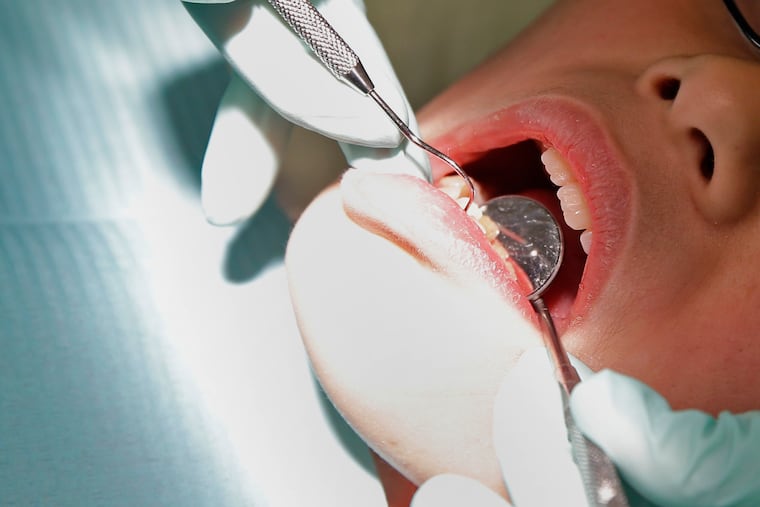
Just as he started to lose hope in late 2023, he learned about a Jefferson Health program in Willow Grove for veterans and first responders with traumatic brain injuries (TBIs). The clinic provides physical and cognitive rehabilitation to participants over a three-week intensive outpatient program.
Edgell is among the estimated one in four veterans who have had a TBI. More than half a million U.S. military members have been diagnosed with the injury since 2000, according to the Department of Defense.
Many suffer TBIs as a result of combat-related incidents, exposure to blasts during explosions, training accidents, and vehicle crashes.
While some patients can recover completely, up to 30% of those with mild TBIs, also commonly called concussions — which account for the vast majority of TBI cases — experience long-term symptoms.
The lasting effects of TBIs are often overlooked among veterans because of the injury’s invisibility. Yet they can be life-altering, affecting employment, personal relationships, and overall quality of life.
Veterans with a TBI had suicide rates 55% higher than veterans without the injury, one study found.
Jefferson’s program, called the MossRehab Institute for Brain Health, was founded in 2022 and has treated roughly 100 patients. It runs on donations — the biggest being from the veterans’ wellness nonprofit Avalon Action Alliance, which has provided $1.25 million annually.
Donations allow them to offer the program at no out-of-pocket cost to veterans and first responders, and cover housing, transportation, and meals during the three weeks.
“I walked in those doors at the lowest part of my life,” said Edgell, who participated in June 2024.
Though there’s no cure for his injury, the program has helped him rebuild his life.
“All you can do is learn to manage your symptoms,” he said.
The program
Edgell entered the MossRehab program in June 2024 as part of a cohort of four.
The first step in his rehab was learning about what was happening to his brain.
His accident occurred back in 1989, when a steel hatch swung shut and hit him in the back of the head during a training exercise at Fort Riley, Kan.
Doctors at the time provided memory exercises, mental health support, and physical rehabilitation to improve his gait, but nothing brought him back to baseline.
Edgell managed to push through his memory problems in college by putting in extra effort into studying, and ultimately became an electronics engineer.
However, it became harder to cope with the symptoms as he got older.
Even brief outings would exhaust him to the point of needing days to recover.
When his wife, Tami, would ask what she could do to help him, he wouldn’t know what to say.
One therapist at the program offered him a helpful analogy: If a normal brain is like a six-burner stove, then having a brain injury is like being down to only three burners.
“You’re trying to do everything with two or three burners that you would normally do with six, and your brain just becomes very fatigued and overwhelmed,” Edgell said.
The program teaches participants to adapt to their brain’s new way of functioning, whether through physical rehabilitation for symptoms such as dizziness, or cognitive rehabilitation to address issues affecting attention, concentration, memory, and mood.
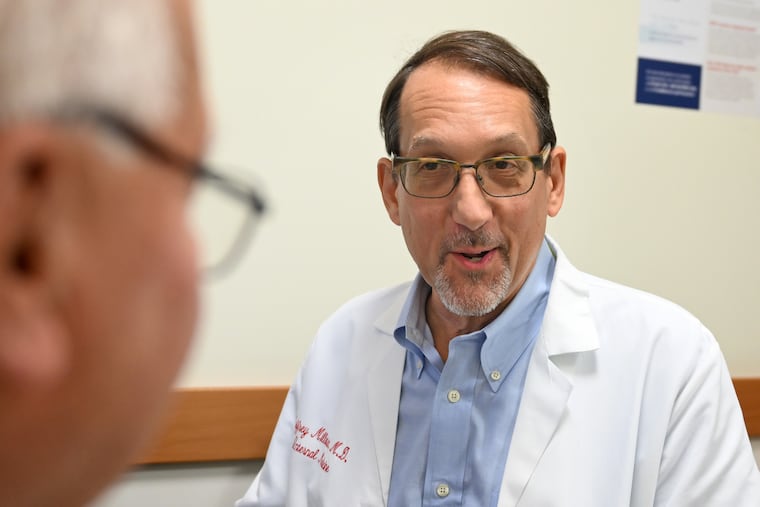
“We’re basically retraining the brain to do something that it’s having difficulty doing because of an injury,” said Yevgeniya Sergeyenko, a physical medicine & rehabilitation physician and clinical director of the program.
Since treatment for TBIs revolves around managing the symptoms — which can vary widely between patients — the program has staff across an array of specialties that patients see throughout their three-week stay.
One provider helped Edgell, who was struggling to get more than a few hours of sleep a night, find medication to help him sleep.
A physical therapist, meanwhile, assisted with his balance and core structure, so he could walk and move around more easily.
Others taught Edgell exercises to improve his dexterity, speech, and memory.
Some forms of therapy were less conventional.
There was horticultural therapy — a therapy that involves working with plants — which Sergeyenko said has been shown to lower blood pressure and is intended to help with emotional regulation.
Patients also did yoga and other mindfulness and movement activities intended to calm the nervous system.
Edgell said yoga wasn’t his favorite, but he found art therapy helped him communicate more openly.
One of the exercises at the start of the program asked him to draw a tree. He drew one that “was not doing very well,” he said.
At the end of the three weeks, he drew a lush version full of leaves. The framed drawing now hangs in his dining room.
“I look at that everyday to see where I came from,” he said.
Outcomes
Program organizers say returning to a pre-injury baseline is not always a realistic goal.
“There’s not a medicine that you can give that’s going to make all of your brain injury symptoms subside,” said Kate O’Rourke, the program director at the clinic.
The program aims to improve function and quality of life.
As of September, the last time outcome statistics were compiled, 82 patients had gone through the three-week intensive. Sixty-five percent saw significant reduction in their symptoms, as measured by their Neurobehavioral Symptom Inventory scores — which assesses a patient’s severity of neurobehavioral symptoms from 0 to 88. The average reduction was 13.26 points.
Ninety-nine percent of patients reported that they personally felt they improved after the program.
Edgell regularly reaches out to staff for advice, and meets with the program’s alumni in monthly conference calls.
He still has bad days sometimes, but he’s able to manage them better.
Before, when he would go to a grocery store or restaurant, he would become overwhelmed by the noise, lights, and commotion.
“I couldn’t catch my triggers before I fell off the cliff,” Edgell said.
He was only able to leave the house four to five times a month.
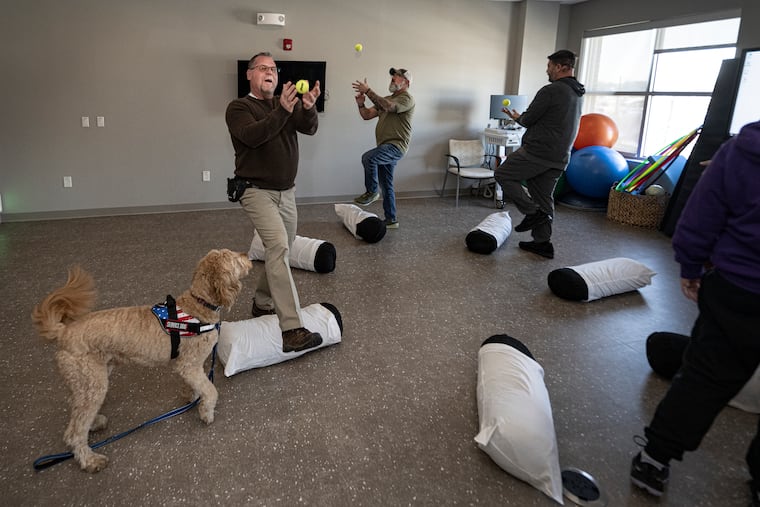
Working with a service dog at MossRehab inspired him to get one of his own.
Now, when he starts to react, a golden doodle named Lars will nudge him, giving him a moment to let his brain calm down.
Today, he’s able to leave the house more frequently and for longer.
He and his wife have reconnected with friends and engaged more in social activities.
“I still get tired, I still need breaks, but my recovery time is a lot faster, and it’s not nearly as devastating,” Edgell said.