The Trump administration is targeting ultra-processed foods. A Penn researcher explains why that might be complicated. | Q&A
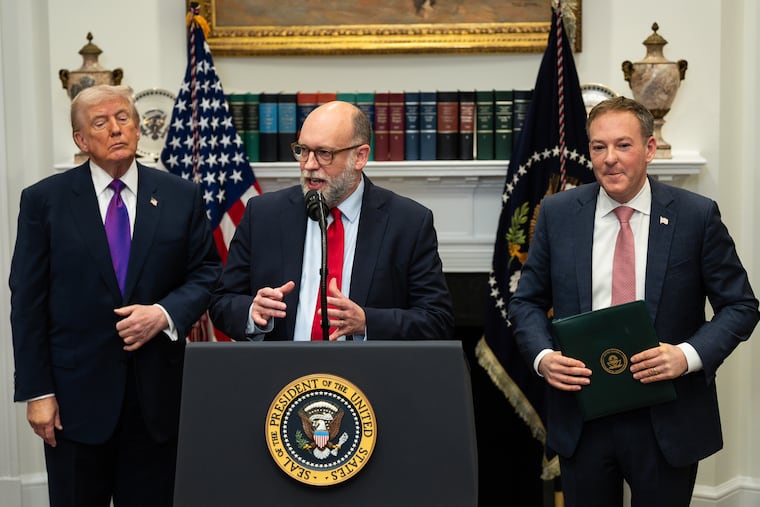
New dietary guidelines released by the Trump administration tell Americans to avoid ultra-processed foods but don't have an official definition for them.
On the same day President Donald Trump’s administration targeted ultra-processed foods in its new federal nutrition guidelines, Penn researcher Alyssa Moran published an academic journal article explaining why they’re hard to regulate.
For starters, there’s no consensus on how policymakers should define the term, she and two coauthors said in a Nature Medicine commentary piece. (The publication timing was a coincidence, but she welcomed the attention to an underestimated challenge.)
Ultra-processed foods are generally understood to be those with industrially produced ingredients not found in home cooking, but experts have long debated how best to classify the foods for regulation. The wording would need to encompass all the possible variations, without being so rigid that the industry finds loopholes.
The U.S. Food and Drug Administration and the Agriculture Department have said they are working on developing a federal definition to provide “increased transparency to consumers about the foods they eat.” It’s a key goal of the nation’s top health official, Robert F. Kennedy Jr., who blames ultra-processed foods for the United States’ “chronic disease epidemic.”
Roughly 60% of an American child’s daily calorie intake is estimated to come from ultra-processed foods, which comprise up to 70% of the U.S. food supply. Studies have linked their consumption to a higher risk of obesity, diabetes, cancer, heart disease, and other harms.
This is the first time U.S. dietary guidelines have explicitly called out ultra-processed foods, also called highly processed foods, and told Americans to limit consumption, Moran said. The guidance was part of a broader update by the Trump administration the first week of January that flipped the longstanding food pyramid on its head to promote consumption of whole foods, proteins, and some fats.
Though health experts questioned changes, such as the vague guidance on drinking alcohol, the crackdown on ultra-processed foods mirrors what many health organizations and consumer advocacy groups have been saying for years.
“I thought it was a bold move, and I was glad to see it,” she said.
Moran talked with The Inquirer about what people should know about ultra-processed foods and the challenges that remain in regulating the products.
This conversation has been lightly edited for length and clarity.
What are ultra-processed foods?
It’s a term that’s been used for decades and has been used, I think, interchangeably with ‘the Western diet’ or ‘junk foods’ or ‘highly processed foods.’
Most foods are processed in some form, whether it’s physical processing, like slicing fruit before you eat it, or adding some chemical preservatives to foods that increase food safety. What changes with ultra-processing is the intent of the processing.
With ultra-processing, the intent isn’t just to make the food safer or to extend shelf-life. It is to make it more cosmetically appealing and more likely to be overconsumed by individuals. They’re formulated in a way that makes them addictive, and they’re also aggressively marketed.
What does it mean to make a food ‘cosmetically appealing’?
It’s the overall sensation of eating the product.
Companies are manipulating levels of highly palatable ingredients like sugar, salt, and fat to be at levels that are not naturally occurring and that are extremely palatable to consumers.
They also add additives that enhance the naturally rewarding properties of things like sugar, salt, and fat. Some additives are added to food, for example, to mask a bitter flavor or prevent an aftertaste. They also add emulsifiers to change the mouth feel of a product. They pay attention to how the product sounds — even the crunch of a product when you’re chewing it — and add dyes to make them more visually appealing, especially to kids.
There are all kinds of strategies that can take advantage of all of the senses to make the product almost irresistible.
Why is there so much debate over how to define the products?
The current administration has talked more than any prior administration about potentially limiting the production, marketing and sale, and availability of ultra-processed products. So, to be able to formulate policy to limit intake of these products, we have to be able to identify them.
Many people have proposed going down the route of defining ultra-processed foods according to a list of additives. And there are many reasons why I don’t think that’s a good approach.
What are the reasons?
We need to really be thinking about how companies are going to respond to whatever definition we create.
If we use a list of specific additives that makes something ultra-processed, companies are going to look at that list and they’re going to say, ‘How can we get around this. How can we skirt regulation?’ They’re either going to increase their use of additives that exist already but aren’t on that list, or they’re going to create new additives with very similar structures and functions as the existing additives.
We see this happen all the time with commercially regulated products. When policies tax sugar, we see that companies increase their use of non-nutritive sweeteners, so the food supply is just as sweet, if not more. When Red Dye No. 2 was banned (in 1976), companies created Red Dye No. 3, which is almost identical and was also banned (in 2025), but 50 years later.
Plus, we have hundreds of thousands of products on the marketplace and there are constantly new ones being added. And currently under FDA policy, companies don’t even need to notify the FDA when they add new ingredients to the food supply. So we don’t even have a complete list of every single additive in the food supply right now.
What approach did you propose in your Nature article on this topic?
Right now, it has been proposed to use a list of ingredients that would make a food ultra-processed. Everything else is non-ultra-processed.
Our recommendation is really to flip that.
We would say, ‘Here are all of the ingredients that make a food non-ultra-processed. Everything else is ultra-processed.’
There are very few additives that make a food non-ultra-processed. The purpose (of the additive) would have to be for food safety or preservation, and that’s one reason why this is also a much simpler approach. Our approach is saying, for example, your yogurt is considered non-ultra-processed if it contains things like milk, live cultures, fruit, nuts, seeds, and honey, as well as some preservatives, vitamins, and minerals.
If it has anything else, it’s an ultra-processed food and is in scope for regulation. Then, if companies introduce new additives, they’ll still be considered ultra-processed because they still fall into the ‘everything else’ bucket.
Are there any other challenges that you see in terms of regulating the industry?
The biggest one is the pushback from the food industry. They spend a lot of money fighting against policies to regulate production, marketing, and sale. We see it with sweet and beverage taxes that have been enacted in Philadelphia and other places. We see it with front-of-package labeling, which the FDA had been trying to pass.
The lack of resources at our federal agencies is another barrier. This administration, early on, really dismantled the FDA, which I think would be the main regulatory body involved in creating this definition and potentially developing policy to regulate these products.
If we don’t have people at those agencies, and they don’t have the resources they need to do their work, you could have a law on the books, but it’s not going to go anywhere.
What are your tips for consumers?
Shop on the grocery store perimeter and avoid the center aisles. Avoid ingredients that aren’t familiar to you.
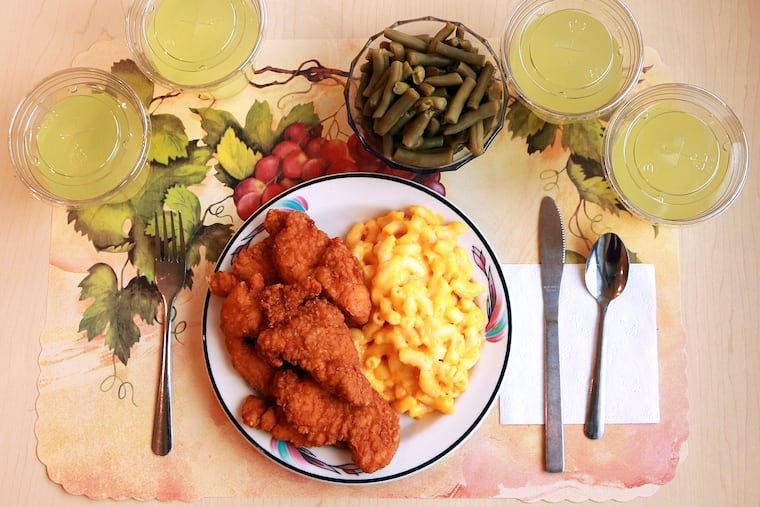
Classic examples of ultra-processed foods are box macaroni and cheese, many frozen pizzas or frozen prepared meals, and many boxed cookies, candies, cakes, and packaged foods.
I would never tell consumers in this environment that you have to avoid every single ultra-processed food to be healthy. These products are everywhere. They’re cheap. They’re super convenient. Many people don’t have access to minimally processed whole foods.
That’s why I think policy is so important — policies that both put limits on ultra-processed foods, but also promote and incentivize the production and sale and marketing of non-ultra-processed products.