More parents are declining the vitamin K shot for newborns, CHOP study finds
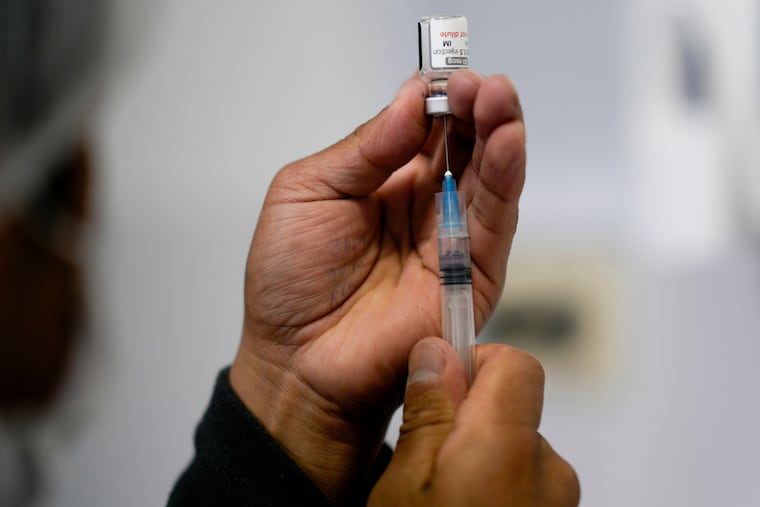
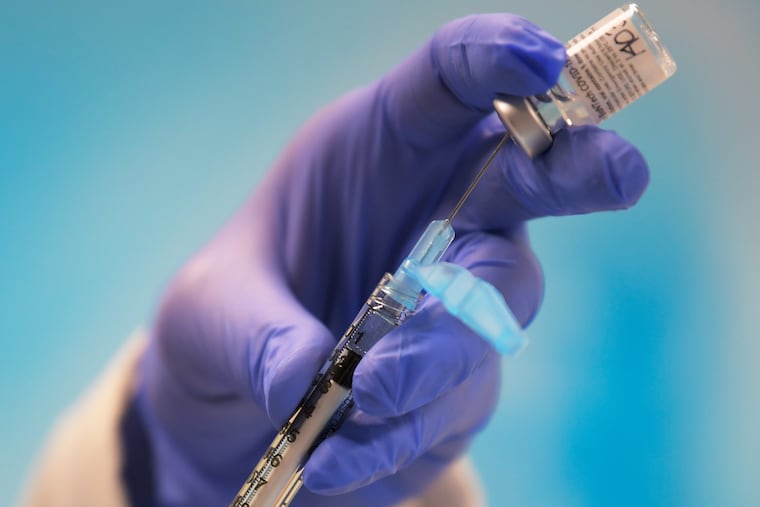
The shot has been recommended for newborns since 1961 to prevent dangerous bleeding associated with a lack of vitamin K.
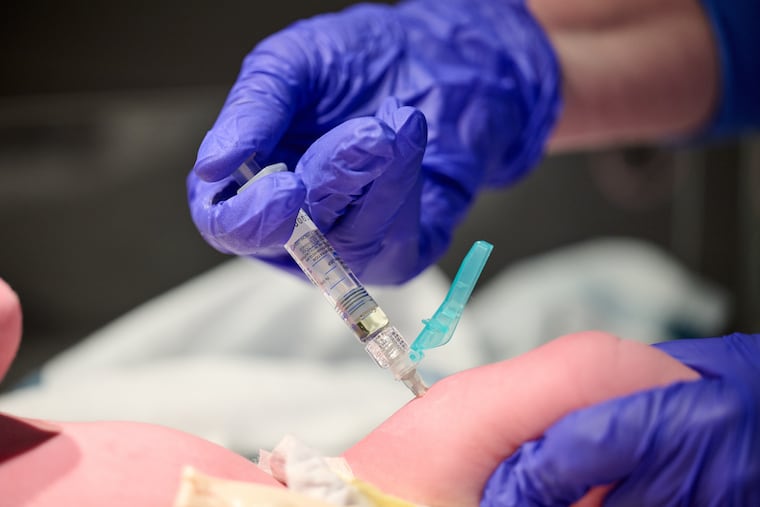
Kristan Scott and colleagues treating babies at Children’s Hospital of Philadelphia were increasingly concerned about parents declining a vitamin K shot recommended for newborns.
When they analyzed a national database of electronic health records, they found that the percentage of newborns not receiving the shot rose from 2.92% to 5.18% between 2017 and 2024. Their study, appearing in the Journal of the American Medical Association (JAMA) earlier this year, included data for more than 5 million newborns across all 50 states and the District of Columbia.
“It wasn’t just a subtle trend,” said Scott, a neonatologist and lead author on the study.
The shot has been recommended by the American Academy of Pediatrics since 1961 to prevent bleeding and potentially fatal strokes associated with a lack of vitamin K. It’s given as a single dose, typically immediately after birth.
Adults primarily get vitamin K from dietary sources, such as leafy greens. However, babies tend to be born with low levels of the nutrient because it is not easily passed from mother to baby.
“Vitamin K is very important for helping the blood clot, and when the blood can’t clot, we see bleeding,” Scott said.
Vitamin K deficiency in newborns can result in bleeding that ranges from oozing at the belly button to severe brain hemorrhages or strokes.
The uptick in refusals of vitamin K shots comes at a time when polls show many parents are uncertain about routine vaccines and other childhood interventions. Over the past year, discord between medical professional societies and the Centers for Disease Control and Prevention under Health Secretary Robert F. Kennedy Jr.’s leadership has created more distrust and confusion for families.
Regarding vitamin K shots for newborns, decades of research have shown the intervention to be safe and effective.
“We find ourselves as pediatric providers in a challenging position to use the evidence base that we know and stand by to help these parents navigate through false information,” Scott said.
» READ MORE: Expert Opinion: Say yes to giving your baby a vitamin K shot right after birth.
Vitamin K shot refusals were rising before the coronavirus pandemic’s onset in 2020, researchers found, but the pandemic “exacerbated any kind of underlying mistrust or distrust of medicine,” Scott said.
The study lacked data on reasons for newborns not receiving the shot, but he’s heard anecdotally about parents questioning whether there were harmful ingredients in the shot (research shows the shots are safe). Others have wanted to avoid pain from the injection.
Over the entire study period, 3.92% of the 5 million newborns did not receive the shot.
That percentage was slightly higher among white families and those who listed “other/unknown” for their race/ethnicity — 4.3% for white mothers, compared to 2.6% for Native Hawaiian or other Pacific Islander mothers.
Vaginal birth was also linked to a higher rate of not receiving the injection, with a rate of 4.2% compared to 3.2% for those born via c-section.
More qualitative research is needed to understand families’ reasons for refusal, Scott said.
The study did not include premature babies born before 35 weeks gestation because they might show a different trend due to different health needs, Scott said.
It also did not account for births outside the hospital. Previous research has shown that families that give birth at home are less likely to have the vitamin K shot administered, Scott said. This means the rate found in the study could be an underestimate.
For his next research, he will look at whether the increase in refusals is also linked to an increase in bleeding.
After his study was published, many doctors reached out to him, saying they anecdotally have seen more bleeding among babies.
“We don’t want to see a potential rise in babies getting hurt or dying from vitamin K deficiency bleeding, when there’s a clear preventive measure,” Scott said.