Can voting make you live longer? This Penn researcher found health benefits in civic engagement
Older adults who voted had a lower risk of dying than those who didn’t — even 15 years later. Voting could be connected to a sense of purpose, community, and care for others around you.
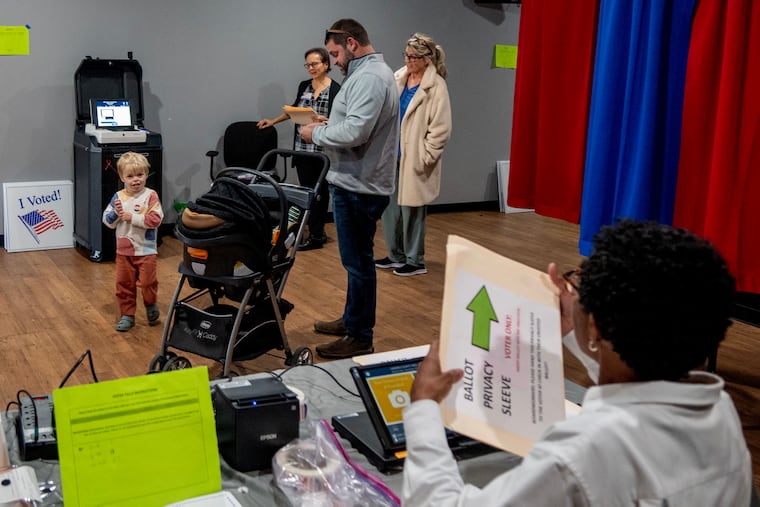
Casting a vote is vital for democracy — and also a habit linked to better health, new Penn research shows.
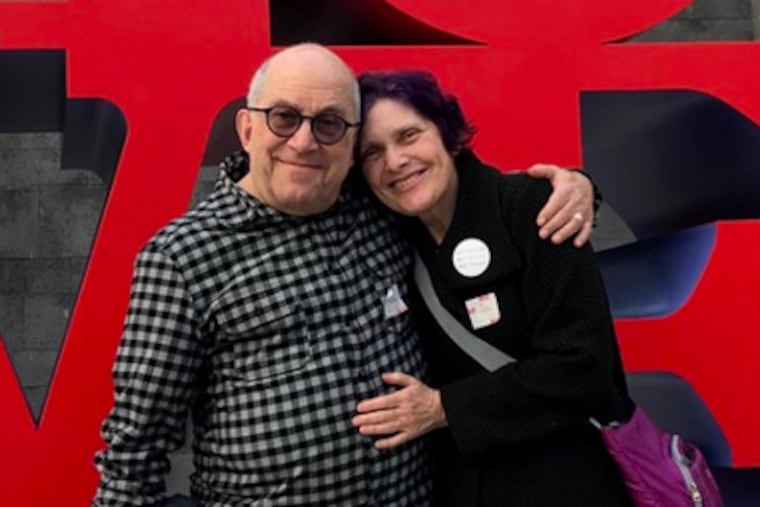
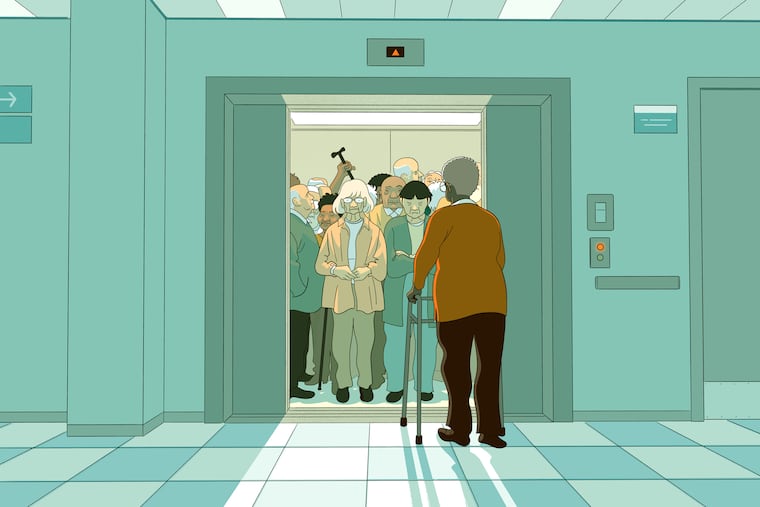
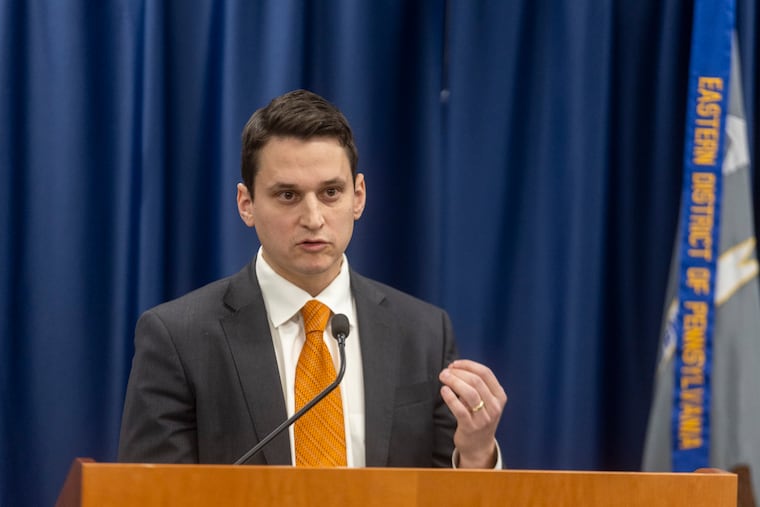
Older adults who voted had a lower risk of dying than those who didn’t, University of Pennsylvania researcher Femida Handy found in a study published this month in the Journals of Gerontology. Those who voted in the 2008 presidential election had a 45% lower mortality risk after five years, 37% lower risk after 10 years, and 29% lower risk after 15 years.
That was based on a sample drawn from 7,708 Wisconsin residents who graduated high school in 1957, making them around 69 in 2008.
“It’s not because of their health; it’s not because of their education; it’s not because they’re rich or poor,” said Handy, a professor in Penn’s School of Social Policy and Practice.
The researchers controlled for differences in socioeconomic status, political affiliation, civic engagement, and health, which could also impact outcomes.
Their findings add to a growing body of research linking voting and health. In 2022, the American Medical Association named voting a social determinant of health and called for measures that facilitate equitable access as a “harm-reduction strategy.” Recent research from Finland found that voting was a stronger predictor of mortality than education level.
Handy cautioned that her study, which was observational in nature, can establish association but not causation. The latter would usually require a randomized controlled trial.
“Like all social sciences, we don’t know the actual mechanism,” she said.
But she has theories.
Voting could be connected to a sense of purpose, community, and care for others around you. These are things that have been shown to increase people’s well-being and lower their risk of dying.
» READ MORE: The 2026 Pa. Primary Voter Guide
“An extremely altruistic act”
Handy and her study co-author, Sara Konrath at Indiana University, had previously researched the health benefits of behaviors like volunteering and donating.
They wondered if voting could also have an impact.
People voluntarily undertake the effort, time, and cost to vote, knowing that their single ballot is unlikely to change an electoral outcome.
Voting is ”an extremely altruistic act,” Handy said.
The researchers used data from the Wisconsin Longitudinal Study, which has tracked 1957 Wisconsin high school graduates for decades.
They found a lower risk of mortality among those who voted, regardless of their political affiliation.
“It doesn’t matter who you vote for,” Handy said.
And how people voted barely made a difference. Voting in person was linked to a 46% reduced risk of dying after five years, while remote voting was linked to a 42% reduction.
Handy aims to replicate the study in different countries and cultures. She also seeks to explain why people who vote live longer.
The study’s publication coincided with the Pennsylvania primary elections on Tuesday. Handy urges the public to get out and vote.
“Caring for your community, going out to vote, really, in the end, benefits you personally,” she said.