American Swedish Historical Museum aims to tackle $2.8 million in improvements as it turns 100
The executive director of the museum located in FDR Park said the nonprofit’s board was focusing on projects that provide equitable and safe access.
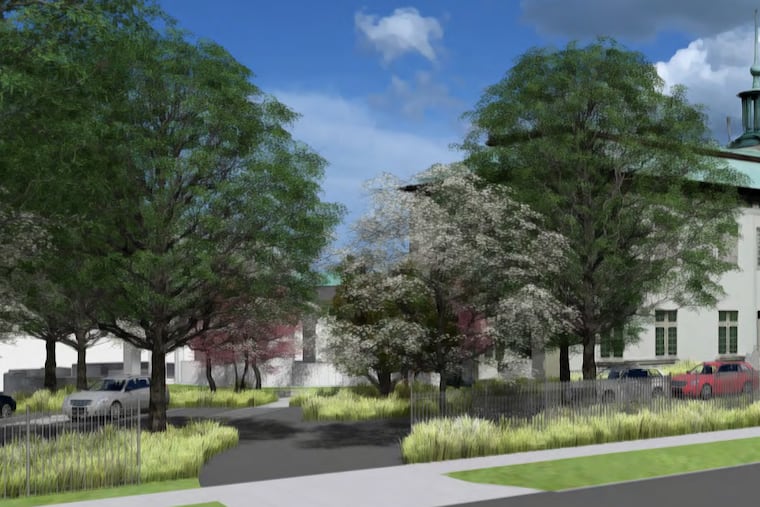
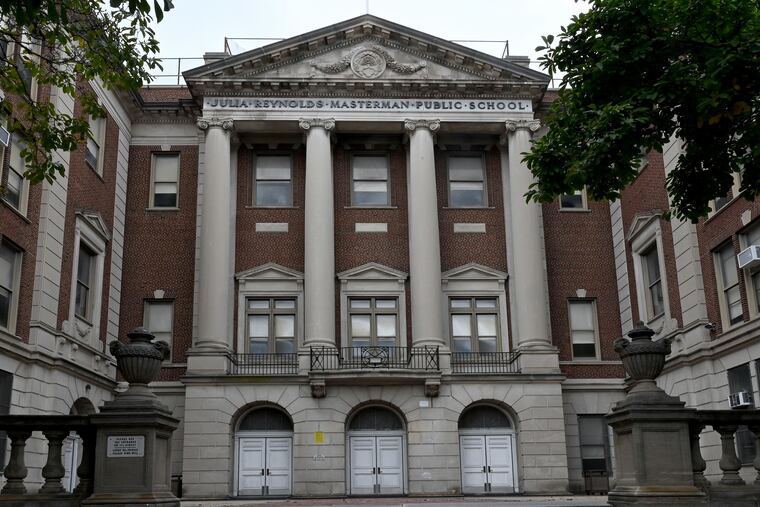
The American Swedish Historical Museum in South Philadelphia’s FDR Park could be getting some exterior upgrades, including a new auxiliary building for storage, for its 100th anniversary.
Museum staff appeared Tuesday before one of the Philadelphia Historical Commission’s advisory committees seeking input and support for a new ADA ramp, parking area, plaza, pedestrian paths, and lighting for the grounds of the property, as well as the additional building.
The nonprofit’s board has chosen to focus on projects that provide equitable and safe access to the building for its centennial, said Tracey Beck, the executive director of the museum, the oldest Swedish museum in the nation.
“We do serve a lot of families with small children and senior citizens, and therefore things like the 25 steps leading up to our front door create a real barrier for a lot of people,” Beck told members of the architectural committee that met Tuesday.

- The Delaware River was once lined with Swedish settlements and trading posts in what was known as the New Sweden Colony.
- Amandus Johnson, the museum's founder and force behind its construction, chose Philadelphia as the project's home because of those historic ties.
- Swedish-American architect John Nydén would go on to model the museum after a 17th-century Swedish manor.
- The museum was constructed in 1926 as one of the major projects part of the sesquicentennial at FDR Park, though its official grand opening did not take place until 1938.
The museum sits on the northern edge of the park, facing Pattison Avenue, which is an advantage but comes with some logistical hurdles, including park parking that can be easily gobbled up during 5Ks and other events hosted at FDR.
The small 10-spot parking area that would be located on the Pattison Avenue side of the building would ensure the museum would always have parking available, no matter what is going on in the rest of the park, said Brittany Scherer with Studio Sustena, the design lead on the project. A one-way vehicular entrance drive illustrated in plans submitted to the committee also aims to create an accessible drop-off. New plantings would make the street-facing side of the building more inviting to those driving by.
The building is already accessible, with two handicap parking spaces and an elevator installed in the early aughts, Beck told The Inquirer. Still, she said, the pandemic highlighted the need for better connectivity between the museum’s indoor and outdoor spaces during events.
The new ADA ramp would be located on the side of the building that faces the park, which serves as the main entrance, creating a connection between the museum’s interior and its terrace, where events are held. The addition would save visitors with limited mobility from having to navigate half the building’s footprint in order to reach the existing ramp.
Other improvements are more practical. The lighting aims to make the museum more visible to passersby and drivers at night, while the added building would store large and heavy items, such as tables and chairs for outdoor programming.
Members of the advisory committee were largely receptive to the improvements, unanimously approving all but two that required tweaks — the auxiliary building and the ramps — for design reasons.
Committee members raised concerns over placement of the added storage building and how close it would be to the museum. They also thought the design was too eye-catching, possibly leading people to believe it was a welcome center or bathrooms.
“I want it to disappear a little more,” said committee member Justin Detwiler.
Another member disagreed with the use of acrylic panels meant to provide more protection for children along the proposed ADA ramp. Committee members worried that panels would scratch and become unsightly in the future, suggesting a simple ramp or other changes to eliminate the need for panels.
Those tweaks should be simple enough to incorporate in time for a July 10 meeting of the full commission, Beck said.
Because the museum is still in the early stages of fundraising and awaiting conceptual approval, there is no firm timeline for the projects, budgeted to run about $2.8 million.
The museum’s proposed improvements come as the rest of the park continues a $250 million, once-in-a-generation overhaul.