Clintons finalize agreement to testify in House Epstein probe, bowing to threat of contempt vote
Former President Bill Clinton and former Secretary of State Hillary Clinton have finalized an agreement with House Republicans to testify this month in a House investigation into Jeffrey Epstein
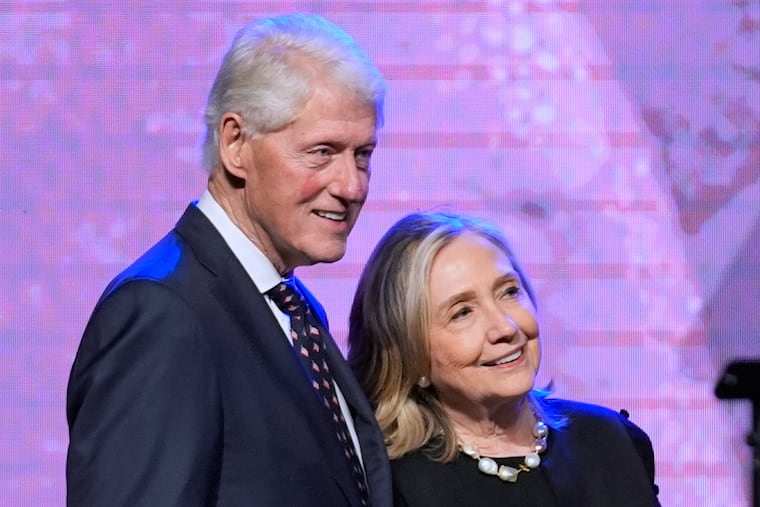
WASHINGTON — Former President Bill Clinton and former Secretary of State Hillary Clinton finalized an agreement with House Republicans Tuesday to testify in a House investigation into Jeffrey Epstein this month, bowing to the threat of a contempt of Congress vote against them.
Hillary Clinton will testify before the House Oversight Committee on Feb. 26 and Bill Clinton will appear on Feb. 27. It will mark the first time that lawmakers have compelled a former president to testify.
The arrangement comes after months of negotiating between the two sides as Republicans sought to make the Clintons a focal point in a House committee’s investigation into Epstein, a convicted sex offender who killed himself in a New York jail cell in 2019.
The Clintons resisted the subpoenas, but House Republicans — with support from a few Democrats — had advanced criminal contempt of Congress charges to a potential vote this week. It threatened the Clintons with the potential for substantial fines and even prison time if they had been convicted.
Even as the Clintons bowed to that pressure, the negotiating between GOP lawmakers and attorneys for the Clintons was marked by distrust as they wrangled over the details of the deposition. The belligerence is likely to only grow as Republicans relish the opportunity to grill longtime political foes under oath.
Clinton, like a number of other high-powered men, had a well-documented relationship with Epstein in the late 1990s and early 2000s. He has not been accused of wrongdoing in his interactions with the late financier.
The Clintons have remained highly critical of Comer’s decision, saying he was bringing politics into the investigation while failing to hold the Trump administration accountable for delays in producing the Department of Justice’s case files on Epstein.
Still, the prospect of a vote raised the potential for Congress to use one of its most severe punishments against a former president for the first time. Historically, Congress has given deference to former presidents. None has ever been forced to testify before lawmakers, although a few have voluntarily done so.