FDR Park will be paid parking only for Eagles home games, but this isn’t new, despite SEPTA woes
Parks and Rec says the paid parking model has been in place since 2004.
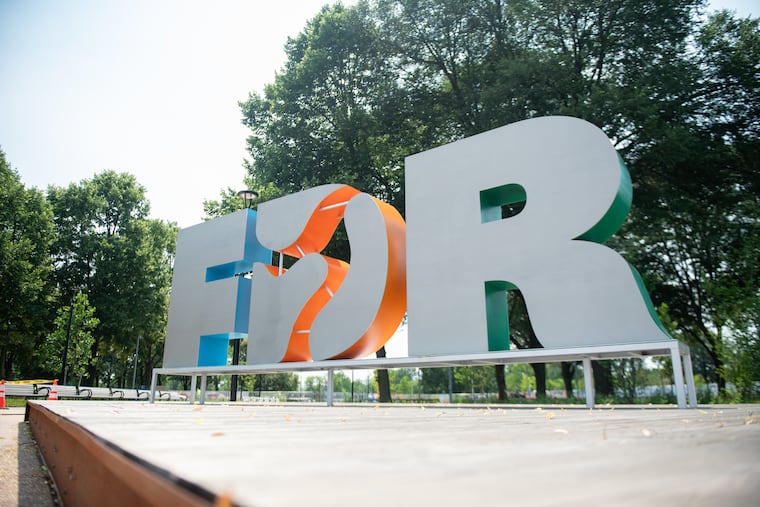
Three days before SEPTA implemented 20% service cuts across the system, Friends of FDR Park took to its Facebook page to remind people that the 348-acre space will be “paid parking only on Eagles home game days.”
Dozens of people sounded off in the comments, thinking it was a new initiative.
“Somebody’s going to [be] making bank off the SEPTA funding crisis,” one individual wrote.
Another called it a “money grab,” and a third said it was “not cool” for FDR Park to “start charging people to park” just as SEPTA trains are slated to stop running after 9 p.m. come January, unless the state legislature intervenes with more funding.
The decision to charge for parking during Eagles home games, however, is not part of the fallout, according to Philadelphia Parks and Recreation. Spokesperson Ra’Chelle Rogers said FDR Park has been charging for parking during Eagles home games since 2004.
“We started charging because fans parking on the grass, in bike lanes, and throughout the park caused significant wear and tear,” she said in an email. “Paid parking helps manage traffic and protect the park.”
Still, riders are understandably on edge as thousands of people experience the fallout of SEPTA’s $213 million operating budget deficit. In the first round of cuts, 32 bus routes were eliminated and 16 others were shortened. Now, students are facing longer morning commutes and workers are resorting to rideshares to clock in on time.
Rogers said the pay-to-park model has been implemented only for Eagles games thus far, yielding about $250,000 annually for maintenance and improvements of the park. The department has no plans to charge for Phillies or Sixers games, which don’t tend to attract tailgaters at the same volume or lead to as much refuse.
Cars are charged $30 to park and oversize vehicles are charged $90. The Eagles game rates at the Linc are $50 for regular cars and $100 for oversize cars. Entrances are managed by parks department staff and Metropolis, a vendor the city contracts with. Exceptions are made for people attending park programming, such as games and fishing, though the department encourages other park users to ditch the car or come during less busy times to avoid the fees. Parking becomes free again after the game is over.
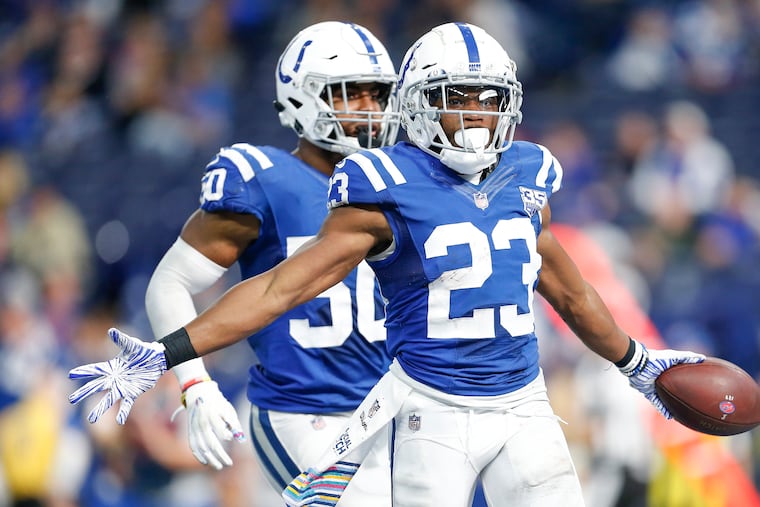
The reminder about such a setup comes at a time when more Eagles fans are expected to drive to Lincoln Financial Field during home games and those people might be looking for ways to avoid fees and bottlenecks at the various parking lots by the stadiums.
Up to 17,000 Eagles fans use SEPTA to get to the Linc, according to the transit agency. In the past, SEPTA has run 10 additional Broad Street Line express trains to accommodate the surge of riders getting to various tailgates and games. SEPTA similarly offered additional service for fans heading home, which tends to happen in a shorter window. But as of Sunday, the extra trains have stopped.
The austerity measures do not end there. Fares go from $2.50 to $2.90 on Monday, and come January, without a deal in Harrisburg, all rail service will end at 9 p.m.
The first test of how Eagles home game attendees will adjust will take place next Thursday after the Eagles play the Dallas Cowboys, which also happens to have an 8:20 p.m. kickoff.
Depending on how late the game lets out, fans might still be able to catch the final three or four Broad Street Line trains of the night, which will come at their regularly scheduled time, according to SEPTA spokesperson Andrew Busch.
The last train is slated to leave NRG Station at 12:15 a.m.