In unprecedented move, NASA cuts short space mission over astronaut’s health
For the first time in the International Space Station’s history, NASA said it was cutting short a crew mission after an astronaut “experienced a medical situation.”
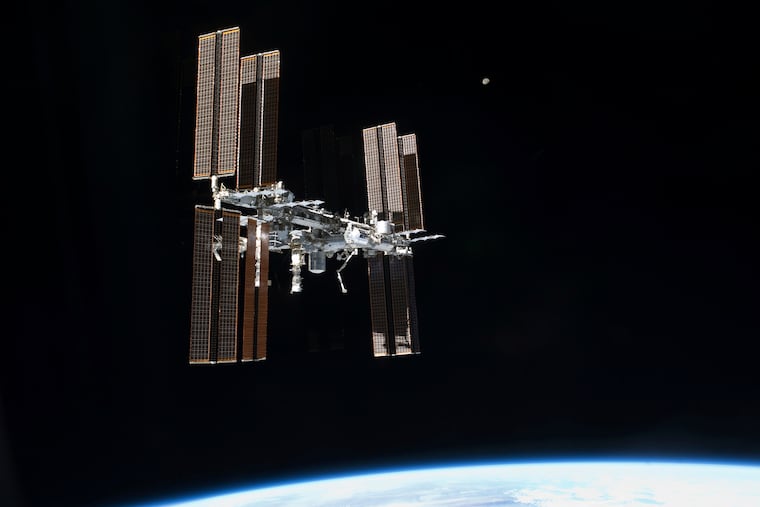
For the first time in the International Space Station’s history, NASA said it was cutting short a crew mission after an astronaut “experienced a medical situation.”
“It’s in the best interests of our astronauts to return Crew-11 ahead of their planned departure,” NASA Administrator Jared Isaacman told reporters at a news conference Thursday, without naming the astronaut or specifying what the problem was.
The four-person Crew-11 is made up of U.S. astronauts Zena Cardman and Mike Fincke, along with Japan’s Kimiya Yui and Russia’s Oleg Platonov. Together, they have spent about five months aboard the space station and had planned to stay until mid-February.
On Wednesday, they were conducting scientific research, ahead of a planned space walk, when one of the astronauts had a medical issue that required help from the other crew members and onboard medical equipment, NASA officials said.
“The astronaut is absolutely stable. This is not an emergent evacuation,” said NASA’s Chief Health and Medical Officer, J.D. Polk.
He said the issue also did not reflect a problem with the space station environment and “was not an injury that occurred in the pursuit of operations.”
Although the Space Station has medical equipment onboard, he said the issue was sufficient to warrant bringing the astronaut back for a full work-up and diagnosis at a facility with more extensive hardware and without the challenges of working in microgravity.
“Always we err on the side of the astronaut’s health and welfare. And in this particular case, we are doing the same,” he said.
The crew will return to Earth in the “coming days,” Isaacman said, with plans for a parachute-assisted splashdown off the coast of California. And because of that early departure, Crew-12, which had been scheduled to take over in mid-February, could be deployed earlier.
“This is exactly what our astronauts train and prepare for,” he added.
Crew members live and work aboard the International Space Station, orbiting Earth 16 times a day. Run as an international partnership by five space agencies, the station has had more than 290 visitors representing 26 countries since it was assembled in 1998.