FIFA is under investigation for World Cup ticket pricing by N.Y. and N.J. attorneys general
New Jersey Attorney General Jennifer Davenport and New York Attorney General Letitia James are investigating FIFA for its confusing and costly ticketing practices for the World Cup.
The 2026 World Cup is shaping up to be one of the most expensive tournaments for fans in its history, and two state attorneys general want answers as to why.
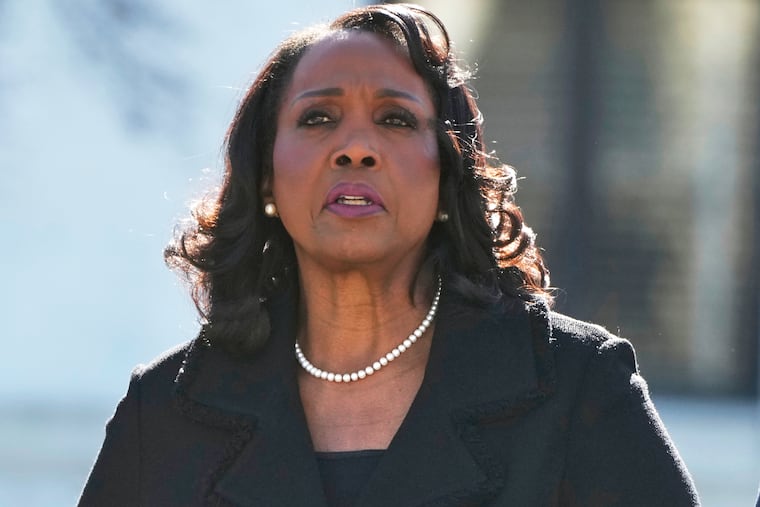
New Jersey Attorney General Jennifer Davenport and New York Attorney General Letitia James announced Wednesday that their offices were investigating FIFA for its World Cup ticketing practices that have driven up costs for fans.
Subpoenas were sent Wednesday to FIFA requesting information about its ticketing practices, and including details on how the soccer governing body sold tickets for the eight matches hosted in New Jersey, including the World Cup final on July 19.
The attorneys general point to reports that allege fans may have been misled about the locations of the seats they bought and that FIFA’s public statements and method of releasing tickets may have contributed to skyrocketing prices, officials said.
The investigation will be one of the first major governmental pushbacks on the global soccer body this tournament.
Whether Pennsylvania’s Attorney General Dave Sunday will join this investigation or take similar action is unclear. Sunday’s office did not return a request for comment.
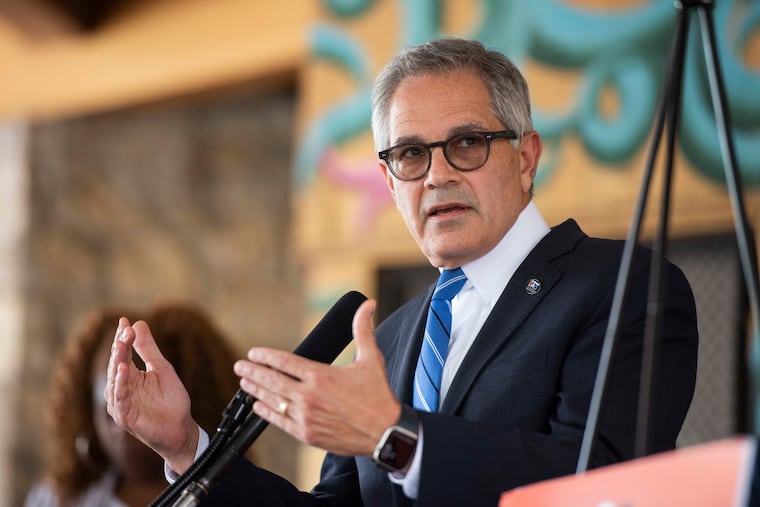
“Being honest about ticket sales is not complicated. But FIFA has turned buying a ticket to the World Cup into a gauntlet of confusion, fake scarcity, and impossibly high prices — all at the expense of consumers and hardworking New Jerseyans,” Davenport said.
In one reported incident that raised flags with the attorneys general, FIFA sold tickets using a seat map divided into four zones. But, after many fans bought tickets, FIFA created new zones that offered the best seats in each of the original categories.
Those prices were much higher than the original costs, the attorneys general said. Fans who bought tickets when only the original zones were available were excluded from the best seats.
Some fans even reported not receiving the tickets in the zone they paid for. According to the attorneys general, these fans paid for tickets close to the field, yet were assigned seats further back.
“No one should be manipulated into paying sky-high prices for seats, and fans should be able to trust that the tickets they purchase will be the ones they receive,” said Attorney General James.
James and Davenport will also look into FIFA’s ticket prices overall as they say prices far exceed those of previous World Cups in other countries. Using “variable pricing” to adjust prices based on demand, FIFA raised ticket prices for more than 90 of the 104 matches, with a 34% increase on average.
“New Jersey is excited to host the World Cup and welcome fans from across the globe. But no one should be allowed to exploit New Jersey fans or those coming to our state,” New Jersey Gov. Mikie Sherrill said in a statement. “I applaud Attorneys General Davenport and James for standing up on behalf of consumers and investigating whether they have been misled.”
This year’s World Cup has been mired in negative fan reaction due to its exorbitant prices. Some cities, like Philadelphia, are offering freebies and discounted services to help alleviate some of the cost, like SEPTA offering free subway rides after World Cup matches or New York Mayor Zohran Mamdani securing $50 tickets for some New Yorkers.