Immigrant arrests surge to 10,000 in 5 days as ICE clamps down
Many ICE agents are working seven days a week as arrests are spread across the country, as opposed to the earlier strategy of surges in single cities.
WASHINGTON — Federal immigration officials have detained more than 10,000 people in the five days ending Thursday, a major surge that has stemmed from a push within Immigration and Customs Enforcement to increase arrest rates.
Agency leaders in recent days ordered top ICE officials to focus more of their officers’ efforts on picking up immigrants they want to deport, according to documents obtained by the New York Times and interviews with federal officials. ICE officers have arrested people at check-ins, with immigration authorities, during traffic stops, and on the street. The push has apparently yielded results, with recent arrest numbers roughly doubling from the 1,000 picked up each day earlier this year.
ICE officials were told that the White House wanted an increase in arrests, according to three officials with knowledge of the conversations. One of the officials said that it was unclear how long the pace could continue, but that ICE officials had been told that 2,000 arrests a day was the new standard for enforcement.
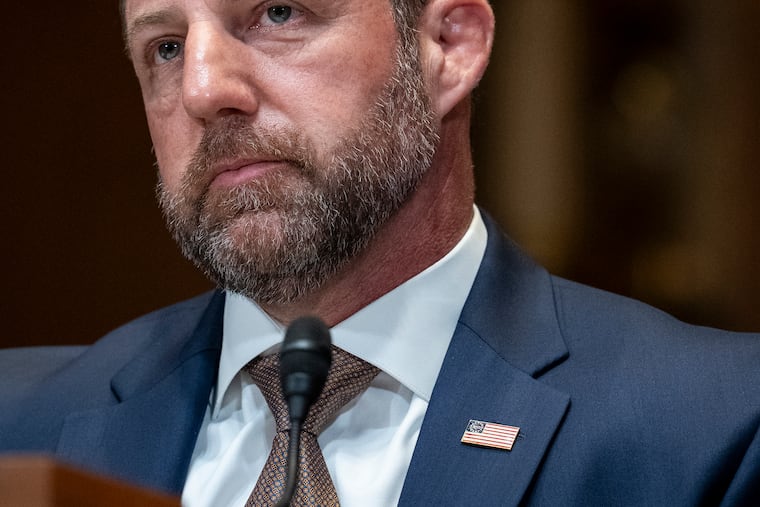
The surge has occurred without the fanfare of highly visible operations last year, in which officials announced their intentions ahead of time to target cities, including Chicago and Los Angeles, and send officers pouring into the streets. Markwayne Mullin, the homeland security secretary, pledged to mount a quieter enforcement campaign following the chaos of a monthlong operation in Minnesota, where federal officers killed two U.S. citizens.
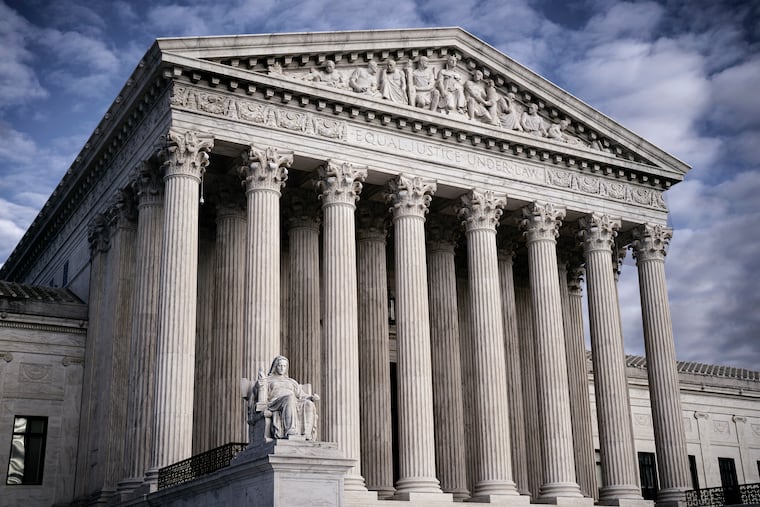
The rise in arrests suggests that President Donald Trump is determined to meet his pledge of mass deportations, a goal that is popular among his conservative supporters but that has fueled a political backlash amid the administration’s heavy-handed tactics. The Trump administration has promised more aggressive actions, particularly after the Supreme Court in recent days expanded the president’s power to set federal immigration policy, but undercut his effort to eliminate birthright citizenship for the children of immigrants in the country illegally and visitors.
“Our message is clear: If you come to our country illegally, we will find you, we will arrest you, and we will deport you,” Lauren Bis, a Department of Homeland Security spokesperson, said in a statement.
Word of an uptick in arrests has started to trickle out, sowing fear in immigrant communities and among advocates already on edge after the Supreme Court ruled that Trump could end deportation protections for people from disaster- and war-torn countries under the Temporary Protected Status program.
In recent days, ICE officers have launched an intense push to ramp up arrests. Arrests topped out Saturday when authorities detained more than 2,400 people, according to documents obtained by the Times. The detention population inside ICE facilities has jumped nearly 4,000, to more than 63,000 in the agency’s custody as of Tuesday, according to internal documents.
In emails to ICE personnel, agency leaders applauded the latest numbers.
“I want to personally thank each of you for your extraordinary efforts this past weekend,” Marcos Charles, the head of ICE’s deportation wing, wrote this week. “Through your dedication, professionalism, and unwavering commitment to our mission, enforcement and removal operations achieved remarkable operational results.”
Top ICE officials were told to make sure that as many officers as possible were working seven days a week, and to put 80% of their officers on arrest operations, according to two U.S. officials who spoke on the condition of anonymity to discuss internal conversations. Top supervisors were expected to be working closely on the operations as well.
Last year, Stephen Miller, Trump’s deputy chief of staff, set a goal of 3,000 arrests a day for the agency, a figure it was not able to hit. Since then, the agency has hired thousands of new officers and has had its budget increased by billions of dollars for the enforcement surge.
Across the country, immigration lawyers and advocates have reported an uptick in enforcement.
In South Texas, Sister Letty Ugboaja, a Nigerian nun, was arrested on her way to church on Sunday morning, according to Sister Norma Pimentel, her colleague. Ugboaja is a local nurse who also helps at a parish in the region. Pimentel called local leaders after learning of the arrest, and congressional officials soon got involved and pushed for her release.
On Sunday, she was let go from ICE custody, and Pimentel was there to greet her.
Pimentel said that Ugboaja was distraught upon her release.
“It took her awhile to be able to talk — she was crying,” she said.
In southern Florida, attorneys have been on alert. Cindy Blandon, an immigration attorney in Miami, said that one of her clients, a Nicaraguan father of two children, had an immigration court hearing set for 2027, but was arrested by ICE on Monday during a routine check-in.
And in Utah, Ysabel Lonazco, an immigration attorney, has noticed an uptick as well. She has spoken to several clients, including a man who was driving when he was picked up by the agency for overstaying his visa this weekend.
“It sets further fear in the community,” she said. “People don’t want to leave their houses. They are afraid to drive to do their grocery shopping. They are just terrified with these detentions.”
One of her clients, Arturo, a 48-year-old Mexican man, was arrested in Salt Lake City on his way to a soccer game Sunday, according to his wife, Veronica. She said the arrest had shattered their family.
“They’re getting people — be very careful,” her husband told her from ICE detention, she recalled through an interpreter. She said her 13-year-old son was traumatized by the arrest of his father, who had worked most days of the week building furniture before his arrest, she added.
A Department of Homeland Security spokesperson said that Arturo had illegally reentered the United States and would be held in ICE custody as the agency sought to deport him.
Veronica said the family had not expected to be caught up in Trump’s deportation sweep.
“We were worried, but it wasn’t like we were extremely worried. We figured — we don’t have any criminal record, we pay taxes every year,” she said.
This article originally appeared in the New York Times.