Trump sends tougher terms to Iran for peace framework, officials say
The president has been concerned about parts of the potential deal that would unfreeze funds for the Iranians, officials say.
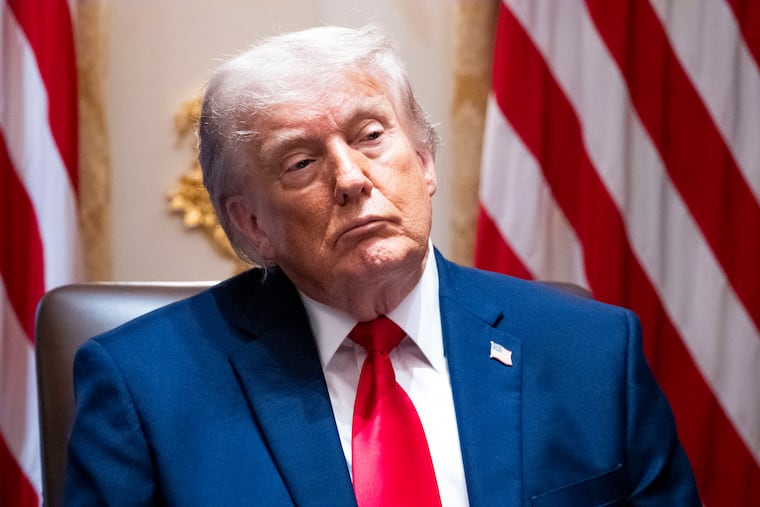
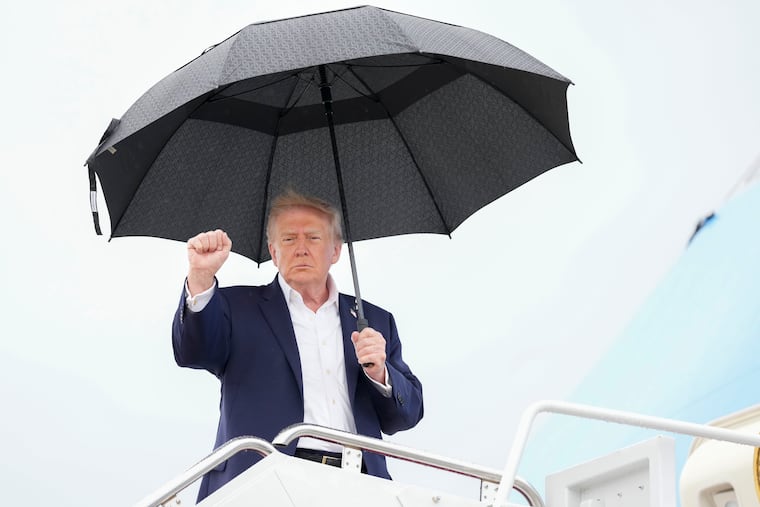
WASHINGTON — President Donald Trump has toughened the terms of a potential framework for a deal to end the war in Iran, and has sent those proposed changes back to Iran for consideration, according to three officials.
It was not immediately clear what changes had been made to the text of the agreement.
Trump has been concerned about parts of the potential deal that would include unfreezing funds for the Iranians, two officials said. He has been harshly critical of President Barack Obama for doing the same in the more than decade-old agreement that was signed to curtail Iran’s nuclear program.
Trump has also been frustrated by how long it has taken for Iran to respond to U.S. proposals, one official said. The proposals have been hammered out with the involvement of intermediaries, including some from Pakistan.
The official added that Trump’s changes — a new, tougher proposal — were potentially intended to speed up the process by putting pressure on Iran to accept the framework already sent to Iran’s supreme leader, Mojtaba Khamenei, for approval.
Reaching the supreme leader has been difficult, so any changes to the document, known as the memorandum of understanding, could mean additional delays.
On Friday, Trump met for two hours in the Situation Room with top aides to discuss an end to the war, but left the meeting with no announcement.
The framework would effectively end the U.S.-Israeli military campaign against Iran in exchange for Iran lifting its blockade of the Strait of Hormuz, a crucial waterway for oil and gas shipping. The strait was open for trade before the bombing campaign against Iran, which began Feb. 28.
Some of the thorniest issues, such as the future of Iran’s nuclear program, would be deferred to later rounds of talks.
This article originally appeared in the New York Times.