N.J. sues Amazon twice in three days over treatment of workers
State officials say Amazon misclassified delivery drivers and discriminated against pregnant workers and people with disabilities in its warehouses.
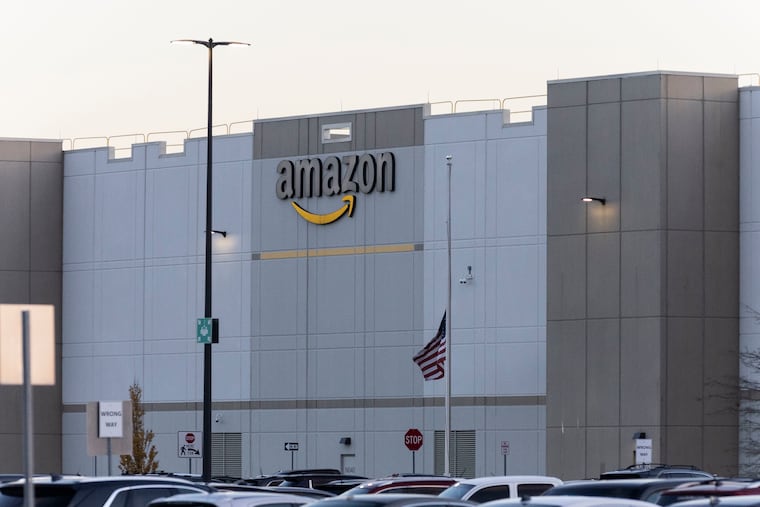
New Jersey officials have sued Amazon twice in three days, saying that the e-commerce giant has exploited delivery drivers and discriminated against warehouse workers who are pregnant or have disabilities.
The first lawsuit, filed Monday, marked the Garden State’s latest move to dispute companies’ classification of drivers as independent contractors, not employees who are legally entitled to certain benefits and rights, including minimum wage, overtime pay, earned sick time, and family leave.
At the heart of the latest suit are Amazon’s “Flex” drivers, who use their personal vehicles to deliver packages, according to court documents filed in Superior Court of Essex County.
New Jersey Attorney General Matthew Platkin and Department of Labor and Workforce Development Commissioner Robert Asaro-Angelo began investigating after some Flex drivers applied for unemployment and disability benefits, toward which Amazon has not been contributing.
“Amazon calls its drivers ‘Delivery Partners,’ but they are simply Amazon’s employees,” the complaint reads. “Drivers are workers who, in exchange for remuneration from Amazon, perform the discrete, repetitive work of picking up and delivering packages from Amazon’s warehouses, or other Amazon locations such as Whole Foods stores, to their final destinations — a necessary function for Amazon’s business operations. “
» READ MORE: Philly shoppers have a ‘love/hate relationship’ with Amazon but can’t stop spending — as much as $2,000 a month
Amazon spokesperson Mary Kate Paradiso said the lawsuit “is wrong on the facts and the law” and misrepresents how Flex works.
“For nearly a decade, Amazon Flex has empowered independent delivery partners to choose delivery blocks that fit their schedules, giving them the freedom to decide when and where they work,” Paradiso said in a statement. “This flexibility is one of the main reasons many drivers say they enjoy the program.”
Amazon advertises the Flex program as a way for people to make money on their own schedules. On the Flex website, Amazon says most drivers earn $18 to $25 an hour. A disclaimer underneath reads “actual earnings will depend on your location, any tips you receive, how long it takes you to complete your deliveries, and other factors.”
Since at least 2017, thousands of Flex drivers have worked in New Jersey, according to state officials.
“Amazon is taking advantage of Flex drivers and enriching its bottom line by failing to obey our labor laws and offloading its business expenses for the benefit of shareholders,” Platkin said in a statement.
New Jersey is stricter than some other states when it comes to independent contractors, and outgoing Gov. Phil Murphy has made combating worker misclassification a priority of his administration.
In a similar case, Lyft recently paid $19.4 million to the New Jersey Department of Labor & Workforce Development after it found the rideshare service had misclassified 100,000 drivers as independent contractors.
» READ MORE: New Jersey said Lyft drivers aren’t independent contractors. Now the company is paying $19.4 million
In a separate lawsuit filed Wednesday, Platkin and the state’s Division on Civil Rights say that Amazon discriminated against pregnant workers and workers with disabilities, including by putting them on unpaid leave or firing them after they requested reasonable accommodations. The lawsuit was the result of a yearslong investigation into the working conditions of about 50,000 workers at dozens of Amazon warehouses across New Jersey.
State officials said they found that sometimes workers’ accommodation requests were accepted, but then those workers were terminated for not meeting productivity goals.
“Amazon has exploited pregnant workers and workers with disabilities in its New Jersey warehouses,” Platkin said. “In building a trillion-dollar business, Amazon has flagrantly violated their rights and ignored their well-being — all while it continues to profit off their labor.”
An Amazon spokesperson did not respond Wednesday afternoon to a request for comment on the second lawsuit.