Judge dismisses DRPA lawsuit that sought to block N.J. probe into contracts and leases
The federal judge’s decision does not mean the Delaware River Port Authority will necessarily have to comply with NJ Comptroller's subpoenas, however. That question will likely fall to a state court.
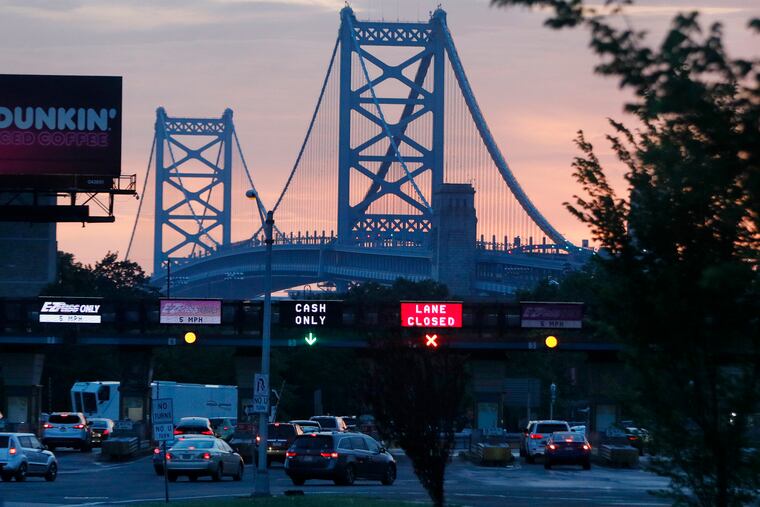
A federal judge on Thursday dismissed a lawsuit filed by the Delaware River Port Authority that sought to block subpoenas issued by a New Jersey watchdog agency demanding records and testimony about its procurement policies, contracts, and leases.
The suit, filed more than a year ago, alleged that New Jersey’s Office of the State Comptroller lacked the legal authority to investigate bistate entities like the DRPA that are created through compacts approved by Congress.
When New Jersey joined the compact with Pennsylvania, the DRPA’s lawyers argued, each state ceded certain rights to the bistate entity itself — including the power to investigate or audit the port authority’s operations.
But while it is well-settled law that bistate entities like DRPA are not subject to unilateral control of the member states, U.S. District Judge Michael A. Shipp said, the compact does not preclude an investigation by the Comptroller’s Office.
“Simply put, there is no text in the compact to suggest that [DRPA’s] authorized purposes and powers include the issuance of subpoenas or self-investigation in the form of subpoenas,” Shipp wrote in his opinion. “Without such purpose or power, there is nothing to bar defendant from issuing subpoenas to [DRPA].”
The judge’s decision does not mean the port authority will necessarily have to comply with the demand for records and testimony, however. Shipp wrote that to compel enforcement of the subpoenas, the Comptroller’s Office must request an order from state court.
A spokesperson for the Comptroller’s Office said it is pleased with the ruling and “hopeful that DRPA will comply with the subpoenas.”
Mike Williams, a DRPA spokesperson, said Friday that the port authority is reviewing Shipp’s decision “and evaluating all available options as we determine the most appropriate next steps.”
Why is the N.J. comptroller investigating the DRPA?
The Comptroller’s Office — which audits government programs and investigates misconduct by public employees — said in court filings that it launched the investigation in 2020 after progressive activists filed a complaint with Democratic Gov. Phil Murphy.
Acting Comptroller Kevin D. Walsh’s office has described its inquiry as a follow-up to an earlier comptroller probe of the DRPA under then-Gov. Chris Christie, a Republican, which resulted in a 2012 report that found the authority had wasted millions of dollars of tollpayers’ money through political cronyism and financial mismanagement.
Amid that investigation, the DRPA committed to reforms including ending economic development spending after the agency had allocated hundreds of millions of dollars to projects such as concert halls and sports stadiums.
But local chapters of the Working Families Party alleged that the port authority — which collects hundreds of millions of dollars in tolls each year and is governed by 16 board members who are mostly appointed by the governors of Pennsylvania and New Jersey — had failed to fully embrace change. The DRPA has denied those claims.
The Comptroller’s Office issued the subpoenas last July, seeking documents including the DRPA’s policies and procedures governing procurement of goods and services; a list of all contracts, including for construction, legal, and financial services from 2021 through 2023; leases and rental agreements; inspector general reports and correspondence; and sworn testimony concerning the agency’s “collection and maintenance of records.”
What happens next?
Walsh, a Murphy appointee, asked a state judge in October to enforce the subpoenas. In January, Mercer County Superior Court Judge Robert Lougy denied Walsh’s motion, deferring to the federal court to consider the legal issues raised by the DRPA.
But Lougy said then that the Comptroller’s Office could return to state court if it prevailed in the federal case.
The port authority has said it has offered to voluntarily provide the records sought by Walsh’s office so long as the comptroller withdraws the subpoenas. Walsh’s attorneys at the law firm Connell Foley LLP have said in court papers the DRPA did not specify what documents it would produce and “never promised to produce a testifying witness.”