The story behind Cherry Hill’s Magic Forest
As open space in the township began disappearing after the construction of the Cherry Hill Mall, locals began signing petitions to preserve what was left.
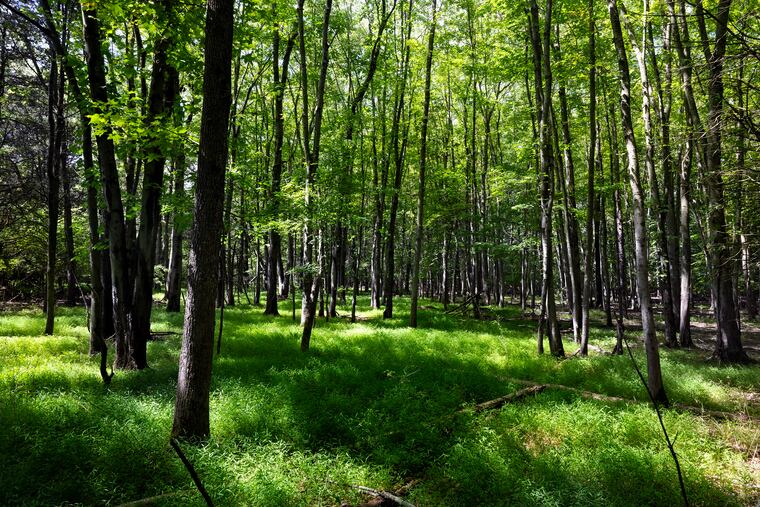
Amid shopping centers, cul-de-sacs, and strip malls, one luscious corner of Cherry Hill has remained protected from the specter of development.
In a 1975 article, Inquirer columnist William Speers described Cherry Hill’s Magic Forest as “thick with pine, birch, azalea, laurel and wild strawberry,” “layered all around with a natural carpet of long-dead leaves that makes it soft and easy to walk over,” and fortified with “good, sturdy logs to sit on and a nice-sized clearing where you can build a campfire.”
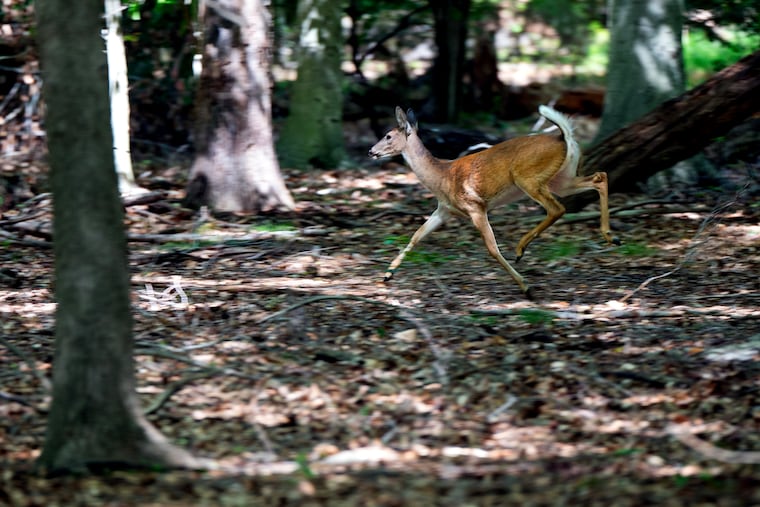
The Magic Forest, a section of lush greenery adjacent to the Woodcrest development, is a known watering hole for ring-necked pheasants, ruffed grouse, mockingbirds, goldfinches, and sometimes, foxes.
For some Cherry Hill residents, the Magic Forest is as mysterious as it is tranquil. One reader asked Curious Cherry Hill, The Inquirer’s forum for answering local questions: Who owns the plot of land colloquially known as the Magic Forest?
» ASK US: Have something you’re wondering about in Cherry Hill? Submit your Curious Cherry Hill question here.
The Magic Forest is owned by Cherry Hill Township, which purchased the land from developer Max Odlen in 1976 after supporters rallied to protect its wild landscape.
The township bought the Magic Forest for $1.4 million, with around half the funds coming from New Jersey’s Green Acres program. The program, founded in 1961, acquires land under threat of development through purchase or donation.
According to The Inquirer’s reporting from 1975, residents of the rapidly developing township had noticed Cherry Hill’s green spaces were disappearing — and fast. Through the 1950s and 60s, much of what is now Cherry Hill was farmland. That began to change quickly after the Cherry Hill Mall opened in 1961, which helped turn the sleepy township into a South Jersey destination and spur the development of newly plotted suburban neighborhoods.
By the 1970s, as Speers put it at the time, “Some Cherry Hill people have realized that maybe fields of shopping centers and rows and swirls of split-levels are not all the good that the good life needs.”

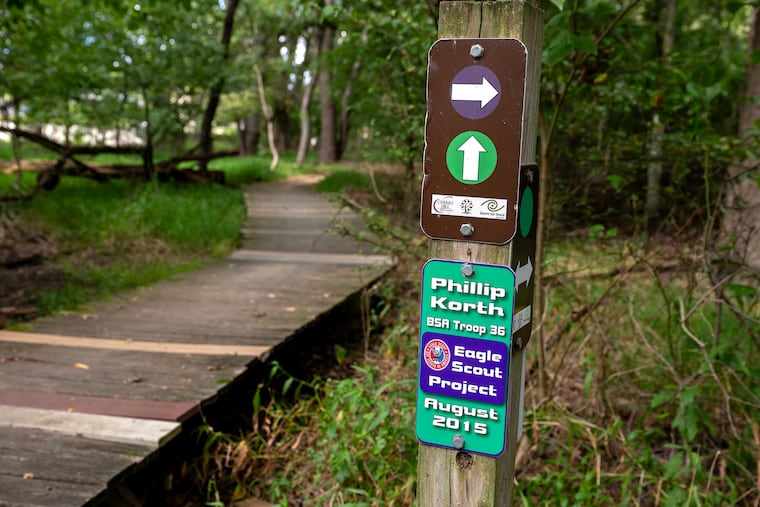
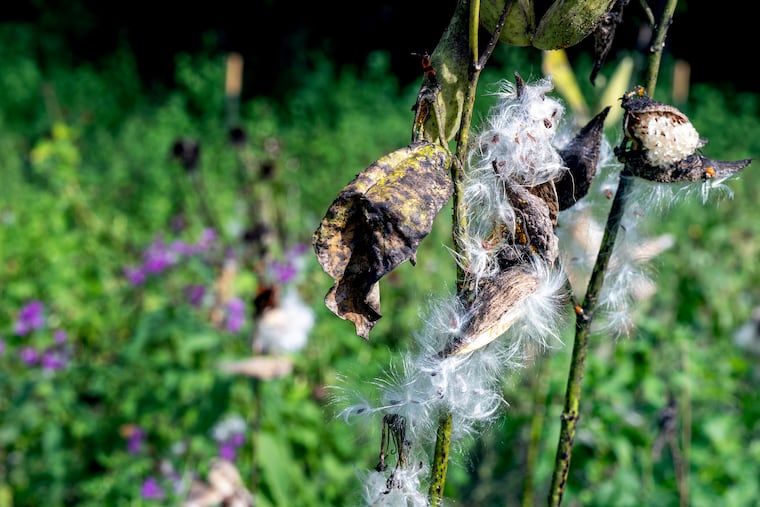
To preserve what was left of Cherry Hill’s wide-open spaces, locals began signing petitions; forming activist groups; and speaking out at public meetings.
“We grew up in those woods,” said Maurice Sampson, a longtime environmental leader who got his start pushing to save the Magic Forest in the 1970s.
Sampson says he got hooked on the environmental movement as a sophomore at Cherry Hill High School East. He was “captured” by the first Earth Day, and was pulled further into the cause when development threatened the luscious tract of forest he and his friends had grown to love.
As a teenage activist, Sampson took local civic association leaders to visit the forest, negotiated with Odlen, and organized Cherry Hill teenagers, all in the pursuit of saving the Magic Forest.
“We just took people out to see the woods,” he said. “Walking through the woods convinced people that this was the only piece of land that really needed to be saved.”
The advocacy worked, culminating in the township’s 1976 deal with Odlen.
“Here it is, 50 years later,” Sampson said.
Later efforts to develop the Magic Forest also faced pushback. In 1985, the township council rejected a bid from the Cherry Hill School District to turn parts of the green space into soccer fields.
According to Megan Brown, Cherry Hill’s recreation director, while there’s no official documentation of how the Magic Forest’s name came to be, community members likely adopted the nickname because the tract of land was “so remarkable and impressive.”
Sampson said the name “came from the kids who lived in Cherry Hill in the 70s.”