The 300-year-old Cochranville is moving toward its first public water line
More than a decade in the making, the village is expected to move to public water. The project is still a few years from breaking ground.
Cochranville is moving toward getting its first public water line, after West Fallowfield Township secured a grant to fund the project earlier this month.
Installing public water in the 300-year-old village situated within the largely agricultural township in western Chester County has been more than a decade in the making, said Duane Hershey, the chairman of the board of supervisors.
Residents told officials water was a concern in a survey a few years ago, and the township has a desire to bolster the commercial landscape of Cochranville, Hershey said. But leadership wants to accumulate as much funding as possible to limit the blow to residents.
The $1 million federal grant is the springboard for the municipality to gather more funds for the project, which Hershey estimates could cost $5 million to $6 million. The township is still years out from breaking ground.
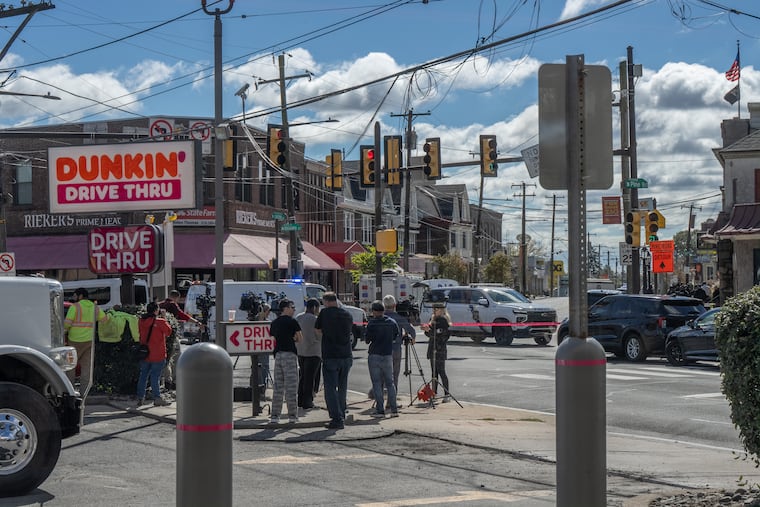
West Fallowfield covers a relatively large geographic area, but a majority is composed of agricultural properties. Its town center — the village of Cochranville — boasts a population of roughly 500, with a small number of residences and businesses sitting around the major intersection of state Routes 41 and 10. The lots are relatively small, and have on-site well water and septic.
“It’s difficult for anybody to drill a well, and it’s really difficult to put any kind of a septic system in, other than a tank that has to be pumped and hauled,” Hershey said.
That can be challenging for new businesses to come in without existing public utilities, said Michael Crotty, the township’s solicitor.
“We are hoping it strengthens our particular commercial core right there, at the main intersection, by giving them a much easier base to build and develop,” he said.
But, Hershey cautioned, it’s not because they want to vastly expand Cochranville. Rather, it’s to improve quality of life for people already there, and to bring in businesses to expand the tax base. The community has high nitrates due to its water setup, he said, which can be dangerous, particularly for babies. Consuming too much nitrate can lead to negative long-term health for adults, too.
“We’re not doing this because we want to develop Cochranville and build a whole bunch more houses,” Hershey said. “The reason we want to do it is just to improve the infrastructure that’s already there, that is struggling because of our water issues.”
The township plans to connect a water line to Cedar Knoll Homes at Honeycroft Village, a 55-and older-community about a half mile away, which has public water through the Chester Water Authority, Hershey said. It’s cheaper than if the township were to build its own water system.
They’ll connect most-needed areas first, and possibly expand in the future. Officials couldn’t say exactly how many households would be connected to the line. The project is in early development stages, Hershey said.
It’s not unusual for new water lines to be installed; that’s pretty much what happens whenever a new development is being constructed. But it’s a bit more unusual for the houses to come before the water line. The homes in Cochranville that will connect to the line are “long existing,” Crotty said.
“The way this might be handled elsewhere would be a big, huge residential development comes in, and that would bring public water, and maybe that only brings it for itself, or maybe it brings it part of the way, but that could often be at the expense of the agricultural land that we’re all seeking to preserve,” Crotty said.

Want to get Inquirer Chester County straight to your inbox every week? Sign up here for our guide to the news, stories, and events shaping life in your community.