These Wynnewood residents are building a Village to help Lower Merion’s older adults age in place
The Lower Merion Village is working to bring social events, transportation, household help, and other services to older adults in the Main Line community.
They say it takes a village to raise a child. But what about to age in place?
More than ever, older adults want to age in their homes. According to a 2024 survey by AARP, 75% of adults ages 50 and over want to stay in their homes as they get older, and 73% want to stay in their communities.
Economic and logistical barriers, however, can make aging in place difficult. Single-family homes in suburban neighborhoods can be isolating for older adults, especially those who don’t drive.
Moving into a retirement community with built-in care and socialization, on the other hand, can be expensive. This paradigm often forces older adults to make difficult decisions about if, and how, they can age in their homes.
To combat these challenges, a group of Lower Merion residents is building the Lower Merion Village, a local chapter of the nationwide Village to Village Network. The network seeks to “change the paradigm of aging” by connecting older adults to social events, transportation, household help, and other services while keeping them in the neighborhoods they know and love.
Bonnie Asher, a member of the Lower Merion Village’s program committee, got introduced to the village model through her mother, who lived in her suburban Maryland home until her death at 99.
Asher remembers worrying about her mother, especially as she got older and driving became a challenge. Getting involved in a village changed her mom’s life. Suddenly, she made new friends, got rides to the doctor’s office, and signed up for lectures, which she brought Asher to when she visited.
“Those connections were just really important,” Asher said.
The Village to Village Network is a national nonprofit that originated in Boston and has since spread from Fairbanks, Alaska, to upstate New York. The network provides guidance and resources to local chapters, which cater to older adults’ needs on a hyperlocal level.
Villages are membership-driven, self-governing organizations that are run by volunteers, and, at times, have a small paid staff.
There are five existing villages in the Philadelphia region: Penn’s Village (Center City), Village on the Ridge (Roxborough), East Falls Village, Shtetl 2.0 (Northwest Philly), and the Northwest Village Network (Northwest Philly).
In 2023, a group of neighbors in Wynnewood began tossing around the idea of starting a village. One conversation turned to a few gatherings at a neighbor’s house, then a monthly meeting at the library.
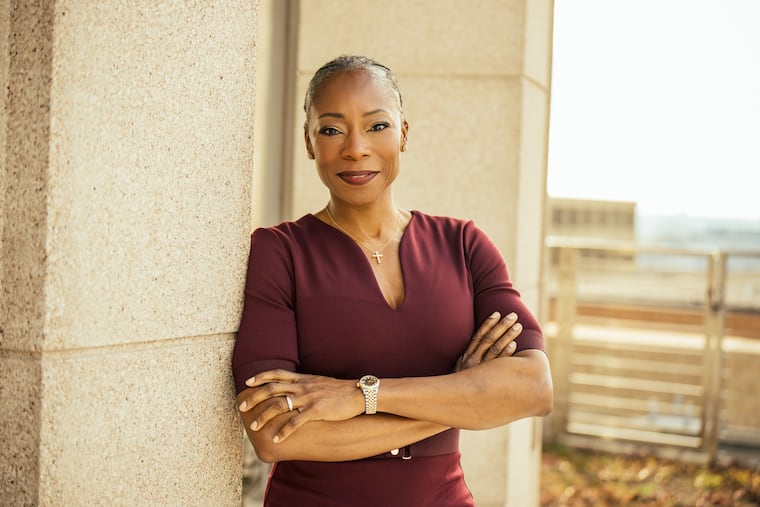
As the Wynnewood group dreamed up their village, its members got connected with Sara Crimm, also a Wynnewood resident and the founder of Families CCAN, a nonprofit focused on adults with disabilities.
Crimm saw the village as an opportunity to create a strong community infrastructure for both older adults and people with disabilities who want to stay, and thrive, in Lower Merion. Crimm met with the village organizers, and the newly formed coalition quickly got to work.
In spring 2024, Families CCAN received around $21,000 in American Rescue Plan (ARP) funds as part of Lower Merion Township’s ARP Non-Profit Vitality Grant Program. The funds were earmarked to help get the village off the ground, and most of the grant money went to pay Crimm’s salary as its first and only staff member.
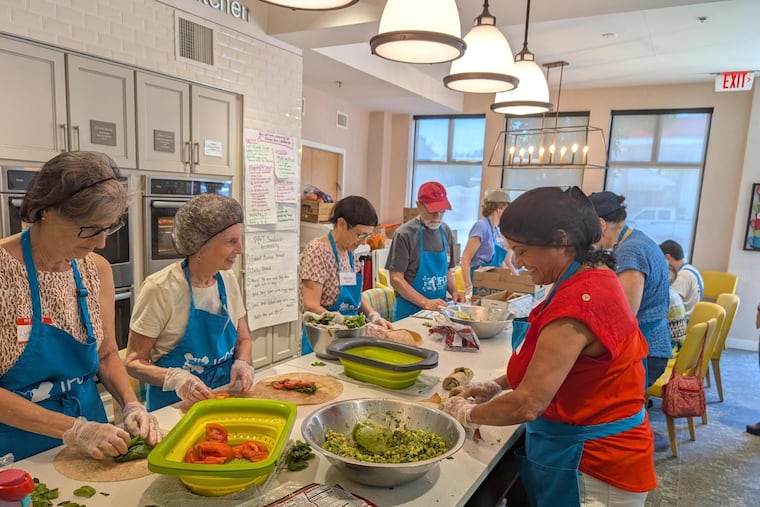
With that foundation, the village has launched a growing slate of social events as it works to establish its official nonprofit structure. The group takes weekly walks, perusing the Wynnewood Valley Park Sensory Garden or the local fall foliage. They’ve baked challah with Jewish Family and Children’s Service of Greater Philadelphia and hosted lectures — last month’s was on “ethical wills.” They meet monthly for coffee at Narberth’s GET Cafe.
When Asher moved to Lower Merion, her kids were already out of school, so she missed out on the opportunity to make friends through her children’s activities.
“One of the things that I’ve already gotten from the experience is making new friends. At this age, it’s just amazing,” said Asher, 74.
With regular lectures, walks, volunteer commitments, and lunches, Asher said with a laugh, “I got kind of busy.”
“We’re safer living in communities that are connected,” Crimm said, noting that many of the village programs are designed to build social connections and ward off the loneliness and depression that can sneak into older adulthood.
The Lower Merion Village is still in its infancy. It’s not officially accepting members yet, and Crimm is working to build a dues structure, create a website, and establish the organization as a 501(c)3 nonprofit.
The Lower Merion Village plans to charge an individual membership rate of $125 per year and a household rate of $200 per year. The village hopes to provide a scholarship option down the road for people who can’t afford it. The membership will come with access to all of the village’s programs, as well as to a network of volunteers who can help with household tasks, give rides, and troubleshoot technology.
Transportation is a particularly difficult issue for older people in Lower Merion, Crimm said. While SEPTA can take people into Center City or out to Norristown, getting around within the township can be difficult for people. Rideshares like Uber offer a temporary, but costly, solution.
Crimm noted that Lower Merion’s village will be less expensive than neighboring villages and assisted living communities. (Penn’s Village members pay $600 annually to gain access to services, and a one-bedroom apartment at Sunrise of Haverford, a senior living community that offers healthcare services, starts at $3,770 per month).
When asked about the misconceptions around aging, Crimm said there’s a pervasive ageism in how we see older adults’ wants and needs.
“These are people who are so rich in experience, and they have so much to give back,” she said. “Let’s support people to stay in their neighborhoods and to make those neighborhoods richer and stronger.”
Those interested in getting involved in the Lower Merion Village can email lowermerionvillage@gmail.com.

Inquirer Lower Merion