Historic St. Peter’s Village is going up for auction. It prompts the question: Will it be preserved, or developed?
The Warwick Township 83-acre village will go to the highest bidder in September.
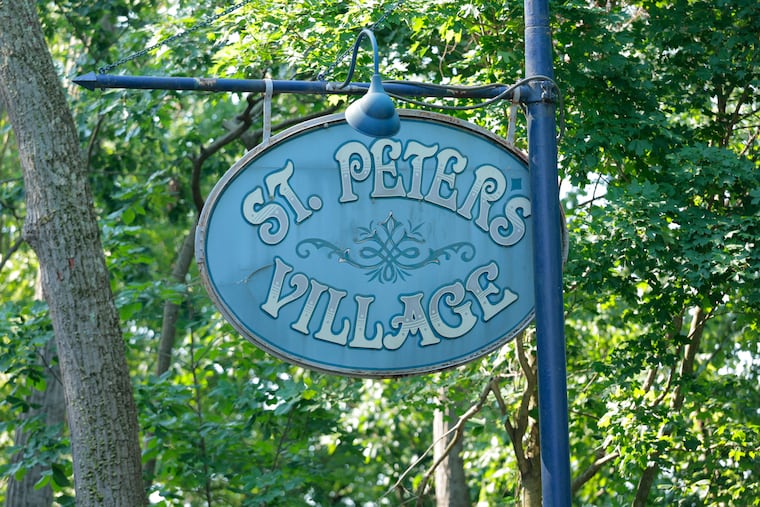
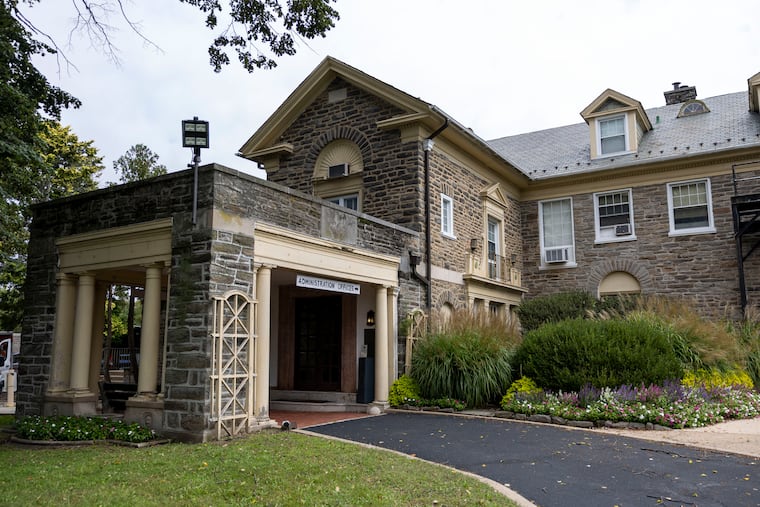
Roughly 83 acres of the historic St. Peter’s Village in Chester County will go up for auction this fall to the highest bidder, opening up potential for massive development of the land. And it already has seen thousands of interested parties.
The auction, scheduled for Sept. 30 at The Desmond Malvern, will put on offer the entirety of the Warwick Township village, in what auction and preservationist experts call an “unusual” type of sale.
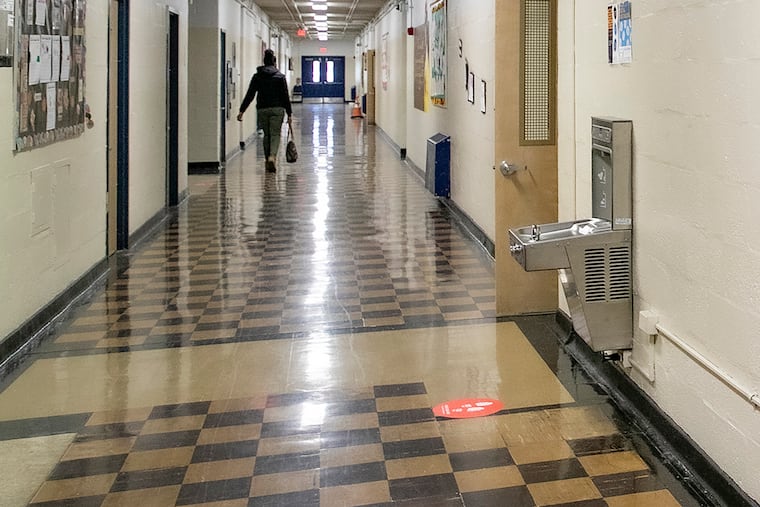
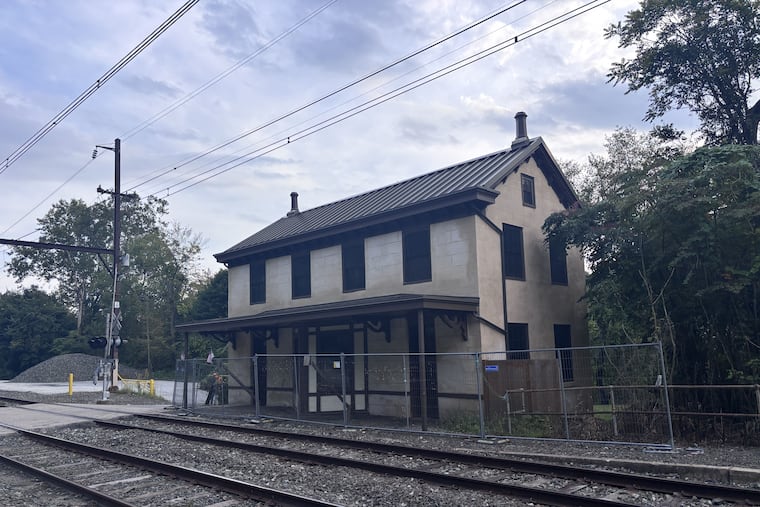
On the table: 121 homes, which consist of 33 single-family homes, 33 twins, 34 townhomes, and 21 two-acre home sites; a wastewater treatment plant that serves the existing buildings; and 13 historic and commercial village buildings — including The Inn at St. Peter’s — which total about 43,500 square feet.
The new owner could also clinch iron ore deposits on site, “adding a rare investment dimension,” the auction website notes.
The property is being sold as one unit. The buyer will have to improve the existing wastewater treatment plant for a full build out. The land is zoned for residential and neighborhood business uses.
It is definitely an “unusual property” and the auction is unusually large as well, said Doug Clemens, chief executive officer of the Traiman Real Estate Auction Company, which is overseeing the sale. Clemens said the property is owned by one entity. The Piazza family, which runs the Piazza Management Co. and owns multiple Main Line car dealerships, is listed on associated parcels. A spokesperson declined to comment.
“We’ve sold properties that were thousands of acres, but they weren’t builder properties, so this is a large property for a builder,” Clemens said.
Its good reputation, long history, and the sheer size of the parcel are why Clemens suspects they’ve seen remarkably high interest. The auctioneers put out a news release about the upcoming sale last week. They’ve received 14,000 responses since, he said.
Bidders must register at the auction with $150,000 guaranteed funds, but the bids will start wherever they’re comfortable.
“At the conclusion, we’ll know what the bidders were willing to pay for it,” Clemens said.
Following the curves of the French Creek, the village was established in the 1880s during the Gilded Age — a point in history where America was going through “growing pains” of both capital and labor, as well as whether it would be an “industrialized or agrarian nation,” said Jared Frederick, a history professor at Penn State Altoona.
Like many a small village or hamlet in Pennsylvania, St. Peter’s sprung up because of its nearby natural assets: the French Creek, timber, good soil – and resources like iron ore, copper and black granite.
Its economy flourished, thanks to those natural resources, which it transported to Philadelphia. It’s a “fascinating little enclave that demonstrates how some places were caught in the middle” of semi-ruralness and proximity to the big city, Frederick said.
Alongside that growing economic engine was also leisure, though. St. Peter’s Village became a recreational getaway due to its beautiful, scenic vista — something considered a “majestic retreat for commoners,” Frederick said. And while Chester County places high value on its green spaces now, it was even more essential for people living in urban areas to have access to such places in the 1880s through the 1900s, Frederick said.
Its sale has prompted concern about what it could become, with the auction site touting it as “suitable for major builders, venture capitalists, historic preservationists, and entrepreneurs.”
Places like this are increasingly rare, Frederick said. And while the village is on the National Register of Historic Places, that doesn’t necessarily safeguard it, Frederick said. There’s a “fairly lengthy list” of places that have earned such recognition, but been bulldozed or neglected.
And while development and other attractions could help revive the village by drawing in tourism, he believes it’s a careful balancing act.
“Something that I always impart to my students in the classroom when we talk about the power and the need to preserve historical places, is that regret only goes one way,” he said. “When a place is gone, it’s gone forever, and that is something that very much needs to be kept in mind when pondering the fate of places like this.”

Want to get Inquirer Chester County straight to your inbox every week? Sign up here for our guide to the news, stories, and events shaping life in your community.
This suburban content is produced with support from the Leslie Miller and Richard Worley Foundation and The Lenfest Institute for Journalism. Editorial content is created independently of the project donors. Gifts to support The Inquirer’s high-impact journalism can be made at inquirer.com/donate. A list of Lenfest Institute donors can be found at lenfestinstitute.org/supporters.