FIFA is dropping hotel rooms in host cities three months before the World Cup
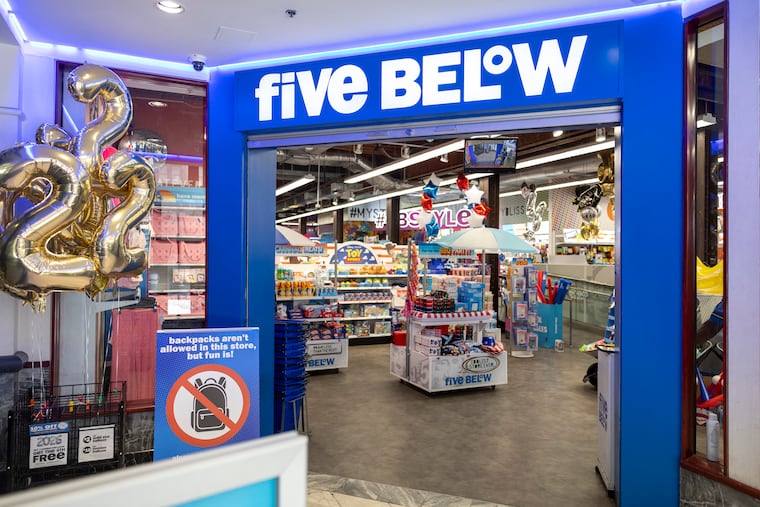
FIFA canceled thousands of hotel room reservations in Philadelphia, and hundreds in Mexico City, just a few months before the 2026 World Cup.
Boosters billed the 2026 World Cup coming to the United States as a chance for host cities to benefit from millions of international fans pouring into town. But now, with only three months until kickoff, the governing body of the tournament is clawing back its hotel bookings.
FIFA canceled 2,000 of their 10,000 hotel room reservations in Philadelphia last week. The group exercising a last-minute opt-out clause in their contract, according to sources who were not authorized to speak on the record.. Philly is not the only city to experience FIFA hotel cancellations, as FIFA reportedly canceled 40% of its hotel bookings in Mexico City earlier this month.
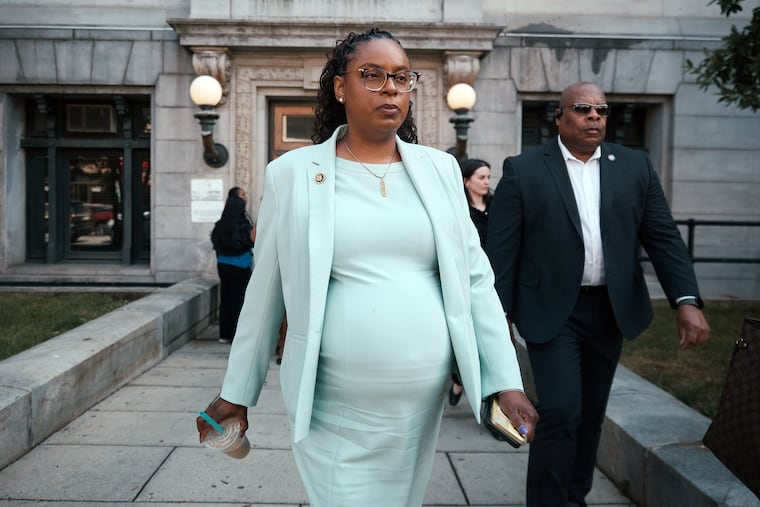
CEO of the Greater Philadelphia Hotel Association Ed Grose, who represents 90 hotels in the city, said hotel reps in at least one other U.S. city confirmed FIFA had canceled hotels. He declined to name the other city. “Philadelphia is not the only city where they did that. Regardless of what’s happening, I do believe the World Cup is going to be a phenomenal event for us,” he said.
A person familiar with FIFA’s hotel contracts, but who was not authorized to speak on the record, said the soccer governing body exercised a standard contractual provision consistent with large-scale global events, and confirmed the hotel room rollback was happening in other host cities.
A FIFA spokesperson confirmed this was the case and noted the soccer governing body had exercised similar opt-out clauses at previous World Cups.
These rooms are set aside for FIFA staff, media organizations, and attendees. As attendance numbers become more concrete closer to the start of matches, FIFA adjusts hotel room bookings accordingly, the spokesperson said.
This World Cup presents a pivotal moment for the hotel industry after years of steep decline in international travel, said Rosanna Maietta, CEO of the American Hotel & Lodging Association. The demand for the World Cup has not fully translated into strong hotel bookings, Maietta said.
To make matters worse for hoteliers, when an organization cancels hotel block reservations at the last minute, there is little time to remarket the rooms to other travelers. “Fully realizing the economic potential of this moment requires making international travel as seamless as possible. Ongoing visa uncertainty and lengthy wait times risk deterring visitors at a time when the U.S. should be doing everything it can to welcome global fans,” Maietta said.
The cancellations coincide with U.S. host cities grappling with a delay in federal security funding, mostly paid out for police overtime associated with World Cup events. While the money was stuck in limbo for most of this year, many U.S. host cities have scaled back plans for large-scale fan festivals, including in New Jersey, Boston, Miami, and San Francisco. Many fans who can’t afford World Cup match tickets visit host cities for the atmosphere these festivals provide.
Philadelphia’s fan fest, though, is on track. Philadelphia has a 39-day festival scheduled on Fairmount Park’s Lemon Hill.
FIFA almost deal with a complex geopolitical situation that have led to soaring travel costs as the war with Iran rages on.
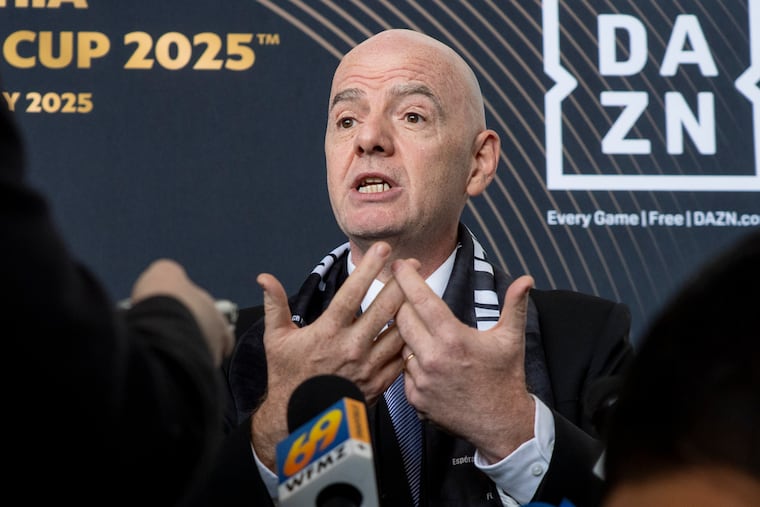
“FIFA can’t solve geopolitical conflicts, but we are committed to using the power of football and the FIFA World Cup to build bridges and promote peace as our thoughts are with those who are suffering as a consequence of the ongoing wars,” said President Infantino.
“FIFA is looking forward to all teams participating at the FIFA World Cup to compete in a spirit of fair play and mutual respect. We have a schedule. We will soon have the 48 competing teams confirmed, and we want the FIFA World Cup to go ahead as scheduled.”
Additionally, FIFA recently slashed its operating budget by $100 million, reported The Athletic, which would have gone to safety, logistics, security, and accessibility operations.
The regional hospitality industry is now grappling with the reality that the World Cup may not be the boon to business as previously marketed to them. But Grose chooses to stay optimistic.
“While I would have rather had them keep their hotel room blocks, I hope that those rooms that FIFA dropped are picked up by fans coming to watch the matches,” Grose said.
Correction: This article has been updated to correctly attribute the source of information of the number of cancled hotel rooms.