Why you might have seen fewer fireflies in Pennsylvania backyards
And here’s how you can make your yard a firefly haven.
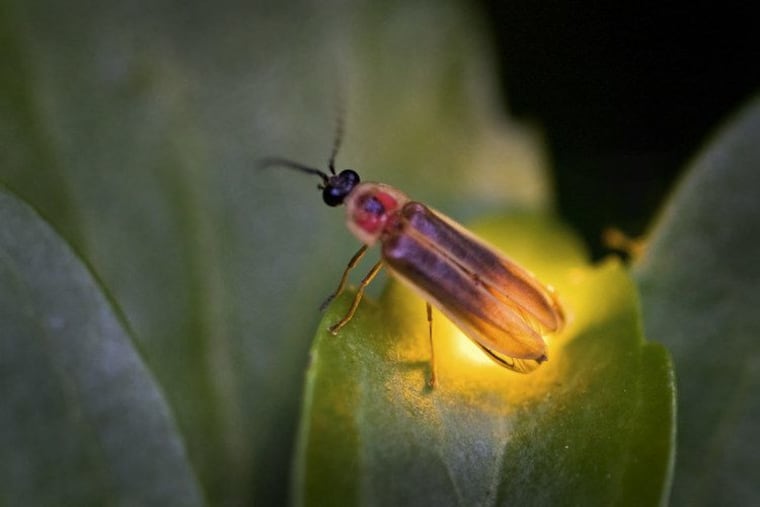
Early this summer, parts of central and rural Pennsylvania lit up with fireflies — or lightning bugs, depending on where you’re from. Warm, wet summers in recent years have created prime conditions for the nostalgic beetle (yes, they’re beetles, not flies or bugs) to thrive.
That might sound like Pennsylvania’s official insect, the Pennsylvania firefly, is on the rise. But the full picture is more complicated.
The Keystone State is home to about 30 firefly species, including Photuris pennsylvanica, the Pennsylvania firefly. The official state insect is doing fine, says Pennsylvania State University entomologist John Tooker, but many other species are struggling.
That led one reader to ask The Inquirer’s Curious Philly forum: “Why did it appear that there were fewer fireflies, a.k.a. ‘lightning bugs,’ in my backyard this summer?”
» ASK US: Have something you’re wondering about the Philly region? Submit your Curious Philly question here.
Not all fireflies are the same
That is a great question, dear reader.
The first thing to know: Fireflies fall into two categories based on their diet and habitats.
“People assume fireflies are a monolith, but there are many species. The ‘generalist’ firefly is one we can all see in the backyard — the Pennsylvania firefly — and that seems to be doing fine,” Tooker said. “There are other fireflies that are ‘habitat specialists.’ Some that only occur in wetlands. Some that only occur in the deepest, darkest part of the forest.”
Generalists adapt easily to most environments and diets. Specialists, which make up most of Pennsylvania’s other firefly species, need specific habitats to survive.
Firefly population decline is tied to habitat loss
Fireflies that rely on wetlands, forests, or streams are losing ground to development.
“Those habitats are going away faster, and then those habitat specialists are probably suffering because the places they like to live aren’t around as much as they were, say, 50 years ago,” Tooker said.
While generalists can adapt — including those you still see blinking in city yards — even they struggle against one environmental factor: light pollution.
Firefly mating proves difficult with light pollution
Every firefly species is affected by artificial lighting, Tooker said. As cities and towns install brighter LED streetlights, fireflies’ delicate flashing patterns get washed out. That makes it harder for males to attract females.
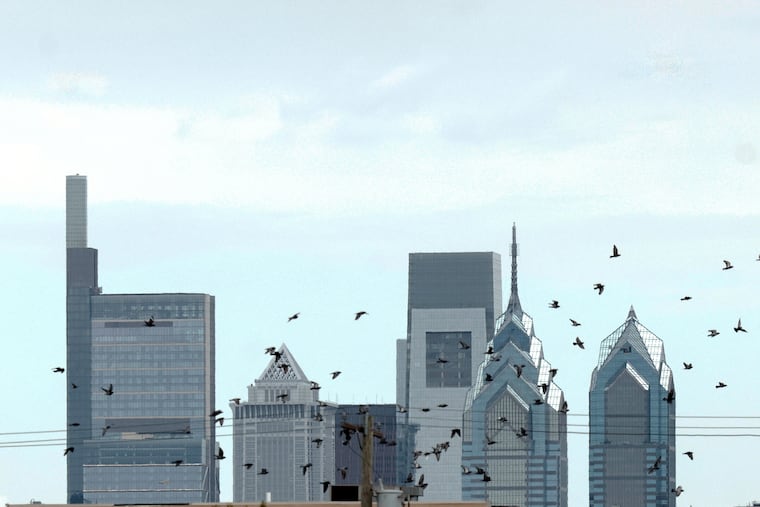
In Philadelphia, nearly every street is lined with LED lights — a hostile environment for nocturnal wildlife.
Tips for more fireflies in your backyard
Fireflies thrive in dark, damp spaces with native plants. Tooker suggests a few steps:
Turn off exterior lights when not in use.
Use warm-colored bulbs. Dimmer, orange-tinted lights are less disruptive.
Choose covered fixtures. Direct light where you need it instead of flooding the yard.
Plant native species. Fireflies aren’t tied to specific plants, but a biodiverse backyard supports the insects they feed on.
Limit chemicals. Pesticides, insecticides, and herbicides reduce insect biodiversity.
Homegrown National Park, a movement encouraging residents to create wildlife-friendly yards, offers more resources on attracting native species.