Philly named the world’s best place to visit in 2026, apparently | Weekly Report Card
Grading the good, bad, and weird news coming out of our region.

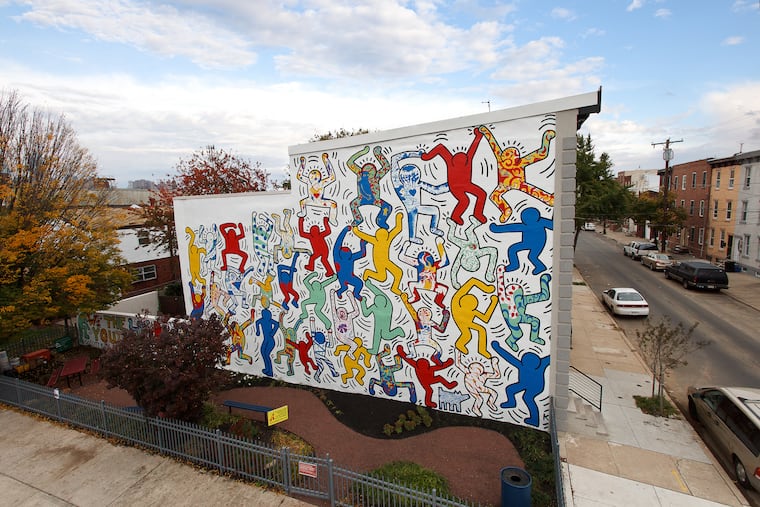
The Wall Street Journal crowns Philly the best place to visit in 2026: A
Congratulations to Philadelphia, which has officially been named the world’s best place to visit in 2026 — a sentence that still feels fake even after you say it out loud.
The Wall Street Journal says it’s because of America’s 250th birthday, the World Cup, March Madness, the MLB All-Star Game, and a stretch of months where Philly will be hosting basically every major event short of the Olympics.
But let’s be clear: Big events don’t make a city great. They just expose whether it already is.
Philly works as a destination because it can handle the chaos. This is a city that treats historic milestones and sports meltdowns with the same emotional intensity. Where strangers will give you directions, opinions, and a life story within 30 seconds. Where the best part of your trip will almost certainly be something you didn’t plan: a bar you ducked into, a neighborhood you wandered through, a crowd you got absorbed into without realizing it.
So why not an A+? Because Philly being crowned “best place to visit” comes with consequences we know all too well. Inflated hotel prices, SEPTA stress tests, streets that were never designed for this many people, and locals being asked, again, to carry the weight of a global party while still getting to work on time.
And because, frankly, Philly doesn’t need outside validation. This city didn’t suddenly get interesting because the Wall Street Journal noticed. We’ve been loud about this for years, from barstools, stoops, and comment sections, and now the rest of the world is finally catching up (and booking flights).
Still, credit where it’s due. This is a huge moment, and a deserved one. Philly is about to have the kind of year cities dream about, even if we’ll spend most of it grumbling, redirecting tourists, and muttering “we told you so.”
We’ll host the world. We’ll complain the entire time. And somehow, we’ll still prove them right.
Primo Hoagies covering big-dog adoption fees: A+
This is what “using your powers for good” looks like.
As PhillyVoice reported, Primo Hoagies quietly covering adoption fees for large dogs at a South Jersey shelter is the kind of move that cuts straight through the holiday noise. No brand stunt. No overexplaining. Just: These dogs keep getting passed over, that’s not right, let’s fix one part of it.
Big dogs are the last ones out the door. Everyone wants the tiny, apartment-friendly, Instagram-ready pup. Meanwhile, the 70-pound sweethearts sit there, year after year, wondering what they did wrong (answer: nothing). Removing the fee doesn’t solve everything, but it removes one very real excuse, and sometimes that’s all it takes.
Also, this is extremely on-brand Philly energy. Feed people. Love dogs. Don’t make a big deal about it. Just do the thing.
Philly making Zillow’s hottest housing markets list: B (with side-eye)
Congratulations to Philadelphia, the only actual big city crashing Zillow’s list of America’s most popular housing markets… entirely because we’re still, somehow, cheaper than everywhere else that wants to be us.
That’s the compliment. Also the warning.
Zillow’s takeaway is that Philly is “affordable,” centrally located, and culturally desirable. Which is true. It’s also the most polite way possible to say: People are moving here because they’ve been priced out of everywhere else. Welcome! Please enjoy our rowhouses, strong opinions, and streets that were absolutely not designed for this many buyers.
The median home value sitting around $230,000 looks great on a national list. On the ground, it translates to open houses packed like an Eagles tailgate and starter homes disappearing in 48 hours with cash offers that make lifelong renters quietly spiral. Philly didn’t suddenly become hot. It became relatively attainable, which in 2025 is the real flex.
But let’s acknowledge that there is tension baked into this moment. Being desirable is good. Being affordable is better. Staying both at the same time? That’s the hard part.
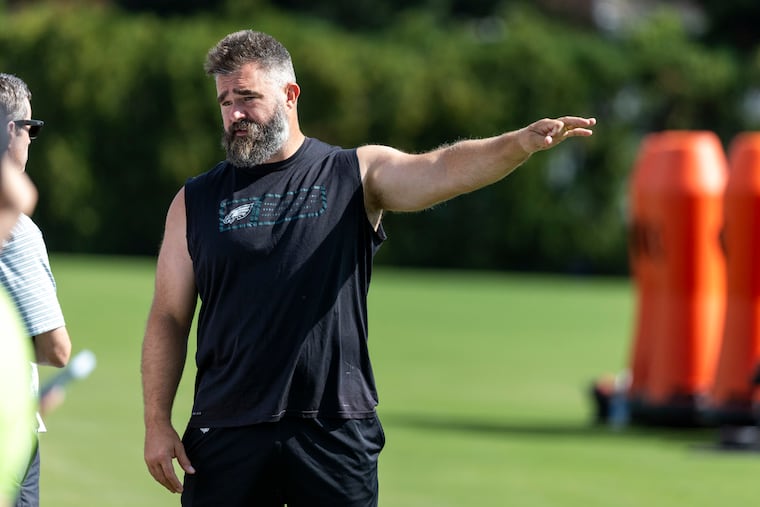
Jason Kelce investing in Hank Sauce: A+ (this was inevitable)
There are celebrity investments, and then there are ones so perfectly aligned they feel less like a business move and more like destiny. Jason Kelce backing Hank Sauce, a Sea Isle City staple sold in surf shops, Shore houses, and Philly-area grocery stores, is very much the latter.
Sea Isle is so Jason Kelce. He’s there constantly. He bartends there. He fundraises there. He rips his shirt off there. He eats there. At this point, investing in a Sea Isle brand feels less like branching out and more like protecting his natural habitat.
And Hank Sauce? Also a perfect match. It’s not about pain tolerance or macho heat levels. It’s a hot sauce for people who want flavor without suffering, which somehow mirrors Kelce’s whole deal: loud, intense energy paired with surprising warmth and accessibility.
This doesn’t feel like a celebrity slapping his name on a product he just met. Kelce was already a customer. Already a fan. Already drinking beers with the founders in the back room years ago. Philly and the Shore can smell authenticity a mile away, and this one passes immediately.
Will this help Hank Sauce grow further nationally? Almost certainly. But more importantly, it feels earned. It’s a local guy with local roots putting money behind something that already belonged to the place — and to him.
Philly’s ever-lengthening commute: C-
Nothing bonds Philadelphians quite like the shared understanding that getting to work will take longer than it should, feel more chaotic than advertised, and somehow still be your fault for not “leaving earlier.”
A new report confirms what everyone stuck on the Schuylkill, the El, or a delayed Regional Rail train already knows: Philly’s average commute is longer than most big cities — and it got worse last year. Thirty-three minutes doesn’t sound brutal until you remember that’s a one-way trip, on a good day, assuming nothing’s on fire (which, this year, was not a safe assumption).
Yes, return-to-office mandates are part of it. Yes, traffic is bad everywhere. But Philly commuters have been playing on hard mode: SEPTA funding drama, service cuts that almost happened, service cuts that did happen, train inspections, near-strikes, and the ever-present question of whether your bus is late or just gone.
The most Philly part is that it’s still technically better than 2019. Which feels less like a victory and more like saying, “Hey, at least it’s not the worst version of this misery.”
New York’s commute is longer. Congrats to them. But Philly’s special talent is making 33 minutes feel like an emotional journey. You leave your house hopeful. You arrive at work already needing a break.
The Tush Push is officially losing its magic: C
Let us be honest with each other, because denial is unbecoming. The Tush Push is no longer a cheat code. It’s a memory. A beautiful, violent, once-automatic memory.
Three tries. Three failures. False starts, no gain, another flag, and then Nick Sirianni punting like a man quietly admitting something he didn’t want to say out loud. When the Eagles chose not to run it on fourth-and-1, that was the tell. Not the stats. Not the penalties. The vibes. Coaches don’t abandon unstoppable plays. They abandon plays that might get them booed.
For a while, the Tush Push was everything Philly loves: blunt, physical, a little rude, and wildly effective. It turned short-yardage into theater. It broke opponents’ spirits. It sent NFL discourse into absolute hysterics. It won games. It won a Super Bowl. It made grown men scream about “nonfootball plays” like the Eagles had discovered witchcraft.
And now? Teams figured it out. Officials started staring at it like it personally offended them. Hurts clearly got tired of being a human battering ram. What was once inevitable is now… work. And unreliable work at that.
This grade isn’t a condemnation. It’s grief. The Tush Push didn’t die because it failed once. It died because it stopped being feared. It went from “automatic” to “ugh, here we go,” and that’s not good enough in January.
The Eagles will be fine. They have Saquon Barkley, creativity, and other ways to move the ball. But the era of lining up and daring the defense to stop you, knowing they couldn’t, is over.
Raise a glass. Pour one out. Say something nice. Then move on.

- Behind the scenes at world-renowned Martin Guitars
- She left the dating parlors and courting buggies of Lancaster behind. Now she’s learning to date from scratch.
- My mother-in-law gifted me an ugly Eagles table runner. Do I have to keep it?
- Philly named the world’s best place to visit in 2026, apparently | Weekly Report Card
- The best things we ate this week
- How to have a Perfect Philly Day, according to WXPN host Joey Sweeney
- Citywide Quest: Do you know where in Philly these Mummers-themed photos were taken?
- Eat your way through Honolulu, from poke to shave ice | Field Trip
- She needed to leave fast. She bought a four-bedroom house in Strawberry Mansion without any money saved. | How I Bought My House
- Capturing the winter solstice