With SNAP in legal limbo, Philly businesses depend on its recipients
While the program's pause is being adjudicated by the Supreme Court, local businesses welcome the return of their SNAP customers
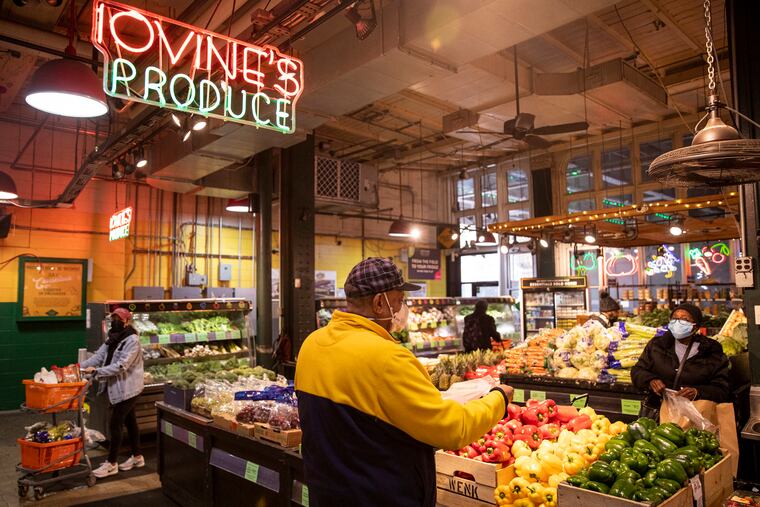
While nearly a third of Philadelphians struggled without their monthly food stamp benefits during the government shutdown, so too did local businesses that depend on those sales.
Whenever traffic is slow at Reading Terminal Market, Robert Passio, the owner of Giunta’s Prime Shop, notes the “lack of energy in the market,” he said. Since benefits from the Supplemental Nutrition Assistance Program were cut at the start of November, that missing energy was palpable.
In Pennsylvania, 2 million people receive SNAP benefits, and in Philadelphia, it’s 472,000. Reading Terminal Market is the largest redemption site for SNAP and EBT in the state, CEO and general manager Annie Allman previously told The Inquirer.
About 30% of Passio’s customers use SNAP, sometimes more closer to the beginning of the month. But when the program’s funding was frozen by the Trump administration during the federal government shutdown, his sales dropped.
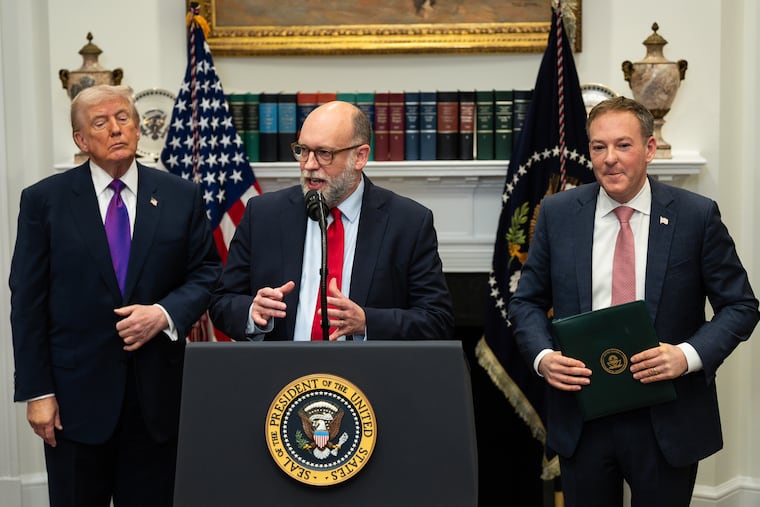
Relief for Pennsylvanians started to arrive on Friday, when Gov. Josh Shapiro’s administration released $100 million in SNAP benefits to recipients. The day prior, a federal appeals court ruled against the Trump administration, requiring it to distribute the funds in full during the shutdown.
Before the Trump administration appealed the ruling to the U.S. Supreme Court, Pennsylvania’s Department of Human Services Secretary Val Arkoosh acted quickly to start distributing the benefits.
Now, that benefits have started flowing again, customers are returning to businesses like Giunta’s. Passio said it even felt like normal at Reading Terminal this weekend.
“Saturday was beautiful. It was a very good day,” he said.
Some customers return, while others don’t
Even while some SNAP benefits returned in Pennsylvania, in New Jersey and other states like California and Wisconsin, the program’s future has yet to be settled.
On Monday, the Trump administration returned to the U.S. Supreme Court, after an appeals court ruled against the SNAP cuts late Sunday. Pennsylvania is now briefly pausing SNAP again until the Supreme Court issues a ruling, which is expected Tuesday.
And while the Shapiro administration was able to release $100 million in SNAP benefits, the state was scheduled to receive $266 million for the program in November before the Trump administration blocked payments.
It’s unclear what will happen to the funds that have yet to be distributed, but the legal back-and-forth could prove to be moot with the government approaching a deal to reopen.
Despite some uncertainty, SNAP recipients took full advantage of the program’s resumption this weekend at the Italian Market.
Michele Gambino, the South 9th Street Business Association manager, said that the market’s butchers and produce sellers typically depend on SNAP for up to 40% of their sales and that customers retreated during the last week. Traffic appeared to normalize this weekend, and she welcomed it, she said.
“It’s important for everybody that these things don’t stop,” Gambino said about SNAP. During the program’s pause, she said, vendors reported an uptick in credit card usage, driving up their costs for transaction fees.
“People still had to eat,” she said.
But the struggles continue for some vendors who rely heavily on SNAP, as full benefits are still being metered out.
Usually, this week would be the sales peak for OK Produce in Reading Terminal Market, with SNAP benefits landing in the accounts of all recipients by the middle of the month. But customers have yet to return.
Sam Kimani, owner of OK Produce, said SNAP benefits make up about 25% to 30% of his sales, a few hundred dollars per day. Now, OK Produce is getting only about $30 per day from SNAP sales.
“The last time I had 200 [dollars] was more than two weeks ago,” he said.
Kimani said shoplifting had “skyrocketed” at his marketplace. Typically, OK Produce might catch one person every couple of weeks doing so. Since benefits were frozen, Kimani said they’ve stopped five or six people. He closed one of the entrances to OK Produce that cashiers couldn’t watch carefully from their register stations.
He also has noticed a significant rise in shoppers who pay with Food Bucks, a statewide voucher system that matches dollar for dollar with SNAP purchases. It’s helpful for customers who redeem their “greenbacks,” but Kimani said he doesn’t see a dollar from those transactions.
But Kimani is staying optimistic. With benefits trickling out and the government poised to reopen, he envisions a mass of people returning soon, benefits in hand.
“We’re hoping we get a boom of customers,” he said.
The Associated Press contributed to this article.