Rising food costs and shrinking aid squeeze consumers, officials, and service groups
“The reality is, we are striving to do more with less,” said Philabundance's CEO.
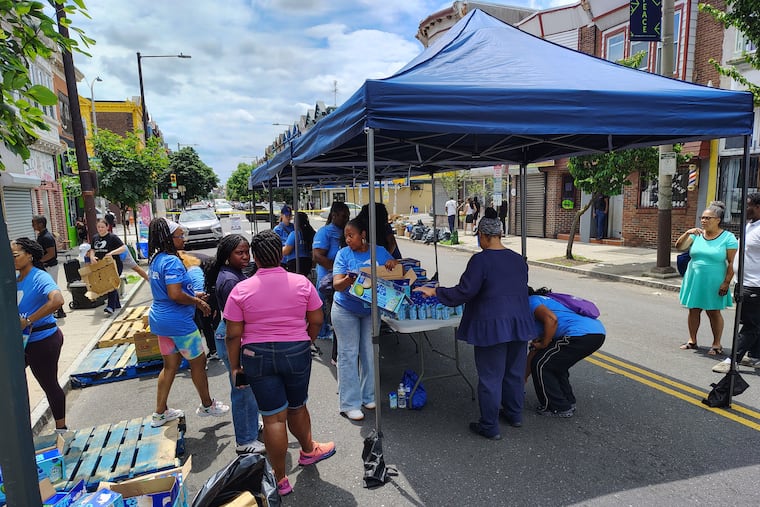
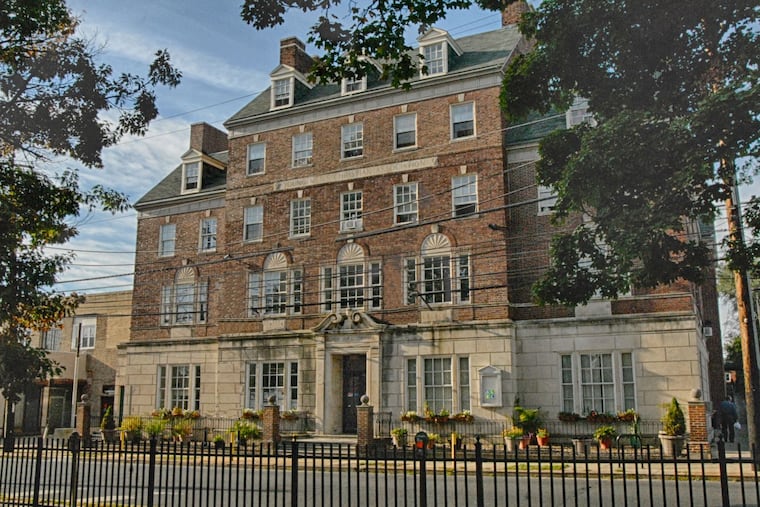
On a Friday afternoon near 60th and Walnut Streets, the hottest ticket on the block was a legislative office. A trio of cerulean canopies shielded snacks, produce, and coconut water from the sun as residents and passersby gathered for the food giveaway organized by state House Speaker Joanna McClinton (D., Philadelphia).
People walked out of line with bananas, strawberries, grapes, and Tastykakes. Staffers passed bags of fruit to teenagers in ski masks and white T-shirts. And this was a light crowd, according to neighbors gathered around the block: Usually, they said, the line wrapped around the corner.
For local elected officials and service organizations alike, inflation, tariffs, and budget cuts have meant grappling with families struggling to make ends meet while governments at all levels look to tighten their belts.
“Since the start of inflation and what’s going on, seems like they do everything that you need done when you come here,” said Franklin Wallace, who was sitting in line at “Breezy Mart,” State Rep. Amen Brown’s weekly produce giveaway, in mid-July.
In the shadow of pallets piled high with melons, bananas, and boxed coconut water, crowds of mostly older people had begun awaiting Breezy Mart’s start at 40th and Market Streets more than an hour early.
“I literally hate to go to the market anymore,” said Arlene Andrews in the Breezy Mart food line. “I just take a deep breath, and I try to buy what’s on sale.”
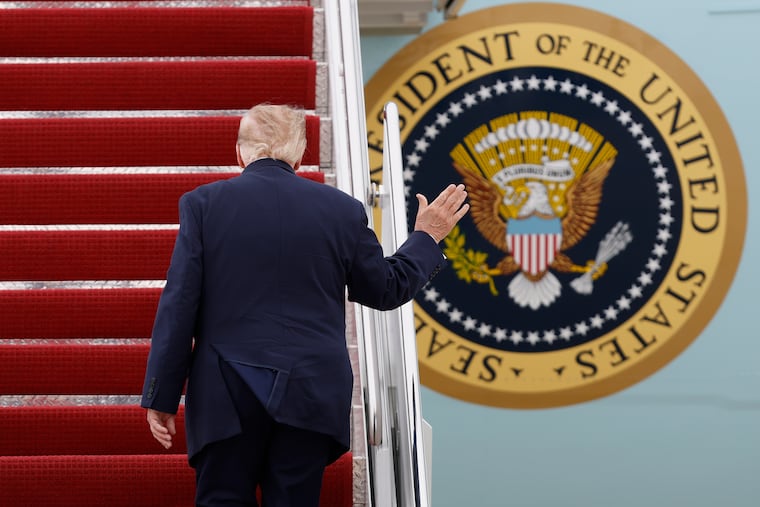
The tariffs announced by President Donald Trump’s administration have raised the price of some consumer goods, including foods. And Congress has passed significant cuts to public-assistance programs, including the Supplemental Nutrition Assistance Program, or SNAP, widely considered the federal government’s biggest weapon against hunger.
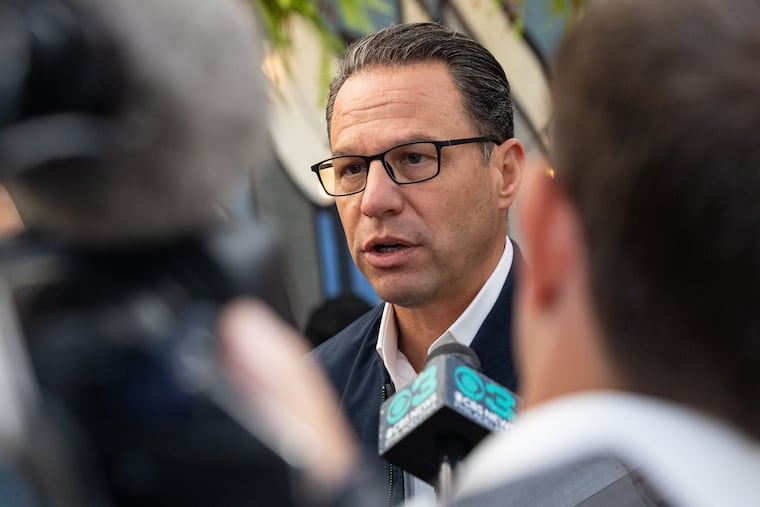
Democratic state officials, including Pennsylvania Gov. Josh Shapiro, have sued the Trump administration to try to get funding restored.
State and federal officials have fought a war of words over meal aid since at least March, when the U.S. Department of Agriculture cut two programs responsible for more than $1 billion in school lunches and food pantry fare. Pennsylvania programs faced roughly $13 million in cuts after the White House canceled a Joe Biden-era deal to send those funds to state food programs.
“Pennsylvania farmers and food banks are owed $13 million, and I won’t stand by and let our farmers get screwed in the process,” Shapiro said during a May visit to the Central Pennsylvania Food Bank, one community organization affected by the cuts.
On an April swing through Pennsylvania, U.S. Agriculture Secretary Brooke Rollins accused Shapiro of “playing some games” with aid. Millions in food assistance, Rollins said, were still flowing into state and local coffers.
Shapiro filed suit in May over the cuts, saying neither the White House nor USDA had the authority to claw back funds Congress allocated.
A spokesperson for the governor, Franchesca Torres, directed The Inquirer to Shapiro’s prior statements on the subject. The USDA said it could not comment on pending litigation and directed questions to the Department of Justice, which did not respond. The Department of Health and Human Services, which has some purview over the government’s food purchases, directed questions back to the USDA.
Food assistance programs have been feeling extra pressure since pandemic-era aid ended around 2021, said Philabundance CEO Lori D. Jones Brown. The city’s most prominent food-assistance organization has long relied on individual donors and groups to make up the difference. But it has had to step those efforts up even more, Jones Brown said, since the cuts deepened in January.
“The reality is, we are striving to do more with less,” said Jones Brown, who is not related to Rep. Brown. Philabundance, she continued, is trying to offer as much food as before to a hungrier public, even as the government’s willingness to help wanes: The ranks of those struggling to adequately feed themselves across the group’s service area swelled about 44% between 2021 and 2023, she said.
State legislators are filling some gaps, too: Numerous local lawmakers stage food bank-style giveaways of their own from time to time or coordinate with community pantries to offer help.
State Rep. Jared Solomon, a Democrat representing parts of Northeast Philadelphia, said his office has forged partnerships with five service organizations handling everything from food to housing to mental health.
“When someone comes in and says, ‘Hey, I have an issue with food insecurity,’ chances are there are other things going on,” Solomon said.
But what is available can vary: Philadelphia, like most big cities, contains “food deserts” — vast, if shrinking, chunks of territory where there are no stores serving affordable, nutritious fare.
Growing up, “we depended on the corner stores” for groceries, said Brown, a Democrat who hails from West Philadelphia. But the bodega-style setups offered virtually no fresh food. “The closest we got to it was a food bank at the Salvation Army or the YMCA,” he continued.
But as the cost of living rises and public funds dry up, it’s not just swelling price tags on store shelves, Jones Brown said: Families are facing higher prices for healthcare and consumer goods, too — even in wealthier places.
“Chester County and Montgomery County, they’re the most affluent counties in the Commonwealth of Pennsylvania, and hunger exists there,” Jones Brown said. “Hunger exists in every state in the country. Like, it’s everywhere.”