Trump administration to pay $1 billion to stop two East Coast wind farms
The Trump administration reached an agreement to pay $1 billion to French energy firm TotalEnergies to stop developing two offshore wind farms off the coast of New York and North Carolina.

HOUSTON — The Trump administration reached an agreement to pay $1 billion to French energy firm TotalEnergies to stop developing two offshore wind farms off the coast of New York and North Carolina, instead directing the investments to oil and gas projects.
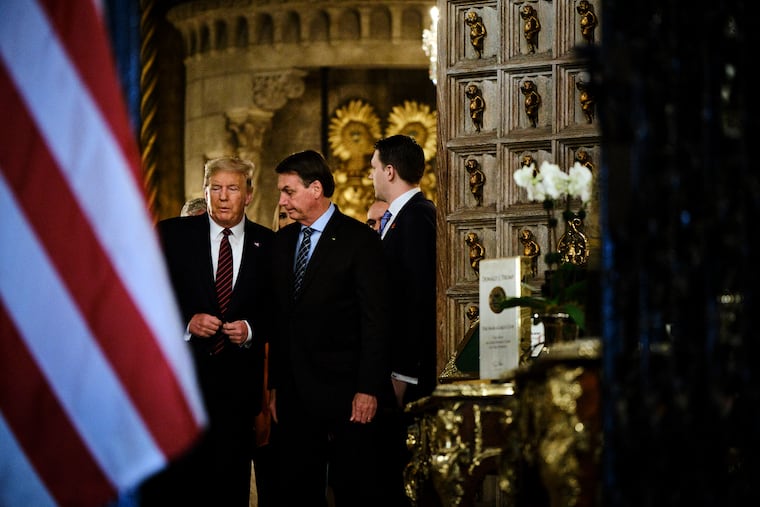
Trump has campaigned against offshore wind for more than a decade, eventually losing a battle to stop a farm from being built off the coast from a golf course he owns in Scotland in 2015. He has called turbines ugly, expensive, and dangerous to animals, though offshore wind proponents say those concerns are unfounded and that stopping any energy projects will only make electricity prices surge further.
The settlement introduces a new strategy in the Interior Department’s long-running battle to stop offshore wind. The department has also issued stop-work orders for the five fully permitted offshore wind projects already being built, although all won court injunctions earlier this year to allow construction to go forward.
The settlement agreement will pay TotalEnergies to return its two offshore wind leases to the federal government, the Interior Department said in a statement. The company, which bid for the leases under President Joe Biden, “has pledged not to develop any new offshore wind projects in the United States,” the department said.
“We’re partnering with TotalEnergies to unleash nearly $1 billion that was tied up in a lease deposit directed towards the prior administration’s subsidies that were pushing expensive, weather dependent offshore wind,” said Interior Secretary Doug Burgum, speaking to reporters Monday at CERAWeek by S&P Global, an energy industry conference in Houston.
“We’re allowing this great company to redirect those dollars that have been paid into the Treasury to affordable, reliable, and secure oil and natural gas production in the U.S.”
TotalEnergies will instead invest the $928 million from the wind leases in a liquefied natural gas facility in Texas, shale gas production, and oil drilling.
The company’s two offshore wind projects — called Attentive Energy and Carolina Long Bay — were still in the planning stages, having yet to be fully permitted, and far from being built. Last year, the Interior Department had stopped all additional federal permits for renewable energy projects, leaving the vast majority of offshore wind projects dead in the water.
The department based the stop-work orders on national security concerns, flagged in a classified report by the Defense Department that has not been made public.
“I will not argue with secretary about national security concerns. It’s not our job,” Patrick Pouyanné, chairman and chief executive officer of TotalEnergies. “It’s not up to us to argue with the state.”
Pouyanné, also speaking at CERAWeek, added: “In the situation of the U.S., where you have huge amount of resources, huge amount of land to produce electricity, offshore wind is not the most affordable way to produce electricity.”
Pouyanné said the company had proposed the idea of the settlement that would redirect its investments toward gas last summer.
Offshore wind lobby group Turn Forward said the decision to stop the TotalEnergies projects threatens American energy security.
“The conflict in Iran underlines the importance of having different energy options at your disposal when unexpected events occur,” Turn Forward Executive Director Hillary Bright said in a statement. “Offshore wind is showing its effectiveness in the U.S. every day and presents a near-term, cost-effective solution to help power the East coast.”