More Philadelphians would get assistance to pay rising water bills under a plan passed by City Council
Others would see higher water bills to pay for the expanded assistance under unanimously approved legislation.
More Philadelphians struggling to pay their water bills would be able to apply for help under new legislation from City Council.
Others would see higher water bills to pay for the plan.
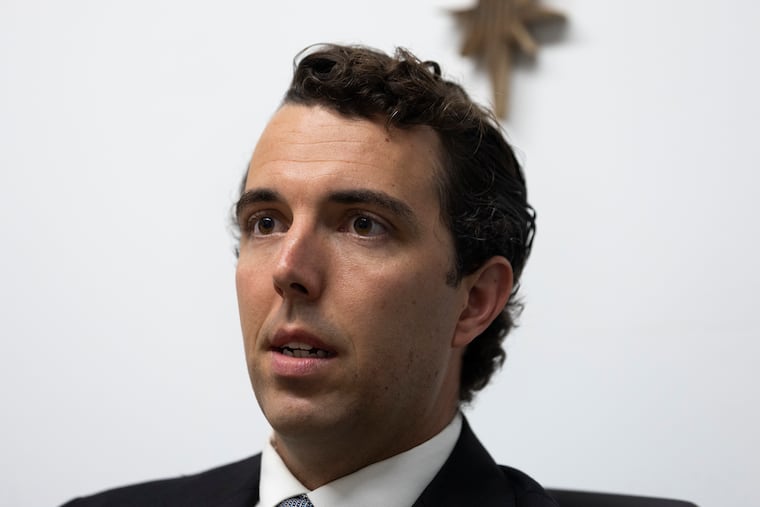
The unanimously approved legislation, introduced by District 3 Councilmember Jamie Gauthier, expands who is eligible for the Philadelphia Water Department’s tiered assistance program. The program gives people a fixed, income-based monthly payment, offers debt forgiveness for some past-due water bills, and protects residents from having their water shut off.
“Without running water, our constituents can’t wash their hands, clean dishes, or prepare food,” Gauthier said during a Council meeting Thursday. “It’s unsafe, unsanitary, and unacceptable.”
Currently, people earning up to 150% of the federal poverty line qualify for the program. Under the new rules, households earning up to 200% of the poverty line would qualify, Gauthier’s office said. This means a single person earning $31,920 would be eligible; so would a family of four earning up to $66,000, per federal data.
Households earning up to 300% of the federal poverty limit would qualify for structured payment plans, rather than having to pay off the past-due amount all at once, Gauthier’s office said.
Another provision protects people from receiving surprise bills from the water department as a result of past errors in calculating water usage. Gauthier said one of her constituents had gotten an $8,000 water bill after having an old water meter replaced in her new home.
“For too long, this city has made residents pay for faults in government infrastructure,” Gauthier said.
The legislation comes after a 9.4% water rate increase last September and with a 5.5% rate increase set to take effect this year, Gauthier’s office said. The average bill is currently $89.42 per month.
“At the same time, nearly half of renter households are cost-burdened, spending more than they can afford on housing,” the Council member’s office said in a news release.
About 42,000 households used the tiered assistance program in 2024, Gauthier’s office said, and thousands more would be eligible with the new law.
City Revenue Commissioner Kathleen McColgan estimated that 70,000 households may use the tiered assistance program next year. On average, each household would save $63 per month.
To pay for these subsidies, however, increased costs would have to be passed on to everyone else who lives in the city, McColgan said.
“This is because the anticipated revenue loss to the Water Fund would need to be restored,” McColgan said during a June 2 meeting of City Council’s Transportation and Public Utilities Committee. “Any expansion of the TAP [tiered assistance program] population would further reduce the non-TAP population, increasing cost‐recovery pressures and amplifying rate impacts."
McColgan said residents are already paying $2.10 per month to subsidize others. She estimated that this would rise to above $5 per month under the new law.
McColgan estimated that the water department would need to recoup between $22.1 million and $127.6 million over the next five years, mostly because of the 200% eligibility rate.
“We recognize this is a large range, but this range reflects the anticipated number of new TAP enrollees to be between 4,000 and 40,000,” McColgan said.
The legislation goes to Mayor Cherelle L. Parker, who can sign the two bills into law, veto them, or let them become law without her signature. If she were to veto, Council could override it with a two-thirds vote. Parker’s office did not respond to a request for comment Friday.