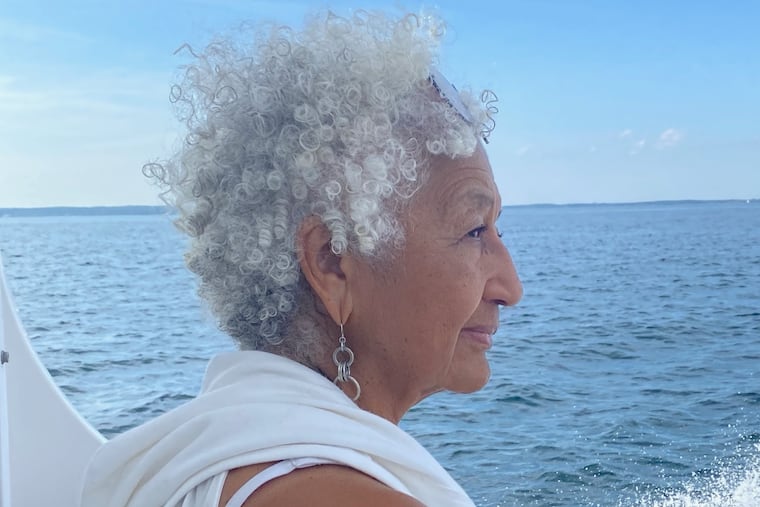
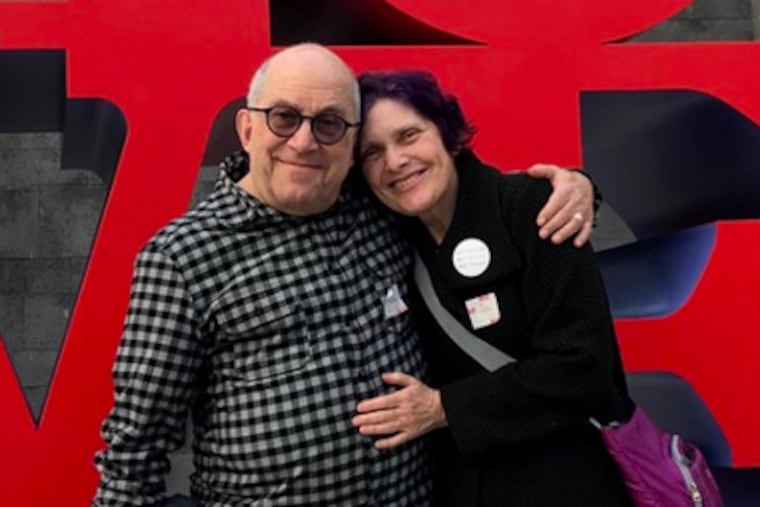
Kitty Bruce, caretaker of Lenny Bruce’s legacy, dies at 70
She helped preserve the legacy of her father, Lenny Bruce, a countercultural comedian in the 1950s and ’60s
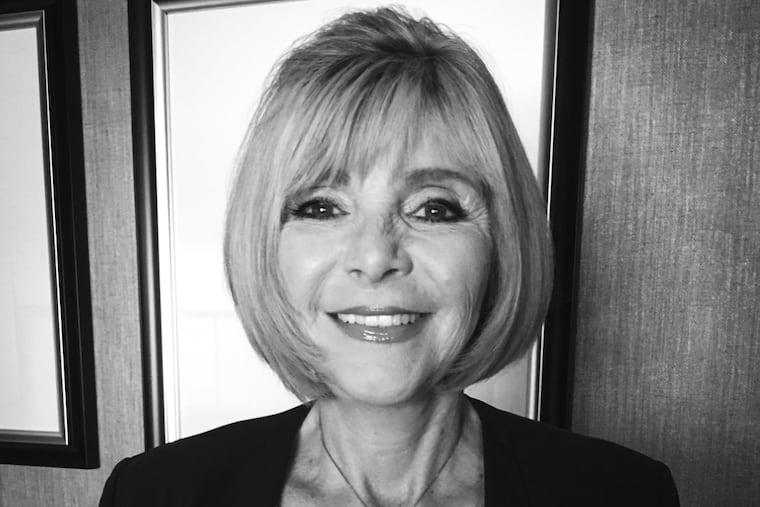
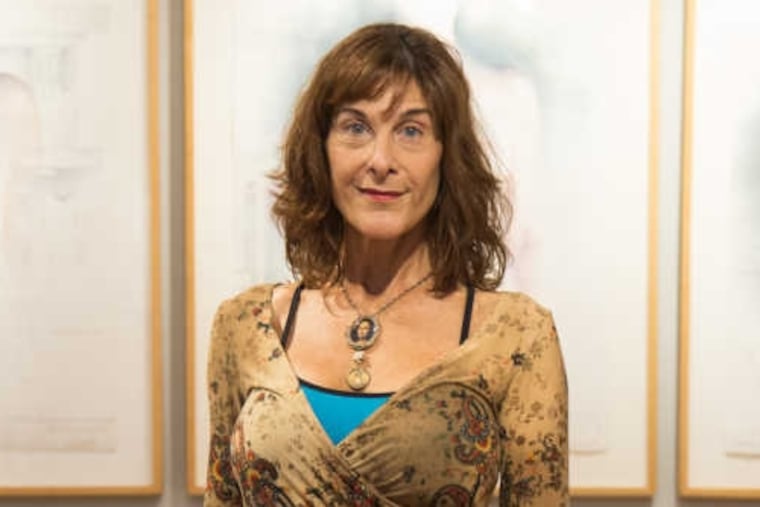
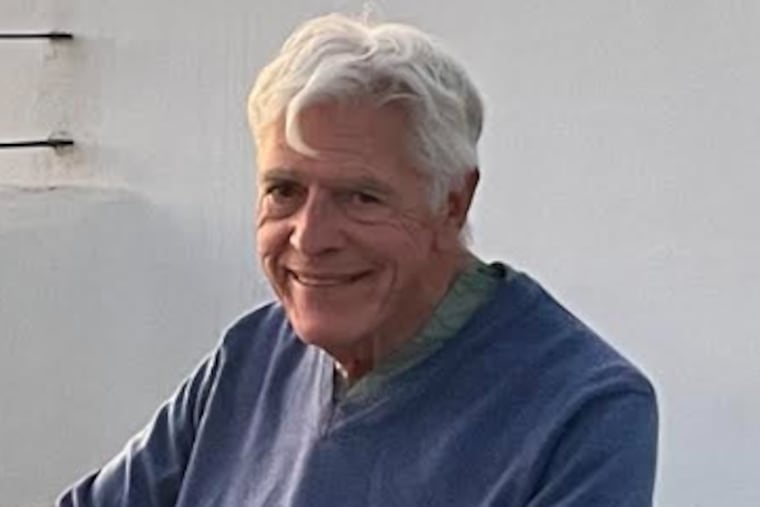
Kitty Bruce, who helped preserve the legacy of her father, Lenny Bruce, the countercultural comedian whose satirical, political, and scatological stand-up routines in the 1950s and ’60s pushed hard against the boundaries of the First Amendment, and led to a much-debated criminal conviction for obscenity, died May 13 in Wilkes-Barre, Pa. She was 70.
Her death, in a hospital, was caused by complications of double knee replacement surgery, according to her cousin Jennifer Coleman Hesson. For more than 35 years, Kitty Bruce had been living in Pittston, Pa., where she first underwent treatment for drug and alcohol abuse. She had been sober for 20 years.
Bruce, whose father died of a drug overdose in 1966, when he was 40 and she was 11, established an archive of his life and work at Brandeis University in Massachusetts. She also backed the successful effort for a governor’s pardon of his obscenity conviction; was a producer of a boxed set of his performances, interviews, phone conversations and other private recordings; and ran a foundation to help people achieve and sustain sobriety.
In the attic of her home in Pittston, Bruce kept boxes packed with audio and videotapes of her father’s life both onstage and off, material she helped cull for the boxed set and gathered in full for his archive at Brandeis, which acquired her collection in 2014 with help from a grant from the Hugh M. Hefner Foundation.
“Safeguarding her father’s legacy was a strong focus for her,” Sarah Shoemaker, associate university librarian for archives and special collections at Brandeis, said in an interview. “Researchers, scholars, students, and documentary makers look at the material quite frequently.”
In 2016, Brandeis hosted a two-day conference, “Comedy and the Constitution: The Legacy of Lenny Bruce,” that examined his career, which paved the way for other rule-bending comics such as George Carlin, Richard Pryor, Chris Rock, Margaret Cho, and Dave Chappelle.
“We need more Lenny Bruces,” Kitty Bruce said at the conference. “Be fearless. He fought with all his might and believed his First Amendment right would prevail.”
Brandie Kathleen Bruce was born Nov. 7, 1955, in Miami to Lenny Bruce, who was born Leonard Schneider, and Harriett (Jolliff) Bruce, who worked as a stripper under the name Hot Honey Harlow.
As an infant, Kitty was the subject of a custody fight between her parents that ended when her mother was sent to prison for violating her parole on a drug conviction. Her father gained custody, but he eventually sent Kitty to live with his mother, comedian Sally Marr. As a young girl, she also lived with her aunt, uncle, and cousins in Michigan. The Bruces’ marriage ended in 1957.
Kitty Bruce later recalled the pall cast over her childhood by her father’s much-publicized arrests on drug and obscenity charges. “The kids said, ‘My mother says I’m not allowed to talk to you because your daddy’s bad and has a filthy mouth,’” she told the Columbian, a newspaper in Vancouver, Wash., in 1995.
She worked over the years as a nurse’s aide, vocal coach, and singer, opening in the 1980s for Carlin and the Manhattan Transfer, and fronting for a rock band.
One of her earliest efforts at preserving her father’s work was in the 1980s. The Almost Unpublished Lenny Bruce: From the Private Collection of Kitty Bruce (1984) was a scrapbooklike hodgepodge of archival material.
In the early 2000s, Bruce and her mother were among those who wrote letters in support of a petition to New York Gov. George Pataki to pardon her father for his misdemeanor obscenity conviction over his “indecent” performances at the Cafe Au Go Go nightclub in New York City in the spring of 1964.
After Pataki granted the pardon in late 2003, Bruce told the New York Times: “Isn’t this wonderful? Isn’t this a great day in America?”
The following year, Lenny Bruce: Let the Buyer Beware, a six-disc boxed collection, which spanned his life and work from 1948 to 1966, was released.
“A lot of people fought my father,” she told the Buffalo News in 2004. “They just didn’t understand what he was doing onstage. No matter what they did, he wasn’t going to stop doing it.”
In 2008, Bruce formed the Lenny Bruce Memorial Foundation to help substance abusers remain sober after treatment. For a few years, she ran Lenny’s House, in Pittston, a sober living recovery home for women that provided residents with treatment, counseling, and life skills training. Since the facility’s closing, the foundation has provided scholarships for men and women to be treated for addiction and learn how to maintain their sobriety.
“I thought my father should be remembered and his legacy should be something that should change lives and make the world a better place,” she told No Recess! magazine in 2019.
She broke off her engagement to comedian and TV star Freddie Prinze in the mid-1970s. A common-law marriage with Robert Akulonis ended with his death in 2002. She leaves no immediate survivors.
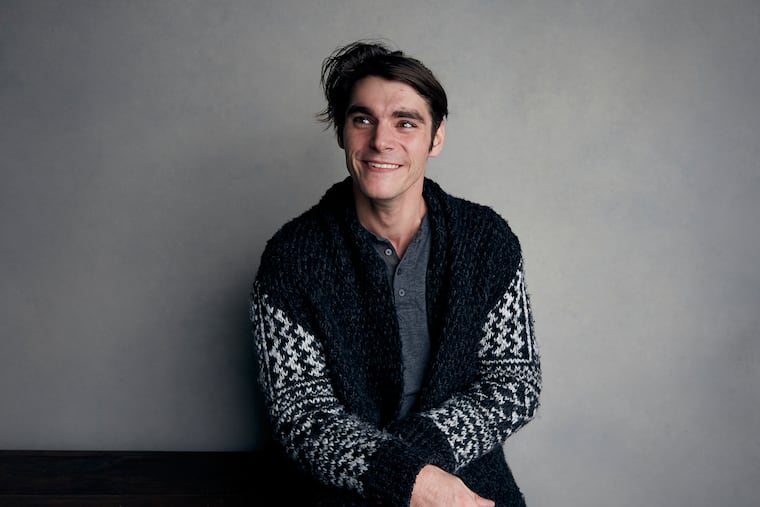
Lenny Bruce’s comedy continues to resonate. In 2017, Ronnie Marmo, an actor, debuted his one man show, I’m Not a Comedian … I’m Lenny Bruce, about the stand-up’s life; to earn Kitty Bruce’s approval, he recorded some of his rehearsals and sent them to her.
“She wouldn’t give critiques, per se,” he said in an email. “It was more of a stamp of approval. She would always thank me for being authentic, honest and compassionate with her dad’s life.”
When The Marvelous Mrs. Maisel, an Amazon sitcom chronicling a young mother’s rise as a 1950s stand-up comedian premiered, also in 2017, Lenny Bruce was a recurring character played by Luke Kirby. (Four decades earlier, Kitty Bruce, her mother, and her grandmother had been advisers on the production of Lenny, the 1974 biopic starring Dustin Hoffman.)
In 2017, as well, Lenny Bruce’s material once again ignited a debate over free speech — this time at Brandeis, over a proposed staging of the playwright Michael Weller’s Buyer Beware, which the school had commissioned. Weller had studied his work in the school’s archives, and in the play, a contemporary Brandeis student’s attempt to perform a Lenny Bruce routine on campus faces student protests.
The school postponed the production after complaints by some teachers and students over its depiction of Black characters and the Black Lives Matter movement. Kitty Bruce; the Foundation for Individual Rights in Education, a free speech group; and others signed an open letter to Ronald Liebowitz, Brandeis’ president, accusing the school of censorship. Weller, in the end, withdrew the play.
“My father is still talking,” Bruce told the Times in 2018. “The fights are different, but the message is the same.”
This article originally appeared in the New York Times.