Chronic absenteeism is telling us something else about school
Attendance won’t rebound with robocalls. It rises when school feels safe, meaningful, and connected to real work.
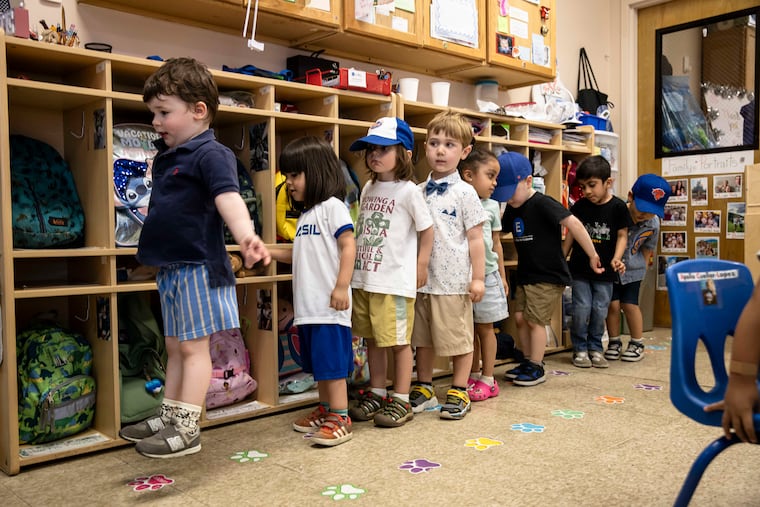
The Philadelphia School District is stuck in a bleak loop: It needs students in classrooms to learn, yet too many classrooms aren’t fit for learning.
This summer, federal prosecutors charged the district with failing to conduct required asbestos inspections. In recent years, multiple buildings have closed due to exposure, disrupting instruction and rattling families. With billions in deferred maintenance on the ledger, asking families to send kids back anyway is a hard sell.
Yes, chronic absenteeism dipped last year. But nearly one in three students still missed enough school to fall behind, and in some neighborhood high schools, the rate is far higher. At three high schools — Kensington, Overbrook, and Olney — chronic absenteeism approached 70% in 2023-24. The pattern wasn’t born of the pandemic — it reflects the decades of disinvestment in schools.
The default response is familiar: phone calls, warning letters, attendance ambassadors. These initiatives treat absenteeism as the disease rather than the symptom.
Where school feels relevant, students show up. At selective schools like Julia R. Masterman, attendance is predictably high. The buildings are safer, resources are richer, and the link between today’s work and tomorrow’s opportunities is visible.
Make that equation true everywhere, and absenteeism will fall.
But even daily attendance isn’t proof of thriving.
National surveys show that teen anxiety, stress, and depression are widespread. When school feels like endless prep for an uncertain future, motivation erodes. Three-quarters of students have negative feelings about high school.
Engagement follows relevance. And relevance comes from doing work that matters now.
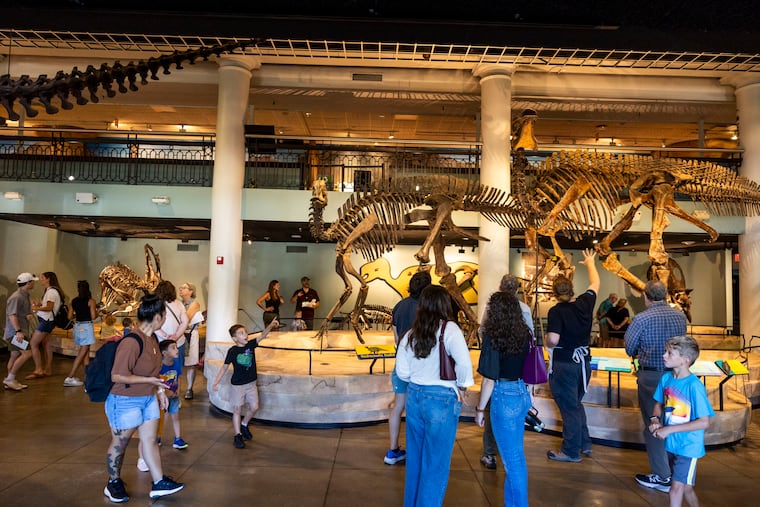
There may already be a blueprint. The Science Leadership Academy partners with the Franklin Institute, for example, and every ninth grader spends Wednesdays embedded in the museum. Through SLA’s individualized learning program, students also intern across the city (including at the institute), turning Philadelphia into their classroom.
Absence is a message. Students don’t need more reminders; they need reasons to show up.
That’s the promise of the city’s community schools, as well: pair academics with health and social supports, and connect students to real projects with university and industry mentors.
At George Washington High School, a University of Pennsylvania architecture program did exactly that. After building scale models with professionals, a student, Rukhshona, put it simply: “I want to help design homeless shelters around here … I want to help out.”
That’s purpose. Students show up for purpose.
When districts support this kind of learning, attendance rises as a byproduct. But if support is pulled, even the most compelling programs wobble.
The Workshop School — a project-based model that once reported strong attendance — has struggled as institutional backing thinned. Chronic absenteeism rates jumped from 22% to 54% in one year. Vision is not enough. Innovation needs time, staffing, transportation, space, and an adequate budget.
Critics will say absenteeism is about expectations and enforcement, not internships. Clear norms do matter: early outreach, consistent follow-through, consequences that are fair and known in advance. But these initiatives move numbers at the margins.
What really moves students is feeling needed — by their peers, by their city, by real audiences waiting on their work.
Expand these programs and solve two problems at once. Remediate facilities and ease overcrowding by relocating cohorts to partner spaces on scheduled days — libraries, museums, community centers, universities. SLA showed it’s doable when construction delays pushed classes into district offices. Make that flexibility policy, not improvisation.
Guarantee one to two days a week of supervised, credit-bearing, place-based learning for juniors and seniors — conservation, culinary, media, finance, public health, civic problem-solving. Partner with organizations like Upward Bound or AmeriCorps. Cover transportation and pay a modest stipend so students know it’s real work.
Update what we count. Move beyond seat-time tallies; award credit for documented work hours, internships, and family caregiving — paired with academic reflections and supervisor verification. Older students juggle jobs and obligations; align school to that reality.
None of this lowers standards; it raises them. It puts academics in context — in offices, kitchens, clinics, and parks — so students see the why before the test asks for the how.
Partnerships won’t solve asbestos, but they can make repairs possible. More importantly, they can make school worth the trip for students who have stopped seeing the point. If the district organizes learning around authentic community challenges — and funds the staffing, buses, and coordination to sustain it — students won’t have to be compelled to attend irrelevant classes in hazardous environments.
Absence is a message. Students don’t need more reminders; they need reasons to show up. Give them work that matters, and they will.
AJ Ernst worked as a teacher and administrator in Philadelphia for 13 years and holds a doctoral degree in educational leadership from the University of Pennsylvania’s Graduate School of Education.