AI is accelerating sexual violence. Pennsylvania is not keeping up.
Technology has enabled an epidemic of online abuse through the manipulation and posting of fake images. But the harm is all too real.

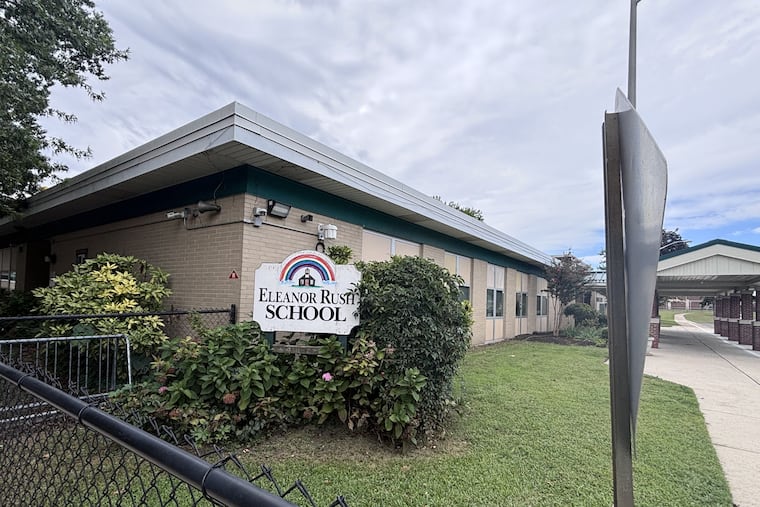
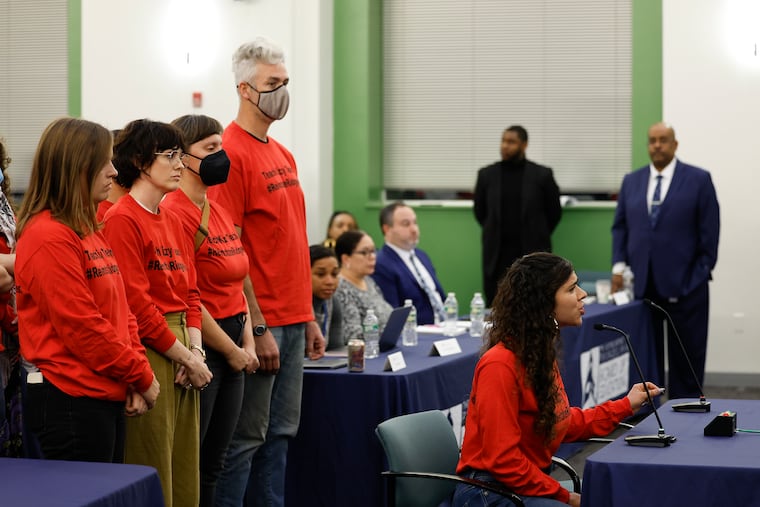
In a Lancaster County courtroom last year, dozens of teenage girls took the stand and described what it felt like to see explicit photographs of themselves — photos that were “deepfakes,” artificial images generated by a computer program.
Boys at Lancaster Country Day School used artificial intelligence tools to generate pornographic photos of their classmates, pulling pictures from social media and school materials and feeding them into software that did the rest. Prosecutors say at least 59 girls were targeted. In court, victims described anxiety, humiliation, panic attacks, and the quiet, persistent loss of feeling safe anywhere.
“There is nothing fake about the harm it causes.”
This happened here. It is happening now. And it will keep happening, because the technology enabling it is accelerating far faster than the systems built to help survivors.
It’s abuse
We need to say plainly what AI-generated sexual exploitation is: It is abuse. Not a prank. Not a gray area because no physical contact occurred. Not less serious because a computer was involved. The United Nations Children’s Fund (UNICEF) has been unequivocal: “There is nothing fake about the harm it causes.”
What used to require technical skill and opportunity now requires a photo, a phone, and a few minutes. A classmate’s yearbook picture. A social media post. Software that anyone can access. That is all it takes to destroy someone’s sense of safety, their reputation, and their ability to walk into a room without fear. The girls in Lancaster didn’t experience something lesser because screens were involved. They experienced sexual exploitation. And they are not alone.
Barriers collapse
The scale of what is happening is difficult to absorb. In 2025 alone, analysts identified 3,440 AI-generated child sexual abuse videos, up from just 13 the year before. That is a 26,000% increase in a single year. Law enforcement is now arresting nearly 1,000 offenders and safeguarding more than 1,200 children every month in connection with online sexual abuse.
Networks sharing AI-generated deepfake nudes have spread across thousands of users, and schools worldwide are dealing with deepfake sexual harassment targeting both students and teachers.
» READ MORE: Between Grok, Trump, and RFK Jr., it’s a dangerous time to be a child in America | Opinion
Sextortion has evolved, too. Perpetrators are now using AI-generated images to threaten and control victims, including people who never shared an intimate image in the first place. The threat no longer requires previous access or opportunity. It requires almost nothing.
The violence is evolving faster than our response. Technology has fundamentally changed how sexual violence happens. It has not changed what survivors need when it does. Sexual assault centers across Pennsylvania were already navigating more complex cases before AI entered the picture. Then AI arrived and made it all faster, cheaper, and more widespread. The caseload grew. The complexity grew. The funding did not.
State funding for rape crisis services has sat at $11.92 million for six years. The $250,000 increase last year barely registers against rising demand, inflation, and the expanding nature of harm. Federal funding to support crime victims is declining. Flat funding is not neutral. When costs rise and cases grow more complex, flat funding is a cut, landing exactly when survivors need more support, not less.
Pennsylvania can act
Rape crisis centers across this state are at capacity. Prevention programs that once brought trained educators into schools have been quietly cut or scaled back. Training that would help therapists, educators, and legal advocates respond to AI-facilitated harm has gone unfunded. These centers keep showing up, but the system supporting them is starting to crack.
The organization with which we work, the Pennsylvania Coalition to Advance Respect, is calling for a $12.5 million increase to the rape crisis line item in this year’s state budget. That funding would allow centers in all 67 counties to restore prevention programs that reach young people before harm occurs, train frontline staff to respond effectively to AI-facilitated abuse, and build the infrastructure to keep pace with how sexual violence is evolving.
If we want to change what is happening in our schools and communities, we have to invest in the people already doing the work. The advocates. The therapists. The educators walking into classrooms every day, trying to get ahead of something moving faster than anyone anticipated.
Pennsylvania has the chance to be that system. The question is whether we will act before more survivors find out we aren’t.
Yolanda Edrington is the CEO of Respect Together, the national organization that unifies the work of the Pennsylvania Coalition to Advance Respect (PCAR) and the National Sexual Violence Resource Center. Joyce Lukima is the COO of Respect Together and director of PCAR, leading the coalition’s work to end sexual violence across all 67 Pennsylvania counties.

Inquirer Opinion Newsletter