Trump won’t create safeguards for AI, so Pa. legislators must
It has taken two decades for society to reckon with the lessons we wish had been taken more seriously from the start. AI chatbots currently operate without adequate safety guardrails.

Artificial intelligence is here to stay, and its influence across nearly every industry and aspect of society is expanding at a breathtaking pace.
While AI offers clear benefits for business, government, and personal life, there is currently a troubling lack of safety protocols and consumer protections. Our country has learned hard lessons from allowing business and industry to regulate themselves. We cannot afford to take a wait-and-see approach when it comes to the absence of meaningful guardrails for AI technology.
The revolutionary potential of AI and its impact on business, government, and society is undeniable. This is a transformation on the scale of the automobile or refrigeration, and comparable to the technological revolutions brought by the internet and social media.
Just because we can do something doesn’t always mean we should.
These innovations have delivered remarkable benefits: fresh strawberries in January in wintry Pennsylvania were once unimaginable before refrigerated trucks; today, virtual business presentations save both time and money by eliminating hours of travel for participants.
On the flip side, we have building safety codes, automobile seat belt laws, and prohibitions on using cell phones while driving for very good reasons. Similarly, with social media, it has taken two decades for society to reckon with the lessons we wish had been taken more seriously from the start.
Just because we can do something doesn’t always mean we should. This is precisely why safety regulations are critical.
To put the scale of AI companionship technology — commonly referred to as chatbots — into perspective, a comprehensive study conducted by the Wheatley Institute found that nearly one in three young adult men and nearly one in four young adult women have interacted with an AI companion, with 29% of those young men and 17% of those young women saying they prefer these digital relationships to human ones.
» READ MORE: Between Grok, Trump, and RFK Jr., it’s a dangerous time to be a child in America | Sabrina Vourvoulias
A recent Pew Research study found that 16 in 25 teens use chatbots, with 16% reporting they interact with them several times a day. Another study, by Common Sense Media, revealed that 17% of teens (approximately 2.94 million) use AI programs for romantic relationships or friendships, while 12% (about 2.08 million) turn to them for emotional and mental support.
In today’s digital age, people are seeking companionship in new places. Many are turning to chatbots to fill an emotional void, but no amount of programming can replace genuine human interaction and intervention. AI chatbots currently operate without adequate safety guardrails, a gap that has tragically contributed to several deaths. Wrongful death lawsuits claim these AI systems failed to prevent harm and, in some cases, may have even encouraged it.
Innovation and consumer protection are not mutually exclusive.
Examples of intentional government oversight and consumer protections exist across every industry and innovation. We’ve learned painful lessons from lead in paint, the importance of smoke alarms in public buildings, and toxic chemicals in our food and water supply.
Thanks to regulations, substances like chalk and embalming fluids are no longer found in the milk at your local grocery store. As AI technology continues to advance, society is reaching a bipartisan consensus: Government must step up to protect citizens.
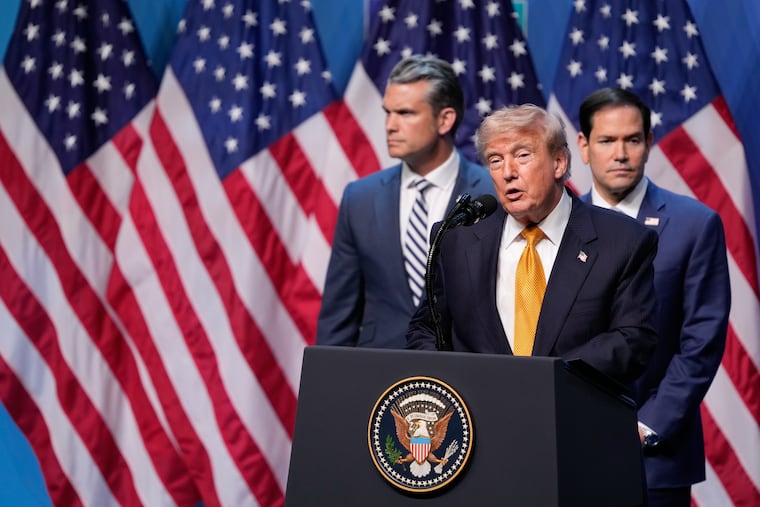
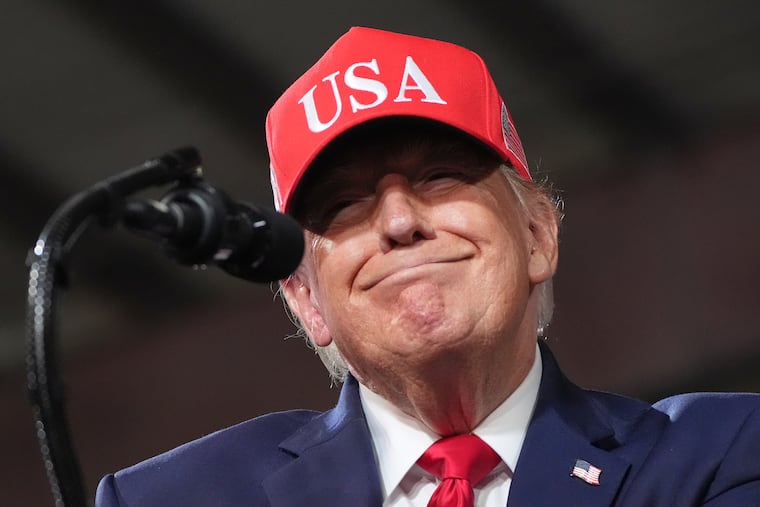
Last month, President Donald Trump issued an executive order attempting to prevent states from enacting their own AI regulations. While he claims state-level oversight will stifle innovation, this raises the question of whether his priority is American citizens or big corporations. Innovation and consumer protection are not mutually exclusive; we can and must achieve both.
Yet, the president is ignoring the urgent need for commonsense federal safeguards in what some are calling the “Wild West” of AI. In the absence of federal action, state legislators must step in to fill the gap. We have heard the call. And we are taking action.
For my part, I’m currently working in the Pennsylvania House of Representatives on three AI technology bills:
House Bill 2006 would create safety protocols for AI companionship applications.
House Bill 1993 would regulate the use of AI for mental health services.
And I will soon introduce a bill centered on consumer protections for AI chatbots.
While many people are finding helpful ways to incorporate AI companionship chatbots into their daily routines, far too many children and adults are forming unhealthy emotional attachments and experiencing alarming interactions.
My proposed safety protocols would require, among other measures, referrals to mental health and suicide resources, and clear reminders that AI companions are not real humans.
My bill on AI and mental health will ensure AI cannot be used as a substitute for professional therapy. Regarding consumer protections, I am committed to guaranteeing that residents of our commonwealth benefit from transparency and strong privacy safeguards for their data.
Pennsylvania has long been a leader in state-level consumer financial protection and technological innovation. Now, as AI rapidly advances, I am determined to step up and provide commonsense safety guardrails. I urge my fellow state legislators to join me — our residents are counting on us.
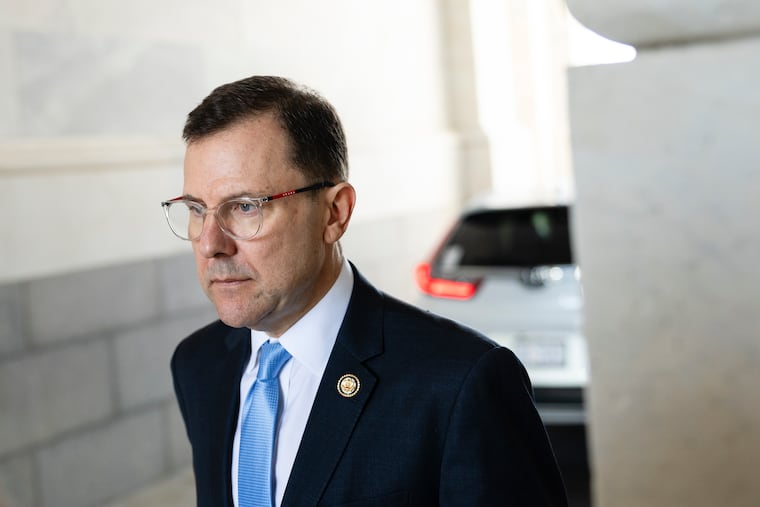
Melissa L. Shusterman is a Democratic member of the Pennsylvania House of Representatives for the 157th District, located in Chester County. She was elected in 2018.

Inquirer Opinion Newsletter