Why our brains treat AI like people and our laws don’t
Western legal systems are deeply rooted in Roman tradition. This tradition divides the world cleanly into binaries like persons vs. things, but our minds don’t do this.
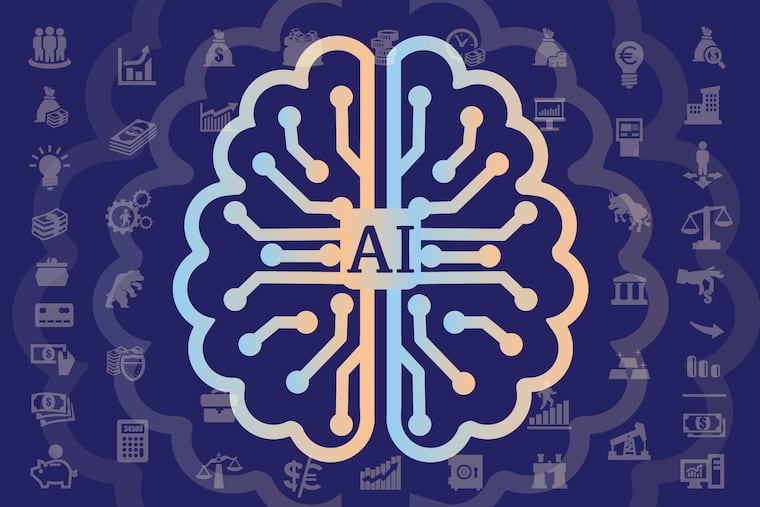
It’s been nearly four years since Google engineer Blake Lemoine was fired after claiming the company’s own chatbot was showing signs of sentience. When the headlines broke, the collective reaction was surreal, yet also familiar: Was AI conscious?
Since then, what was once a speculative, almost dreamy, research question has become a relentless, financially supercharged global race. In the pursuit of artificial general intelligence (AGI), breaking new benchmarks, and securing an international (and domestic) competitive advantage, we have lost sight of the more immediate corollary problem: We are building machines that our brains treat as people, and our legal systems are not prepared.
This March, Anthropic published a survey in which more than 80,000 users worldwide described artificial intelligence as a coworker, a teacher, and sometimes as a source of emotional support when no one else was available. A study by Harvard Business Review found that even at work, people turn to AI for personal support in conversation, friendship, and emotional validation.
Whether you believe AI is conscious or not, people are already treating it as so. Why?
The answer may lie in how our brain works.
Every day, our brains follow scripts. When we walk into a restaurant, we know how it goes: enter, wait, order, pay. At an airport, we check in, pass security, board, and sit. Over the past decade, my research has explored how the brain represents these familiar scenes, what we call “schemas,” to navigate the world. These schemas guide our behavior in social situations, including conversations. So when something speaks to us, responds to us, and remembers us, it is not surprising that we treat it as a social partner.
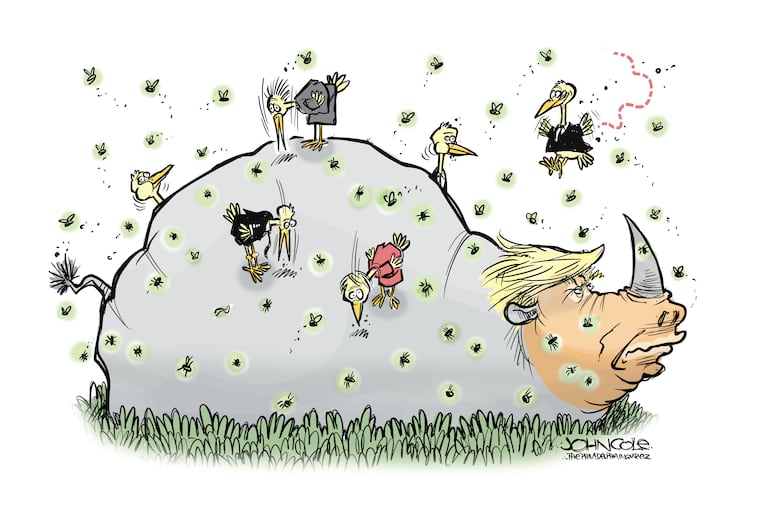
We are wired to anthropomorphize. The brain has specialized pathways for processing faces and social information. How many times do you see a face when you stare down a power outlet? This response is quick and difficult to suppress, and recent work shows that some people have a bias to perceive social interactions even in randomly moving shapes.
In other words, we look for life in things that aren’t alive.
There’s a gap between our psychology and our laws. As scholars like David Gunkel have pointed out, Western legal systems are deeply rooted in Roman tradition. This tradition divides the world cleanly into binaries like persons vs. things, but our minds don’t do this. We assign social status more fluidly to both the living and nonliving. A thing can also feel like a person. Our AI chatbot becomes our coworker, our counselor, and maybe even our friend.
Historically, legislation has been able to blur the line between person and thing. Legal theorist Josh Gellers argues that animals, corporations, and even rivers have been granted legal personhood not because they are people, but because doing so helps societies govern complex relationships.
Internationally, rivers and natural ecosystems have been granted personhood to support environmental protection, allowing their interests to be represented in court. These cases are rare. Unfortunately, current legal frameworks in the United States are poorly equipped to accommodate a world where entities, like AI, are increasingly occupying a gray zone between both person and thing.
Some states have already taken a side.
In 2024, Utah passed legislation banning any inanimate object, including AI systems and bodies of land or water, from being granted legal personhood. Similar efforts are making their way through other state legislatures. In the future, overarching laws like these may clash with how humans naturally perceive and relate to increasingly humanlike entities.
AI is here, and will continue to integrate into our homes, workplaces, and relationships.
Romantic relationships with AI and emerging reports of “AI psychosis” are on the rise, with clinicians documenting cases where chatbots reinforce delusions and, in some cases, contribute to psychological crises. Recent lawsuits allege that chatbot interactions played a role in school shootings at home and abroad. Robots for the elderly are also entering care systems around the world at an increasing pace, driven, in part, by aging populations. Korea and Japan are leading the way.
Our movement through the world is physical, mental, and, most importantly, social. Our laws, however, make a simple distinction between persons and things.
In Philly, robots have been moving on our streets with the legal status of pedestrians. That’s a good start.
Although it may sound bizarre to imagine granting a robot “rights,” some new legal category may become necessary. We should start deciding what that category looks like now, before companies or the next crisis decides for us.
Rolando Masís-Obando is a neuroscientist at Johns Hopkins University. He received a doctorate in computational neuroscience from Princeton University and a bachelor’s in molecular, cellular, and developmental biology from Yale University.

Inquirer Opinion Newsletter