Fatigue is still a safety risk for air travel
Even under normal conditions, irregular schedules, undiagnosed sleep disorders, and lifestyle factors contribute to fatigue-related errors by air traffic controllers.
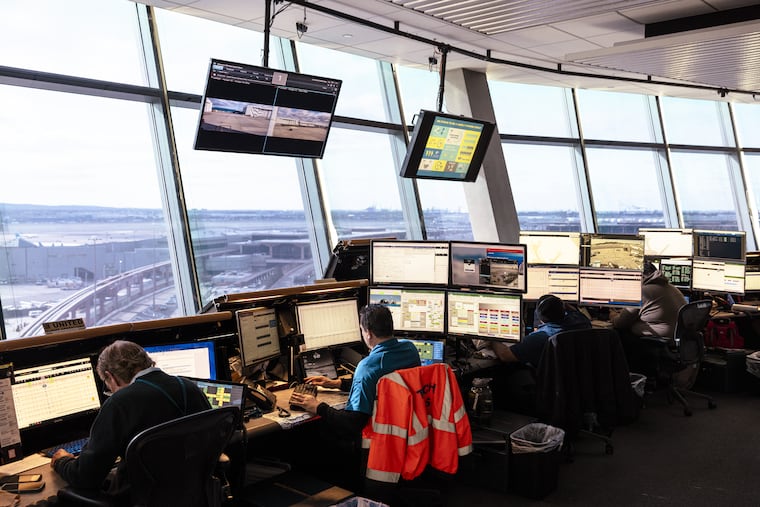
Even with the longest government shutdown in American history over, it is crucial to recognize that the menace of fatigue and its impact on air travel safety remains a serious and ongoing threat.
Before the shutdown started on Oct. 1, air traffic controller staffing was below targeted levels, with many already working mandatory overtime and six-day weeks.
The signs of stress on the system appeared immediately, as flight delays due to staffing shortages were reported at major airports, including the temporary closure of an airport control tower, affecting over five million passengers.
These effects snowballed such that while just 11 flights were canceled between Oct. 1 and 29 because of controller staffing, the number surged to 4,162 between Oct. 30 and Nov. 9. Of those, 3,756 were between Nov. 7 and 9. To mitigate risk, an emergency order from the Federal Aviation Administration was issued, targeting a 10% reduction in flights at 40 high-traffic airports across the country.
As essential workers, air traffic controllers were required to work unpaid. Faced with mounting expenses, many workers took second jobs to cover their bills, cutting into their sleep. Others faced stress-induced insomnia from unpaid bills and job uncertainty. Overtime prevents recovery of sleep and increases fatigue-related error risk. Unsurprisingly, the White House warned that absenteeism among unpaid federal workers would increase.
Even under normal conditions, irregular schedules, undiagnosed sleep disorders, and lifestyle factors contribute to fatigue-related errors. Shutdowns amplify these dangers.
A NASA study found that 70% of air traffic controllers had nearly dozed off while actively working.
Air traffic controllers perform mentally demanding tasks requiring sustained vigilance. Controllers often work “rattler” schedules: five eight-hour shifts in four days, ending with a day shift followed by a night shift. These offer only 10 hours off between shifts, far too little for sleep recovery.
One night of sleep loss can significantly impair performance. A 2008 University of Pennsylvania study found that sleep-deprived Transportation Security Administration agents were less able to detect weapons in bags.
A NASA study found that 70% of air traffic controllers had nearly dozed off while actively working, and more than half of those who made operational errors cited fatigue as a contributing factor.
Critically, people often misjudge their own level of sleepiness. One landmark study found that people rate themselves as only moderately sleepy even when their cognitive performance has significantly declined. As a result, well-intentioned workers may unknowingly put lives at risk.
Sleepiness is not a minor inconvenience; it is a physiological condition that impairs judgment and performance.
Many mistakenly believe they can overcome sleepiness through willpower and dedication to a task. However, sleepiness is not a minor inconvenience; it is a physiological condition that impairs judgment and performance.
There is currently no real-time safety monitoring system in place that can determine whether an air traffic controller is fit for duty. The insidious effects of accumulated fatigue and stress may continue to linger long after the shutdown, as flight disruptions remain expected.
Even though the shutdown has ended, air traffic controller leadership must take active steps, including restricting overtime, monitoring signs of fatigue, and avoiding reliance on self-reported assessments of fatigue.
If necessary, airports should continue to scale back operations to allow workers time to rest. No one responsible for critical safety operations should be expected to perform under sustained, elevated fatigue levels.
Allowing exhausted and compromised workers on the job is a recipe for disaster. The safety of millions depends on acknowledging the real threat of fatigue and taking immediate action to prevent avoidable disasters from becoming a reality.
Jocelyn Y. Cheng is vice chair of the Public Safety Committee of the American Academy of Sleep Medicine.