With GOP’s Save Our Bacon Act, cruelty really is the point
A Farm Bill provision would devastate Pennsylvania’s pig farmers by stripping away humane practices our farmers have adopted, in favor of Midwestern farmers who still raise pigs in confinement crates.
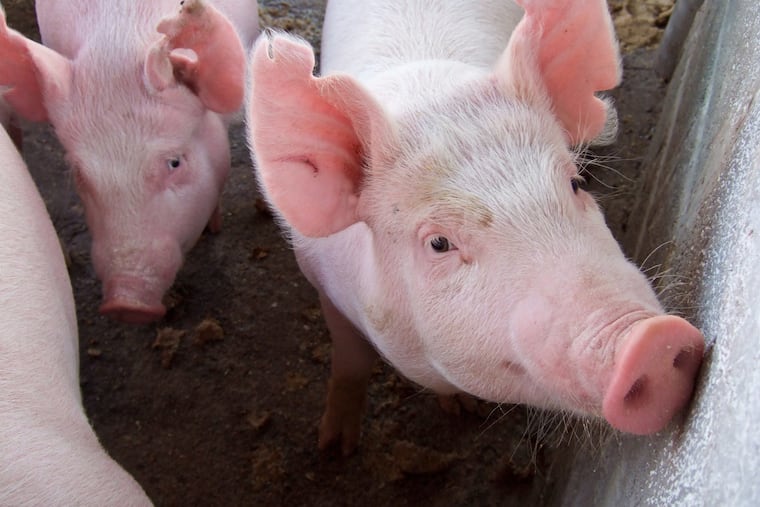
Pennsylvania is home to thousands of hog farmers who have spent years building something remarkable: a pork industry that is modern, humane, and thriving.
We have led the nation in moving away from outdated production practices, and we have been rewarded for it with access to growing markets in California and Massachusetts, stronger farms, and healthier animals. But a provision buried inside the recently passed House Farm Bill threatens to wipe all of that out. It is called the Save Our Bacon Act, and Pennsylvania’s pig farmers need to understand what is at stake.
The Save Our Bacon Act would do two things that should alarm every farmer in this state. First, it would nullify California’s Proposition 12 and Massachusetts’ Question 3: landmark laws that set humane standards for how pork is produced and sold in those states. Pennsylvania producers saw the opportunity, made the investments, and transformed their operations to meet those standards.
It paid off. Farmers who made the transition are earning premiums on their pork, capturing market share in two of the country’s largest states, and building more stable, profitable businesses than they had before.
Eliminating these laws overnight would pull the rug out from under Pennsylvania’s farmers who did everything right, and reward Midwest producers who never bothered to change.
The Save Our Bacon Act is really a save our crates act, propping up a system of cage confinement that voters and consumers have already rejected.
This is not a close call for the American public.
Our customers, the people buying pork at the grocery store, have made clear they will not accept animals confined in cages for months on end. Turning back the clock on a practice the public has already condemned is not farm policy. It is a retreat to a system that, once people saw it, they refused to accept.
Second, the Save Our Bacon Act would strip states of their authority to set their own agricultural standards.
That is not just a problem for animal welfare. It is a direct threat to Pennsylvania’s ability to protect its farms from disease. Our state has laws that agricultural officials use nearly every day to prevent and contain outbreaks of bovine tuberculosis, avian influenza, equine infectious anemia, chronic wasting disease, and more. The Save Our Bacon Act puts that authority and the health of our livestock at risk.
Here is what makes the Save Our Bacon Act so particularly cruel: Pennsylvania farmers have already done the hard work.
My family’s farm phased out gestation crates, cages that confine a mother pig during pregnancy so tightly she’s unable to even turn around for months on end. We gave our sows room to move and turn, and found that the pigs were calmer, healthier, and easier to care for. Veterinary costs dropped. Productivity improved.
According to the U.S. Department of Agriculture, 27% of U.S. hog producers are either already certified to meet California’s standards or are in the process of becoming certified. You cannot rip the rug out from under that many farmers, particularly here in Pennsylvania, where so many are located.
Eliminating these laws would upend years of planning and millions of dollars in improvements while punishing the very producers who did what consumers asked for.
Instead of supporting farmers, it hands power to Washington lobbyists and undermines producers who have already invested in modern, humane systems.
Moving our industry away from gestation crates has been cost-efficient, too.
Independent analysis shows pork prices in California rose roughly 9% since enforcement began, less than half the overall rate of food inflation. Oklahoma State University agricultural economist Bailey Norwood has stated plainly that there is no evidence California’s Prop 12 increased pork prices outside California, and no logical reason it would. Meanwhile, the premium Pennsylvania producers earn for certified pork offsets transition costs and protects us from market volatility.
The Save Our Bacon Act gets it exactly wrong. Instead of supporting farmers, it hands power to Washington lobbyists and undermines producers who have already invested in modern, humane systems. If these laws are eliminated, it is small- and medium-sized producers who suffer most. Big corporations can absorb the hit. Family farms cannot.
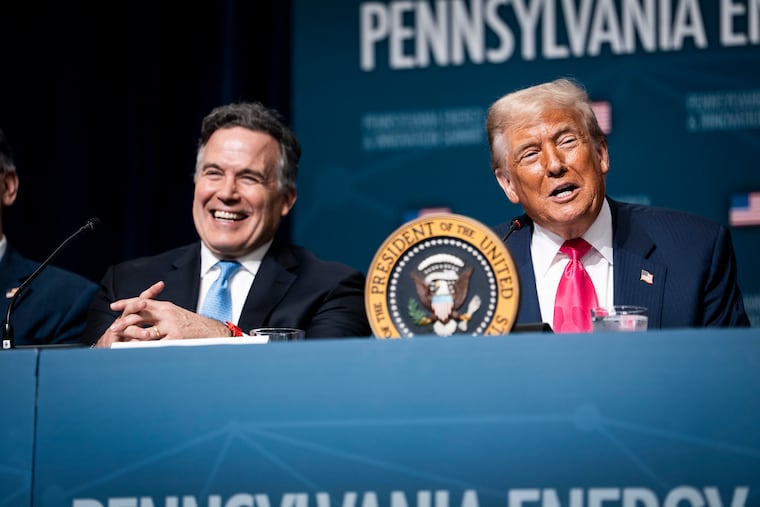
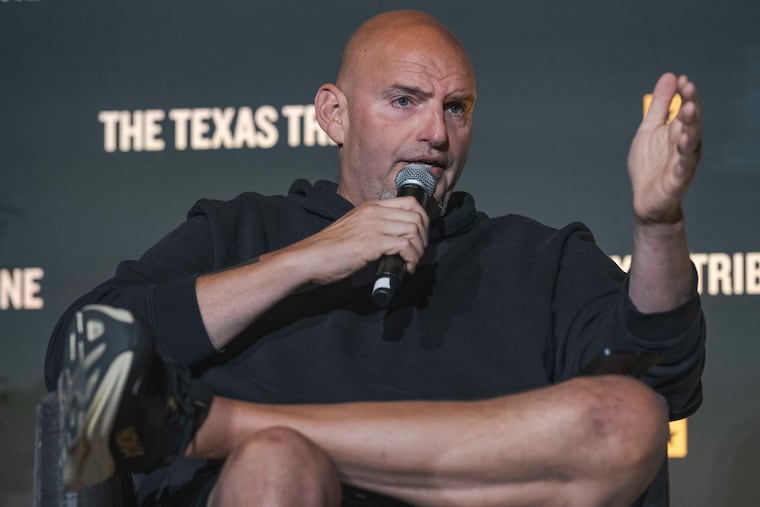
Pennsylvania pork producers are depending on Sens. Dave McCormick and John Fetterman. We are asking both to oppose any Farm Bill that contains the Save Our Bacon Act. Our farms, our livelihoods, and the markets we have worked years to build are on the line.
Stand with Pennsylvania’s farmers, not with the corporate lobbyists trying to take away what we’ve earned.
Brent Hershey is an integrated hog producer in Pennsylvania.

Inquirer Opinion Newsletter