In Philly, Medicaid and SNAP cuts will be big — but not beautiful
Roughly a third of city residents rely on Medicaid and SNAP benefits. They are not abstract budget numbers. They are policy decisions that will impact the health and dignity of our neighbors.
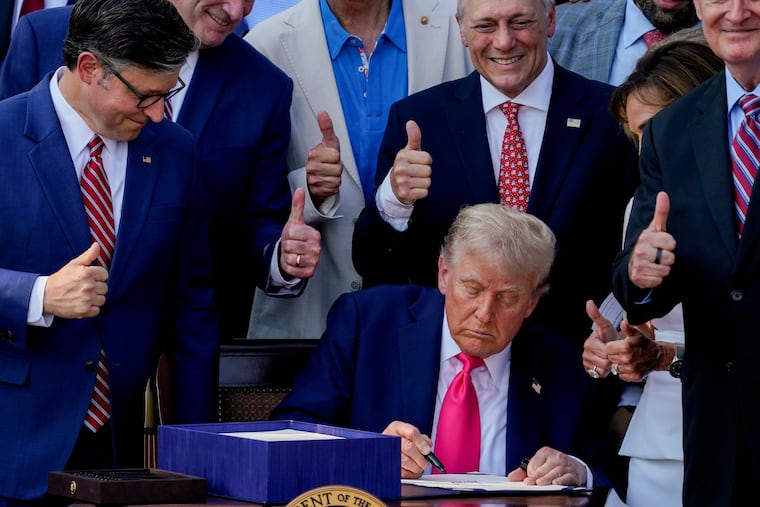
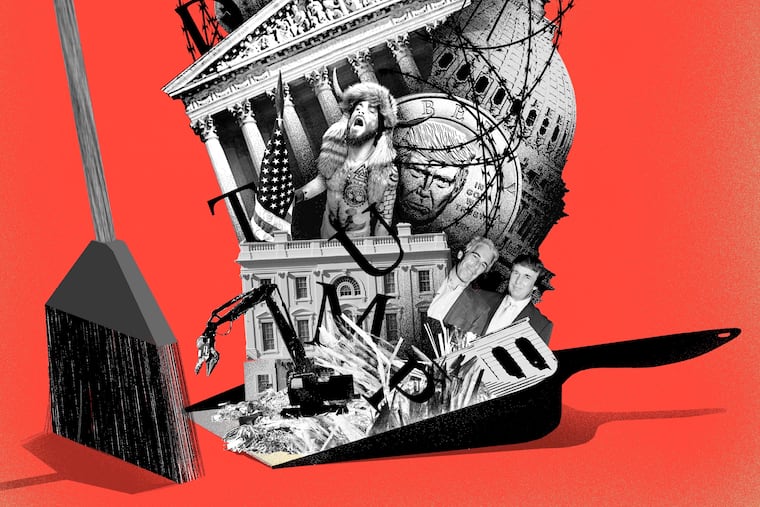
Last year, Congress passed, and President Donald Trump signed, HR 1, the “One Big Beautiful Bill Act.” It included more than $1.1 trillion in cuts to Medicaid and the Supplemental Nutrition Assistance Program (SNAP), many scheduled to take effect after the November midterm elections.
This will be big, but it will be anything but beautiful.
In fact, the cuts will have devastating consequences for public health and local economies across Pennsylvania — especially in Philadelphia, where many families already struggle with rising housing costs, food insecurity, and access to affordable healthcare.
According to the Pennsylvania Partnerships for Children, Philadelphia County is projected to lose $11.4 billion in Medicaid and SNAP funding between 2027 and 2034.
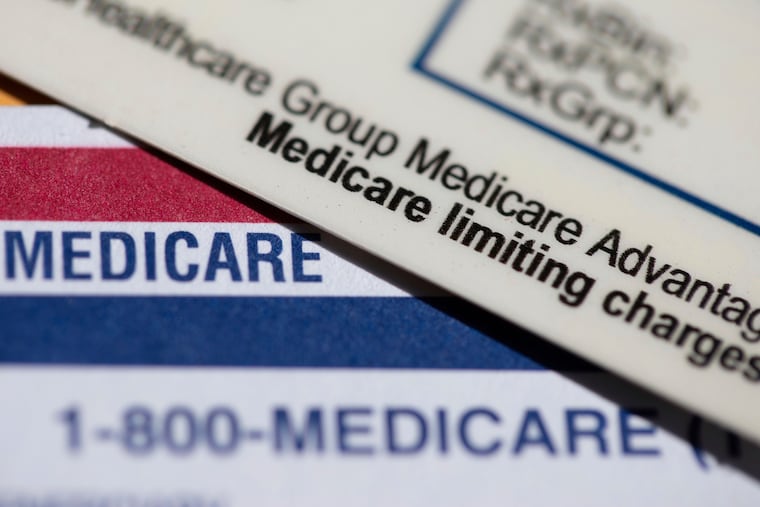
In our city, 34% of residents — including 68% of children — rely on Medicaid for healthcare coverage. In 2023, nearly 30% of Philadelphians received SNAP benefits to help put food on the table. As these cuts take effect, thousands of residents are expected to lose Medicaid coverage entirely, while many more households could lose some or all of their food assistance.
Behind every number is a family struggling to afford groceries, a child in need of medical care, or a senior depending on long-term support services. These are not abstract budget numbers. They are policy decisions that will directly impact the health, dignity, and well-being of our neighbors.
The impact will ripple throughout the city’s healthcare and social service systems. Hospitals, community health centers, nursing homes, behavioral health providers, and food assistance programs all will face increasing strain. Cuts of this magnitude threaten not only healthcare access, but also the stability of families already under economic pressure, seniors, and the disabled.
As these cuts take effect, thousands of residents are expected to lose Medicaid coverage entirely, while many more households could lose some or all of their food assistance.
We are part of a group of Pennsylvanian public health advocates participating in “Seven Days in June,” a national movement to promote public health and raise awareness about the danger of looming public health cuts.
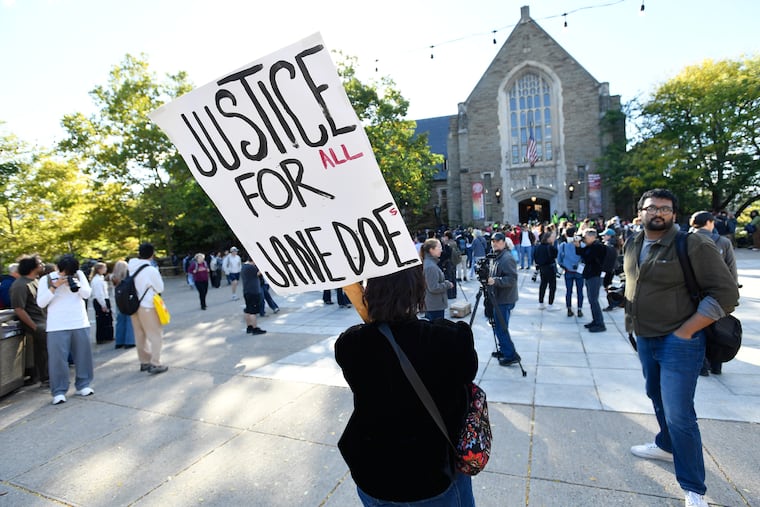
Now is the time to take action. Join us in a candlelight vigil at 7 p.m., June 5, on the steps of St. Luke’s Church at 330 S. 13th St. in Center City to honor those who have died — and those whose lives may be endangered — because of reduced access to healthcare.
If you can’t join, you still can act. Contact your elected officials, speak with neighbors and community members, share information on social media, support local advocacy organizations, and make your voice heard. The future of healthcare and food security in Philadelphia depends on all of us standing together and demanding policies that protect the health and dignity of every person in our community.
Now that would actually be big and beautiful.
Walter Tsou served as Philadelphia’s health commissioner from 2000 to 2002 under Mayor John F. Street. Jose DeMarco is a longtime member of ACT UP Philadelphia.