The shooting at Brown haunts me. It should haunt us all.
When a gunman attacked my classmates, school active shooter drills proved useful to me. It’s a skill I wish I never had to learn.
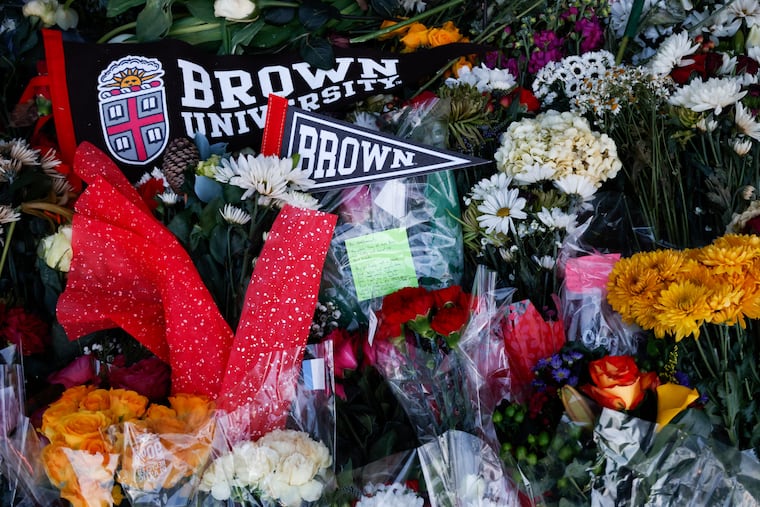
Nearly two weeks after the shooting at Brown University, I still struggle to understand what happened on my campus.
Since rushing back to Gettysburg the evening afterward, I’ve repeatedly sat down with myself and tried to come to grips with the fact that the community I treasure has been torn apart.
Every description of that night and the following days feels cliché. Not because my feelings are simple, but because they’ve been reported hundreds of times. Everything I’ve ever read in the news about the aftermath of a shooting is true: the inability to comprehend what has happened, the feeling that this could never happen to you until it does, the anger toward political leaders who never act.
But there is still no way to convey the heartbreak that underlies the anxiety and anger.
The attack against our campus is an attack against the entire nation, one that prides itself on some of the best academic institutions in the world. The campus community is a sacred bond, something that has become even more apparent to me since Dec. 13. It extends beyond College Hill in Providence, R.I., throughout the United States and the world. And when one of these communities is ripped apart, they all are.
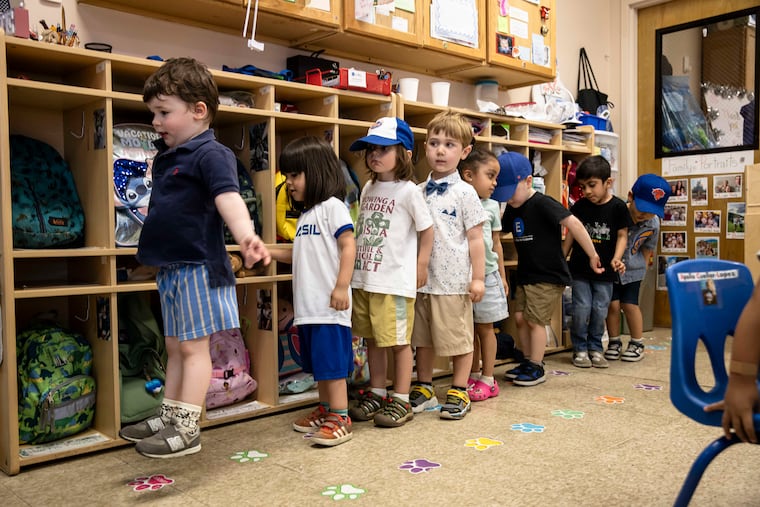
We live in a country where active shooter drills are the norm. Those drills proved useful to me.
When I barricaded myself into a conference room where I sat for nine hours, I operated on autopilot. I knew exactly what to do. At first, this was comforting. But as time has passed, it has haunted me more than anything.
There is a weird sort of satisfaction in applying something you learned practically, but this skill is one I never wanted to have to learn, let alone take to college with me.
When I barricaded myself into a conference room where I sat for nine hours ... I knew exactly what to do.
During the entirety of my high school career, nothing was more exciting than the prospect of attending college. I dreamed of decorating my dorm room, attending classes, and forging a sense that I belonged to something bigger than myself. Brown has surpassed all of my expectations.
But I’ve found it difficult to hold onto this dream since that Saturday afternoon. When I open Instagram to see that our local Indian restaurant is offering free meals to students, a little bit of my faith is restored. When my friends, professors, and colleagues text to check in on me, I still get the warm feeling of home. But it’s a home I know is forever changed, and perhaps that is the hardest part.
Push for change
When I received the alert reporting an active shooter, I was studying for a political theory class that discusses the philosophies of injustice and resistance. The most valuable thing I have learned is that change cannot come without active advocacy. I ask that, in the coming weeks and months, we all actively advocate for change, even when it is inconvenient and uncomfortable.
When I call my elected representative, I get the common response: He is praying for me. This is a response I will no longer accept. None of us should. We must refuse to let our legislators sit in session without a substantive response to this tragedy — and the many thousands that came before it, hundreds of them just in the last year.
Ella Cook and Mukhammad Aziz Umurzokov, who were killed, deserve better. The nine others injured deserve better. Brown deserves better. Our nation deserves better.
CJ Lair is a sophomore at Brown University and an opinions editor at the Brown Daily Herald. He studies political science and is from Gettysburg.