Could grabbing an early morning cup of coffee in North Philly soon be illegal?
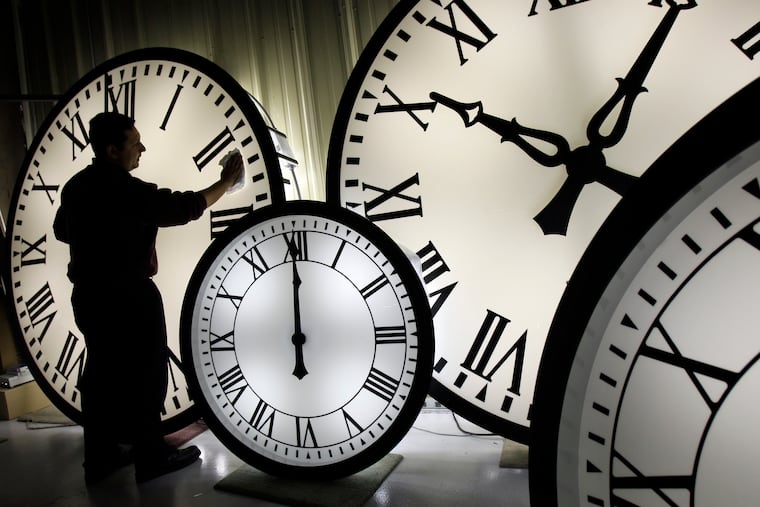
The Institute for Justice has recently engaged with more than 200 residents who reject the impending 11 p.m. to 6 a.m. curfew on businesses, passed by City Council in June with little public input.

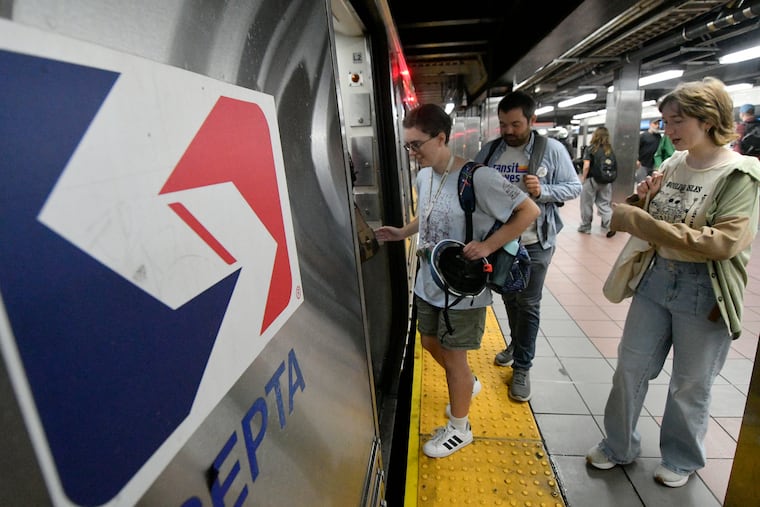
At 5:15 a.m. outside the Frankford Transportation Center, I met Eric, who was working an early shift. At first, he supported City Council’s new curfew requiring many businesses to close overnight to address safety concerns. But when I explained to Eric that the legislation applies indiscriminately to large parts of North Philadelphia, and that the Philadelphia Police Department testified against it, his view shifted.
The police department already struggles to enforce nuisance business laws. Expanding current curfew coverage by more than 500% would only make it worse. As Eric learned more about the bill, he realized an unintended consequence of the bill. “I start my shift at 2 a.m., what if I want to get coffee before? Will it be illegal now?” Eric asked.
“City Council needs to come out here and put their feet on the ground so when they come up with a bill, it can be feasible for the community to actually implement,” he said.
In June, City Council passed Bill No. 250292, which establishes an 11 p.m. to 6 a.m. curfew on businesses that sell goods to consumers — with few exceptions — across the entire 7th and 8th Council Districts and parts of the 1st. Conversations with community organizations suggest Council members solicited little public input for this bill. Many businesses and residents still have no clue that there is an impending curfew.
Over the past three weeks, my team from the Institute for Justice, a nonprofit public interest law firm, has engaged with more than 200 residents who share safety and quality-of-life concerns but reject the blanket curfew as a solution.
Brandon, an early morning commuter, heard about the business curfew for the first time during our conversation. He worries this bill will push law-abiding businesses to relocate, leaving neighborhoods without jobs and access to essential items, while leaving a root cause of these problems — addiction — unaddressed.
Speaking from experience, Brandon — who is proudly two years sober — emphasized how criminalizing addiction with fines or curfews does not help people recover. “Hopefully, City Council will realize this [curfew] won’t help, it will just make things worse,” he said.
» READ MORE: Curfews won’t help stem gun violence. Here are a few things that will. | Editorial
No one can deny that parts of the 7th and 8th Districts (which primarily encompass the neighborhoods of Kensington/Fairhill and Germantown/Mount Airy, respectively) face urgent safety and quality-of-life issues. But closing nearly every business overnight until 6 a.m. risks harming the very people the bill intends to help by reducing the number of eyes on the street.
Studies on the effect of curfews are inconclusive at best, with many suggesting curfews may even increase crime. A 2015 study on the impact of Washington, D.C.’s youth curfews found a 150% increase in gunfire incidents in marginal hours, and Philadelphia’s own data on youth curfews from 2022 suggest the curfews did not decrease violent crime.
Councilmember Quetcy Lozada, who sponsored the bill, says the curfew she implemented in 2024 across the Kensington Corridor has reduced homicides by 80%. But that curfew covered a few blocks, not entire districts. The new business curfew is on a different scale, potentially impacting tens of thousands of people and areas not experiencing high crime.
This curfew will only add another reason for businesses to leave neighborhoods that desperately need the economic activity they contribute.
Banning Wawas from selling early morning coffee to sanitation crews on their way to work, corner stores from selling Tylenol to moms at midnight trying to reduce their kids’ fever, or food trucks providing warm meals for nurses after a middle shift will not make neighborhoods safer. These communities should not have their livelihoods and access to essential items restricted by policies that punish the many for the actions of a few.
Corridor managers in the 8th District shared with us that they have already experienced more than 35 business closures in the past year — this curfew will only add another reason for businesses to leave neighborhoods that desperately need the economic activity they contribute.
Communities deserve meaningful engagement from their representatives and carefully thought-through solutions — not a blanket curfew that risks livelihoods, worsens law enforcement challenges, and leaves underlying problems untouched.
City Council should recall Bill No. 250292 before these unintended consequences become reality.
Ava Mouton-Johnston is a city policy coordinator at the Institute for Justice.