Pediatricians are grieving RFK Jr.’s changes to the childhood vaccine schedule. You should be, too.
The recommendation by RFK Jr. and the CDC to decrease the recommended number of childhood vaccines will have grave consequences.
Several weeks ago, I watched a family lose their young child to bacterial meningitis — an infection of the tissues around the brain and spinal cord. By the time the child reached the hospital, the infection had progressed too far; our treatments could not stop or reverse the damage to the child’s brain. He died within a few hours.
The bacteria we found growing in this child’s bloodstream was one that could be prevented with vaccination. This child was unvaccinated. As we cared for him in his last moments of life, many care team members echoed the same thought.
“This is going to keep happening.”
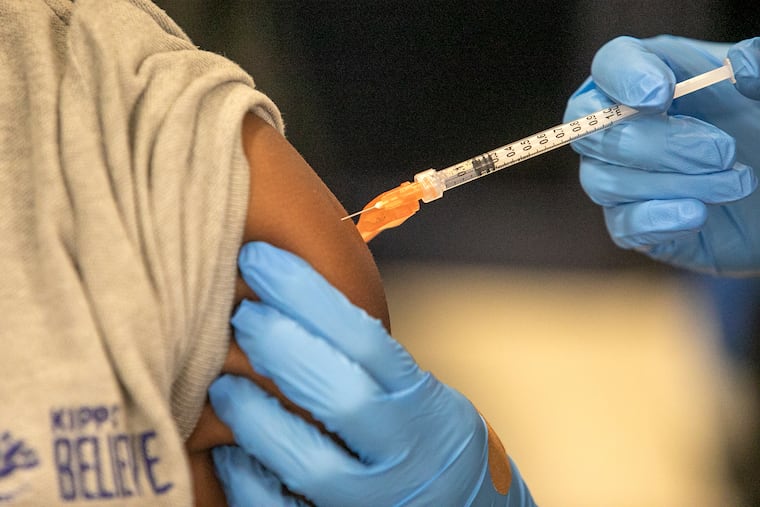
On Jan. 5, the Centers for Disease Control and Prevention released updated vaccine recommendations that decreased the recommended number of childhood vaccines. Based on this new schedule, children would receive routine vaccinations for 11 diseases instead of the previous schedule that protected against 18 ailments. The vaccinations no longer recommended include those for the flu, respiratory syncytial virus (RSV), hepatitides A and B (which cause liver disease), rotavirus (a gastrointestinal illness), and meningococcus (a cause of bacterial meningitis).
Doctors react
The American Academy of Pediatrics, the American Medical Association, and the American College of Physicians have all released statements opposing this move, calling it “dangerous” and “deadly.” According to the AAP’s statement, this “ill-considered decision will sow further chaos and confusion and erode confidence in immunizations.”
The data is clear: Childhood vaccination saves lives, and we have seen increased morbidity as vaccination rates decline.
The data is clear: Childhood vaccination saves lives, and we have seen increased morbidity as vaccination rates decline. But as a pediatrician, this also goes beyond the data.
When I think about vaccines, I think about that young boy in the ICU. I think about how, if the circumstances were different, he might have lived. I think about his siblings, the ones who will no longer get to play in the yard with their younger brother. I think about his parents and how they will no longer get to hold their son or hear his voice. I think about what could have been.
Many parents will say the decision to vaccinate should be between a patient and their doctor.
While I do my best to uphold the doctrine of shared decision-making with the families I see in practice, we must also acknowledge that the decision of whether to vaccinate ultimately impacts others.
Eroding herd immunity
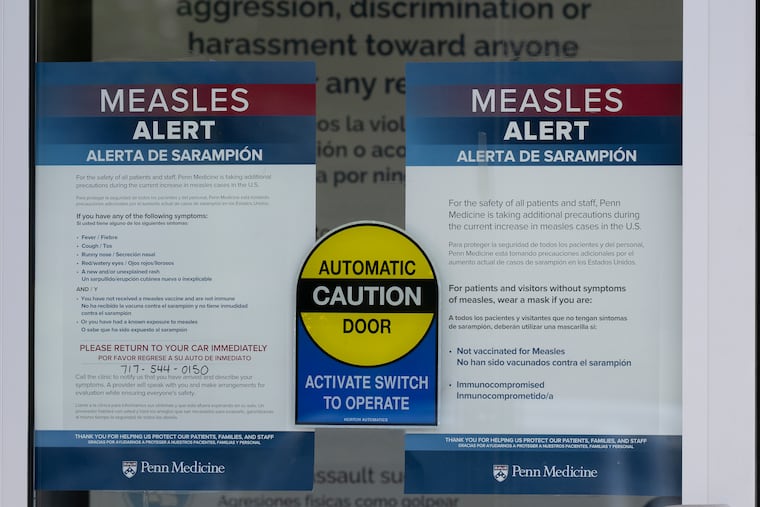
For decades, we have relied on herd immunity to protect vulnerable patients — such as those too young to receive certain vaccines or those who are immunocompromised. With declining vaccine rates, herd immunity has been diminished, leading to outbreaks of preventable diseases. With fewer recommended vaccinations, our vulnerable patients will continue to suffer.
Pediatricians are grieving the children we have already lost to vaccine-preventable illnesses, and we are grieving the losses that will come from these new recommendations.
We urge parents to have open conversations with their pediatricians, look to verified sources such as the American Academy of Pediatrics for information, and trust that we pediatricians do have your child’s best interests in mind. We may be grieving, but we will never stop advocating for your children.
Frances Avila-Soto is a pediatric resident in Philadelphia.