For me, ride-share isn’t a luxury. A $1 tax would make it one.
I understand the city needs revenue. I understand public transit needs funding. But layering increases across every mode of transportation at the same time doesn’t feel like a solution.
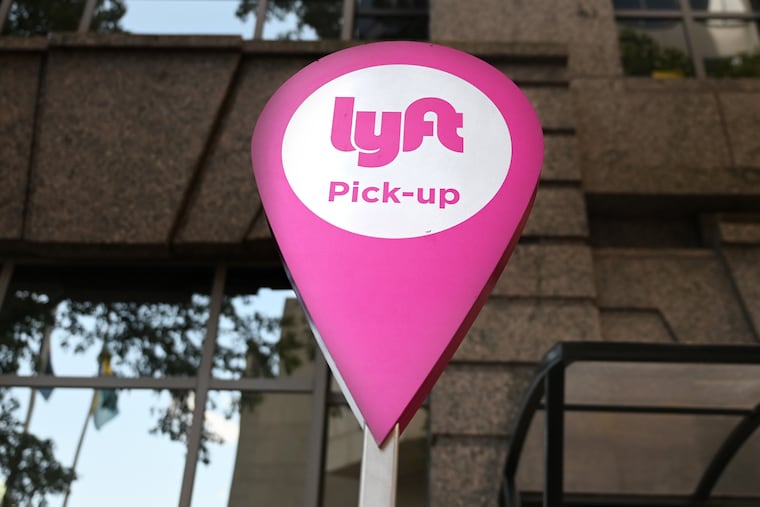
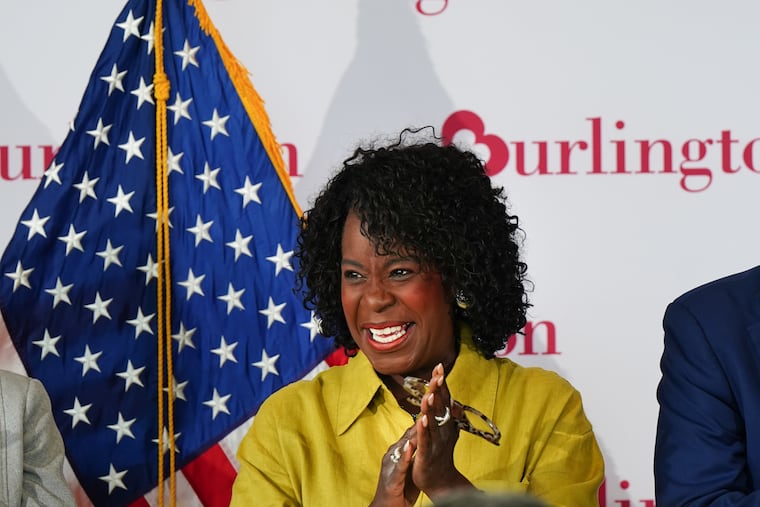
When I heard Mayor Cherelle L. Parker is proposing a new $1 tax on ride-share trips, my first reaction was simple: How are people supposed to get around?
For some, ride-share may seem like a convenience. For me, it’s often the safest way home.
I work for a local nonprofit. My job regularly includes evening events and obligations around the city. About three or four times a month, I rely on ride-share to get home after work events. I also use it roughly once a week when other commitments keep me out late.
As a woman, I think about safety constantly. Waiting alone for public transportation at night, sometimes for 10 or 20 minutes, just doesn’t feel secure. Buses don’t always show up when they’re supposed to. Trains get delayed. When you’re standing alone on a street corner in the dark, that uncertainty matters.
Just recently, at Oregon Station, I was approached by a woman who directed inappropriate and personal questions at me. She wouldn’t leave me alone until I answered. I was with a male friend at the time. I remember thinking how different that situation would have felt if I’d been by myself.
Those are the moments when ride-share feels less like a splurge and more like peace of mind.
The proposed $1 tax may not sound like much. But in a city like Philadelphia, where so many people are already stretched thin, it adds up.
SEPTA recently raised its fares. A base round-trip fare now costs $5.80. Tickets used to be $2 each. That $1.80 increase per day may not seem like a big deal to some people, but if you’re commuting five or six days a week, it becomes real money.
I take SEPTA less than I used to because of the cost and because of reliability. I can’t count how many times I’ve waited for a bus or subway that never showed up. One time, I waited more than an hour. I was late, frustrated, and eventually had to call a ride-share anyway.
If public transit becomes more expensive, and ride-share also becomes more expensive, what options are left?
Philadelphia already struggles with poverty. Eleven percent of residents live on less than $13,000 a year, and nearly a quarter live on less than $26,000. For someone in those income brackets, an extra dollar per ride isn’t pocket change. It’s groceries. It’s part of a utility bill. It’s bus fare for the next day.
Lyft reports that more than 60% of its ride-share trips in Philadelphia start in lower-income neighborhoods. That means this tax would hit the communities that rely on it most.
I can’t count how many times I’ve waited for a bus or subway that never showed up.
I understand the city needs revenue. I understand public transit needs funding. But layering increases across every mode of transportation at the same time doesn’t feel like a solution.
Ride-share fills gaps. It’s not about defending a company. It’s about preserving options.
If SEPTA becomes more expensive and ride-share becomes more expensive, mobility shrinks.
City leaders talk often about equity and access. Equity should mean making it easier for people to get to work, to school, to medical appointments, and home safely at night. It shouldn’t mean narrowing the choices available to those who already have the fewest.
The mayor’s proposal sends a message: that safe, reliable transportation is something you should pay extra for.
For me, and I suspect for many others, it’s not a luxury. It’s how we get home.
Rachel Lefkowitz works for a nonprofit in Center City.