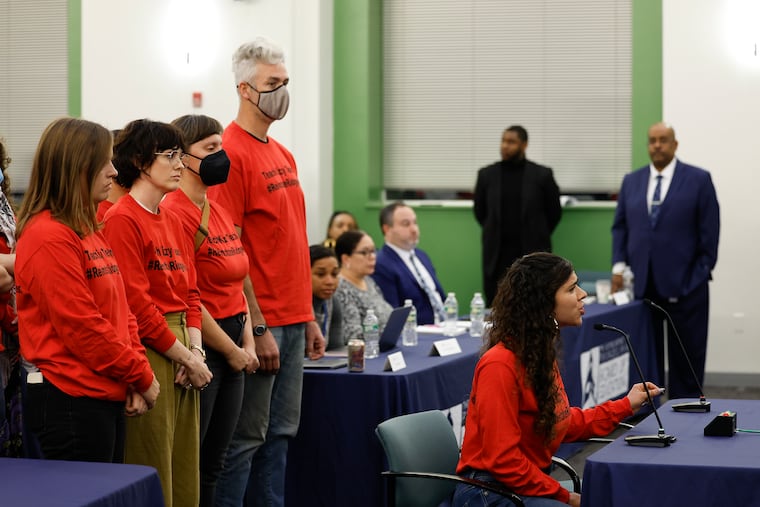
People under 30 are most concerned about the environmental impact of data centers
The anti-AI backlash among younger people points to what research has consistently shown: Younger generations are very worried about climate change.
In recent months, the public’s backlash to the artificial intelligence boom has spilled over to a surprising place: college commencement stages. From Florida to California, students have booed speakers who praised AI or highlighted its growing role in today’s society.
A cohort that historically has supported and quickly adopted cutting-edge technologies is now growing more skeptical.
The backlash is hardly surprising since AI threatens to wipe out the kind of entry-level jobs that new college graduates depend on. But beneath that immediate threat lies another, less obvious one: the AI boom’s impact on climate change — an issue that young people have grown up worrying about and that has shaped how they view their future.
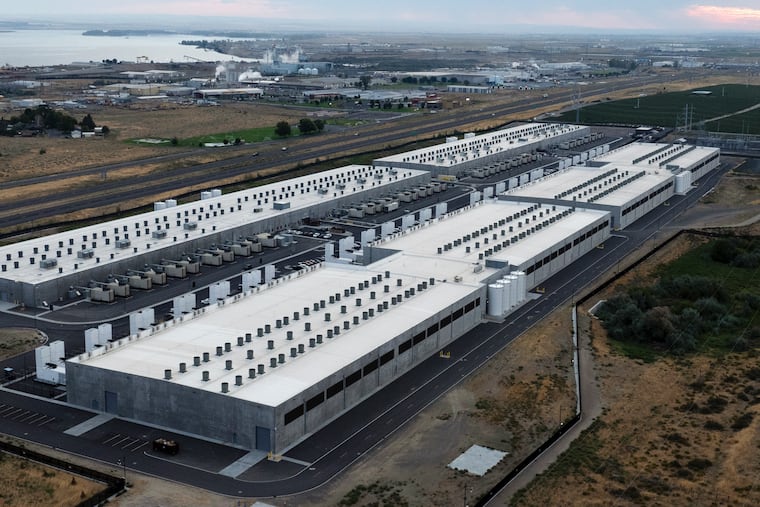
In Pennsylvania alone, there are more than 130 AI infrastructure projects either under construction or in the approval pipeline. As demands for AI have increased, utilities and developers are racing to secure enough power to support them. Clean energy projects are already playing an important role in the AI infrastructure build-out.
But many companies trying to meet energy demands are turning to new fossil fuel plants, reviving coal-fired power, and rolling back their corporate climate goals.
There is a stark contradiction at the center of this reality. AI is marketed as a 21st-century future-oriented technology, yet much of it is being powered by 19th-century energy sources.
In addition to the energy demands, data centers can require up to five million gallons of water for cooling per day, including in regions already facing drought and water stress linked to climate change.
A recent Pew Research Center poll shows that 54% of adults under the age of 30 believe data centers will have negative impacts on the environment. While older cohorts surveyed still express concerns about environmental impacts, it isn’t the majority of respondents as it is with younger people: 44% of those 30 to 49; 35% of people ages 50 to 64, and 26% of those 65 and older.
The increasing backlash among younger people — which has found expression from college commencement speeches to community forums — points to what research has consistently shown: Younger generations are worried about climate change.
They are already experiencing the impacts in Pennsylvania: hotter and longer heat waves, more dangerous flooding, worsening drought conditions, and the increase in certain diseases thanks to the territorial expansion of carriers, like ticks.
If the growth of AI leads to more fossil fuel use, higher emissions, and worsening air pollution, young people are justified in questioning whether the technological progress is worth the future problems they will inherit.
Leaders have a responsibility to usher in new development responsibly. One way to do that is to pair data center expansion with investments in clean energy sources. Clean energy is affordable, local, and reliable, and by producing homegrown power, Pennsylvania could potentially lower power bills and protect families from price spikes in the process.
A clean energy standard for data centers would require that these Big Tech companies use clean energy in increasing percentages over time and that they pay for the required electricity system upgrades to support their operations.
Another way is for the state to require greater transparency around the electricity and water use of these data centers, so communities understand the tradeoffs required for these proposals in their backyards before agreeing to them.
Both of these are part of Gov. Josh Shapiro’s Responsible Infrastructure Development (GRID) Standards, approved by the Pennsylvania House on Wednesday, which codify guardrails to protect consumers and hold data center developers accountable. Companion legislation may be introduced in the state Senate in coming days.
It is a positive move toward responsible development.
Not all young people skeptical of AI are rejecting it; many are just questioning whether the race to build that future is happening with an understanding of the environmental consequences.
For the U.S. and Pennsylvania to continue leading in technological innovation while protecting the planet on which young people will build their lives, leaders must take climate change concerns seriously. Young people deserve their future.
Sanya Carley is the Mark Alan Hughes faculty director of the Kleinman Center. She is also vice provost for climate science, policy, and action at the University of Pennsylvania and presidential distinguished professor of energy policy and city planning at the Stuart Weitzman School of Design.