Ginny’s story: My wife’s experience prompted me to found the Dementia Society of America
In her honor, the society presents the Ginny Gives Awards, supporting organizations that help people living with dementia and their families.
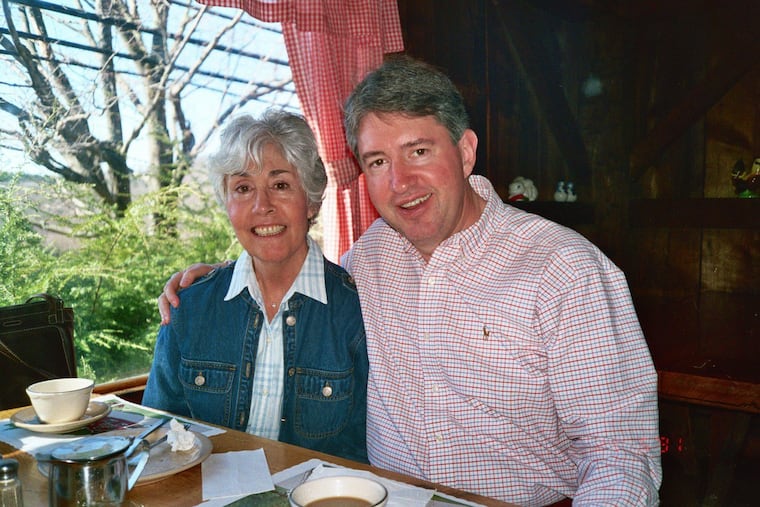
This is a love story. It is also a warning story.
In the early 2000s, my wife, Ginny, and I were going through a difficult time in our marriage. I loved her deeply, but something felt wrong. Her personality had begun to change. It didn’t happen overnight, but it was noticeable enough that I knew something was different. She seemed distant, and sometimes reacted in ways that did not feel like the Ginny I had always known.
At times, I wondered if our marriage might end. Yet, deep down, I felt something else might be happening.
Eventually, I said, “Let’s talk to someone.” We began seeing a marriage counselor. After a few months, the counselor asked to speak with me privately. She said gently: “Kevin, I believe Ginny loves you, and you love her. But I think something else may be going on.”
Soon afterward, we visited our family doctor. At first, nothing pointed to a serious problem. Ginny answered questions and took a brief memory test that seemed mostly normal. But months later, something happened that changed everything.
One evening, we went to a restaurant we had visited before. When we walked in, I greeted the hostess by name. After we sat down, Ginny asked, “How do you know her?”
I explained that we had met the hostess on our previous visit. Ginny became confused and upset. “I’ve never been here before,” she said. “You must have come here with another woman.”
At that moment, I realized this was not simply a marriage problem.
We returned to the doctor, this time with a detailed list of unusual behaviors I had observed. Ginny was referred to specialists and eventually to a university medical center focused on neurological disorders. After extensive testing, doctors told us she had dementia, although they could not determine the exact type.
Today, science has advanced. New scans and tests can often help doctors find answers sooner.
Sadly, Ginny’s condition slowly worsened. She died in 2014 due to complications from the underlying condition affecting her brain. Through every stage of her illness, she was loved and cared for.
One important thing to understand is that dementia is not a single disease.
After grieving, I realized Ginny’s experience could help other families. I left corporate America and founded the Dementia Society of America. Since then, our nonprofit has supported tens of thousands of individuals and families facing dementia.
One important thing to understand is that dementia is not a single disease. It is a syndrome, a group of symptoms that may affect memory, thinking, personality, behavior, and movement. We call it “The Big Umbrella.” Alzheimer’s disease is the most widely known cause, but there are many others, including vascular dementia, frontotemporal degeneration (FTD), Lewy body dementia (LBD), chronic traumatic encephalopathy (CTE), and more.
In Ginny’s case, I believe past head injuries may have played a role. She worked as a ski patroller for many years and had several hits to the head, along with a serious car accident more recently.
One lesson I share with everyone is simple: If you notice changes in memory, thinking, or personality, do not ignore them. Talk to a doctor. Some conditions that resemble dementia — including depression, vitamin deficiencies, metabolic disorders, or medication interactions — may even be treatable.
There are also ways to support brain health. Building cognitive reserve by learning new things and staying curious helps strengthen the brain. Neuroplasticity, the brain’s ability to form new connections, can be encouraged by trying new activities, hobbies, and experiences. Healthy sleep, physical activity, nutritious food, social connection, and stress management also matter.
For families facing dementia, care partners play an essential role. Early on, I worked alongside Ginny as her care partner, but over time, I became her primary caregiver. Caregiving is an act of love, but it can also be exhausting. Caregivers must care for themselves, too, and ask for help when needed.
» READ MORE: I have early onset Alzheimer’s disease. Here’s what I’m grateful for. | Opinion
If you are noticing changes in a loved one — or even yourself — please know you are not alone. Help is available.
I think about Ginny every day. In her honor, the Dementia Society of America presents the Ginny Gives Awards, supporting organizations that help people living with dementia and their families.
Ginny’s story changed my life. I hope the lessons she taught me will help others.
If you notice changes in memory, thinking, or personality, talk to a healthcare professional and get checked. And start today by taking small steps to care for your brain.
Everyone deserves the knowledge Ginny gave me.
Kevin Jameson is CEO of Dementia Society of America, located in Doylestown, a volunteer-driven 501(c)(3) nonprofit organization dedicated to creating awareness, advancing research, and enriching the lives of those facing dementia in all its forms.

Inquirer Opinion Newsletter