DOGE may be right. Recent experiences at the DMV are proof of dysfunctional bureaucracy.
Pennsylvania's DMV system is a monument to inefficiency: conflicting information, paper-based processes, and a palpable lack of customer-centric design.
Elon Musk’s Department of Government Efficiency (DOGE) in the Trump administration has sparked considerable debate. While its “wood chipper” approach to federal spending and staffing raises legitimate concerns, my recent experience navigating Pennsylvania’s own bureaucratic maze has me grudgingly acknowledging a sliver of its underlying premise: Our government systems are often profoundly broken.
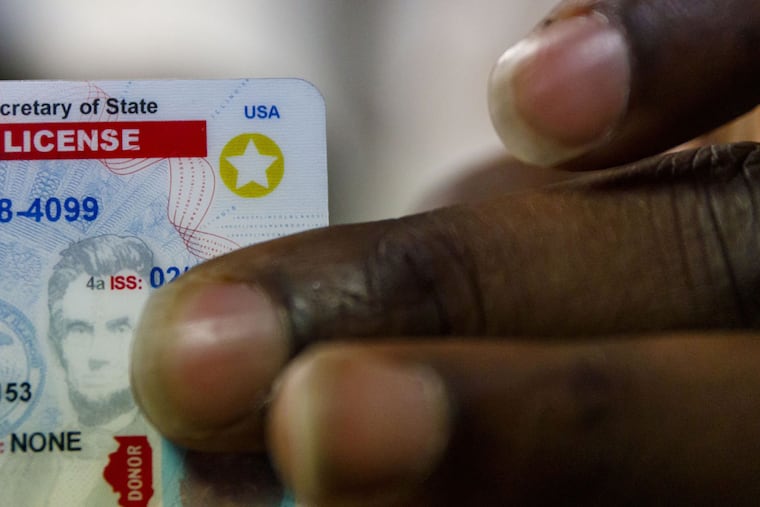
As new residents of Pennsylvania, my wife and I knew a trip to the dreaded Department of Motor Vehicles to transfer our driver’s licenses from Delaware was inevitable. The looming May 7 deadline for REAL ID enforcement has generated headlines about multi-hour lines at PennDot locations. In possession of REAL IDs since 2021, we planned to avoid the DMV at all costs until the lines subsided.
However, a recent car accident totaled my vehicle and forced my hand. To register a new car in Pennsylvania, I needed a Pennsylvania driver’s license, and that meant braving the Glen Mills Driver License Center.
Arriving an hour before opening last Saturday proved futile. Three hours later, I emerged with an “ultra-secure” temporary paper license that would have had the typo “Media, OA” printed instead of “Media, PA” if it weren’t for my keen eye. (It’s unclear why that’s even possible at a location that only issues Pennsylvania driver’s licenses.)
I’m carless while my new vehicle sits on the dealer’s lot, hostage to a dysfunctional government system.
The system was a monument to inefficiency: conflicting information, paper-based processes, and a palpable lack of customer-centric design. It didn’t take an expert in process improvement — just someone who’s been through a Chick-fil-A drive-through — to see glaring opportunities to make the lives of license seekers easier.
While the REAL ID mandate is a federal issue that has been fumbled for the last 20 years, the chaotic implementation I witnessed falls squarely on Pennsylvania. It’s a stark example of what Johns Hopkins professor Steven M. Teles aptly terms “kludgeocracy” — a government choked by layers of complex, inefficient, and often contradictory processes.
My ordeal didn’t end with the temporary license. When I finally purchased a replacement vehicle, the dealership refused to accept the very document PennDot had issued. I tried contacting PennDot, only to find it had adopted the techniques of other customer service bastions like the cable company and insurance carriers: an endless phone menu leading to “all operators are busy, call again later.”
A desperate trip to the Norristown Driver License Center 15 minutes before closing revealed yet another line snaking around the building. My only option was to leave a deposit and come back when I have an appropriate ID. I’m carless while my new vehicle sits on the dealer’s lot, hostage to a dysfunctional government system.
Seeking help, I turned to my delegation from Harrisburg. Serendipitously, I found State Sen. Tim Kearney (D., Delaware) hosting a live webinar with PennDot’s REAL ID director, Sarah Baker. Here, I thought, was a chance for real human interaction with someone who could resolve my dilemma.
I outlined my predicament and suggested simple solutions: expedite the printing of my license or allow me to pick up my physical REAL ID at the King of Prussia location, which has on-site printing capabilities. This was an opportunity for the commonwealth to show a new resident that government can be responsive.
Instead, their response was like a scene from NBC’s sitcom Parks and Recreation: I should continue to wait for the ID in the mail, or endure another multi-hour line in King of Prussia to fill out more forms and pay a duplicate fee. Kearney offered a sympathetic but ultimately unhelpful, “I can understand your frustration.”
This isn’t just about the inconvenience of being carless. It highlights a deeper dysfunction where frontline public servants operate within a rigid system, seemingly powerless to apply common sense. The costs of this “kludgeocracy” disproportionately burden those who rely most heavily on social safety nets, forcing them to navigate a constant, frustrating web of red tape.
While the drastic measures of DOGE at the federal level are unsettling, my experience suggests a critical need for a serious reevaluation of how Pennsylvania delivers public services. We don’t necessarily need to bulldoze the entire system, but we desperately need to identify and dismantle the “kludges” that waste our time, erode our trust, and ultimately hinder our lives.
Justin Kates, a new resident of Media, served as a public servant for 17 years in the state of Delaware, the city of Nashua, N.H., and the city of Somerville, Mass.