What Downingtown taught me about America
National politics frequently reduces immigrants to abstractions, talking points, or symbols in an endless cultural battle. But Downingtown saw something simpler and more profound: a neighbor.
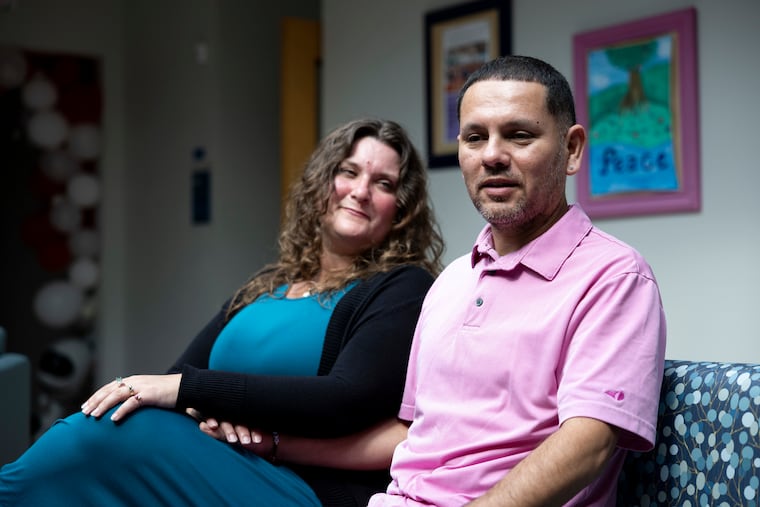
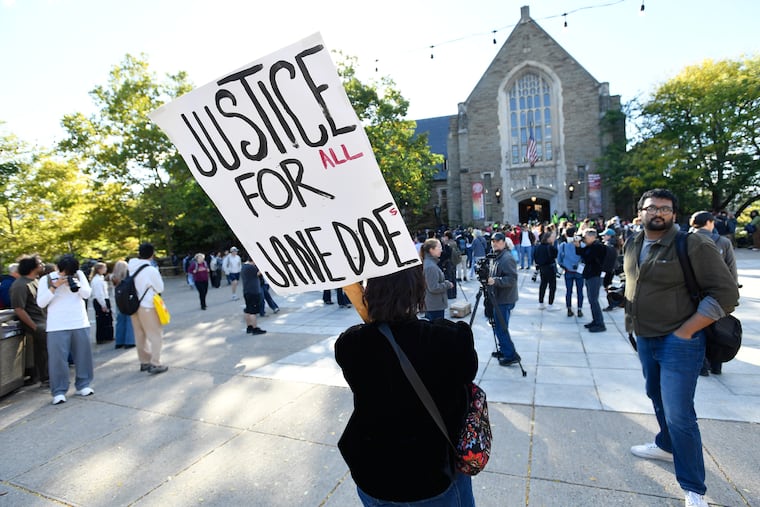
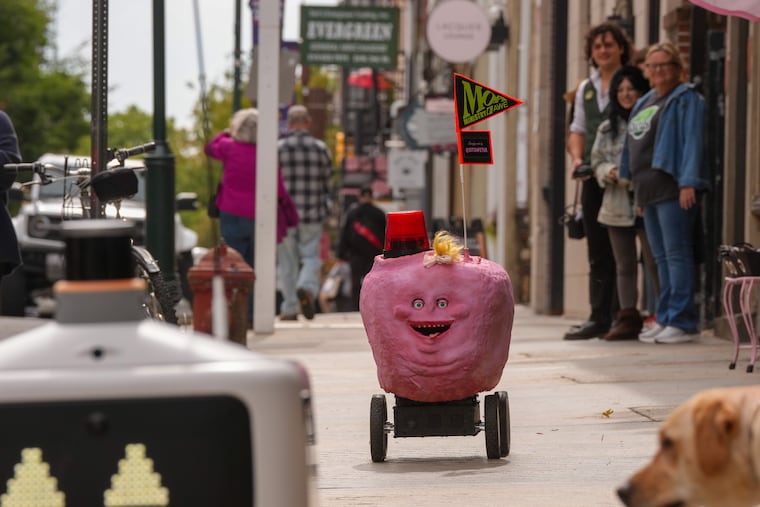
“Welcome Home Carlos!” their signs read, lining the streets of Downingtown, as neighbors gathered to embrace Carlos Della Valle on May 6. Carlos had spent nine months in U.S. Immigration and Customs Enforcement detention, was transferred 16 times to nine different detention centers, and was separated from his family of U.S. citizens as well as the life they had built together over decades.
To the U.S. government, Carlos was someone who did not belong here, but to the people of Downingtown, he was a father, a husband, a neighbor, and a friend.
What Downingtown taught me about America that day, and in its rallying in support of Carlos since, is that we need to reclaim the idea that democracy begins with how we treat our neighbors. If we do not resist the politics of fear and dehumanization, we risk becoming a country where belonging is determined not by our shared humanity, but by who can be most easily cast aside. Doing so would diminish not only immigrants, but the democratic values that bind us together as Americans.
I stood beside Carlos, as part of his legal team, at his first ICE check-in, watching as officials removed his ankle monitor. An ICE check-in is a mandatory appointment where immigrants in deportation proceedings report to ICE and are subject to certain restrictions. That weekend, hundreds of people — across faiths, races, classes, and political backgrounds — filled the Central Presbyterian Church to celebrate the family’s reunion. The mayor had already issued a proclamation declaring May 6 “Carlos Freedom Day.”
In today’s America, these scenes can feel almost improbable.
We are living through one of the most polarized moments in modern American life, and immigration often sits at the center of that divide. National politics frequently reduces immigrants to abstractions, talking points, or symbols in an endless cultural battle. But Downingtown saw something simpler and more profound: a neighbor.
Contrary to the White House’s repeated claims about going after the “worst of the worst,” the people being targeted are our neighbors, parents, students, workers, and small-business owners. We need to reframe how we think of immigrants.
Carlos is not a headline to the people who fought for him. He is the husband of Angela Della Valle. Father to Alessandro, a University of Pittsburgh student. He is part of the daily fabric of community life. And when he was taken away, the community responded not with indifference, but with collective moral clarity. They saw an American family being torn apart by an immigration system that too often values punishment over proportionality and humanity.
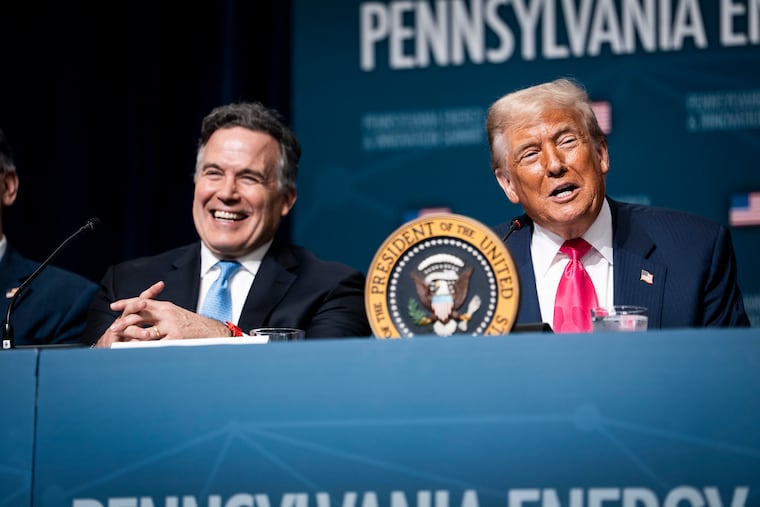
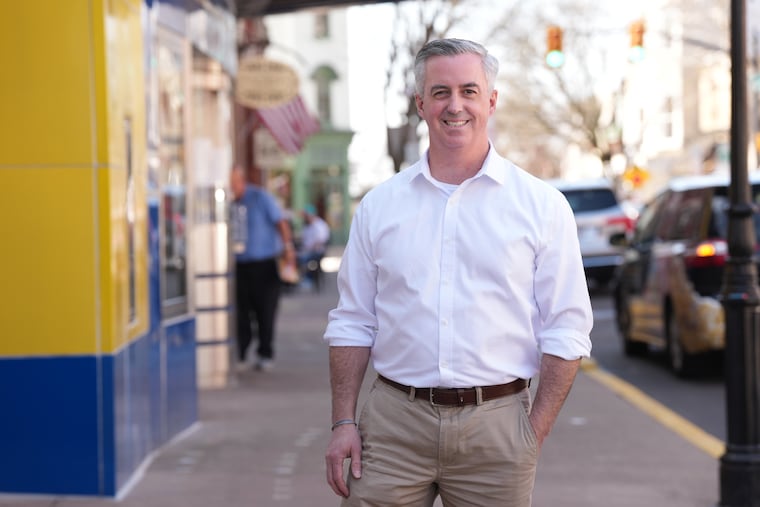
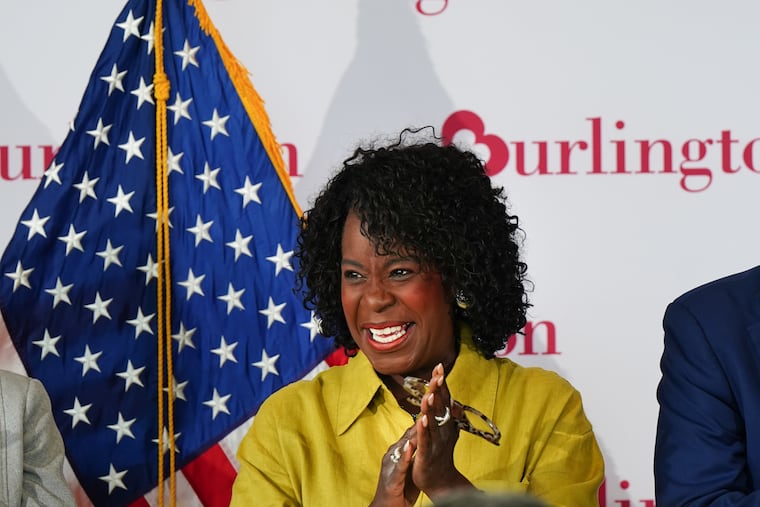
Not only was the breadth of support extraordinary, but also its diversity. Neighbors organized relentlessly. Faith leaders and congregations mobilized even though they had never met Carlos. Local officials spoke out. Democrats and Republicans alike stepped forward. From Democratic Mayor Erica Deuso, Pennsylvania’s first openly transgender mayor, to Republican Sen. Dave McCormick, people recognized that keeping this family together was not a partisan issue. It was a human one.
Yet, the Della Valle story is not unique. Because Congress has failed for decades to modernize immigration laws passed in 1996, 1.5 million mixed-status families across the country continue to live in prolonged legal limbo — raising children, building businesses, contributing to their families and communities, while facing the constant threat of separation.
What happened in Downingtown matters precisely because it offers another path forward. At a moment when national politics often rewards fear and division, this community demonstrated that Americans across political lines can still come together around a simple principle: Families who have built their lives here should not be torn apart unnecessarily. Communities can lead with moral courage — and elected officials can follow that example by working across party lines to create a fairer and more workable immigration system worthy of the country we aspire to be.
As someone who recently became a Pennsylvania resident, I found myself deeply moved by what unfolded here. At a time when so much of our national discourse encourages suspicion and division, this community chose solidarity instead. It reminded me that beneath the noise of national politics, many Americans still believe in something fundamentally generous about this country.
Downingtown showed that communities in America can still transcend political division. That neighbors can still defend one another. That belonging is built not through rhetoric, but through relationships, contribution, and shared humanity.
For nine months, it took a village to fight for Carlos Della Valle’s freedom. In the end, that same village welcomed him home.
It will take federal immigration reform for Carlos — and the millions of aspiring Americans like him — to finally be recognized as fully belonging in the country they call home. The residents of Downingtown have been transformed, and are committed to ensuring their taxpayer money is not used to rip families apart and devastate entire communities, but instead to create commonsense reforms that keep families together.
Communities across Pennsylvania and the country have much to learn from the courageous people of Downingtown.
And perhaps that should not surprise us.
Pennsylvania has long stood at the center of the American story. It is where the country wrestled with its founding ideals, and where generations of immigrants arrived seeking the possibility of building a life in freedom and dignity. As we approach the nation’s 250th anniversary, the question before us is not simply what America has been, but what kind of country we still aspire to become.
Downingtown offered one answer.
Marielena Hincapié is a Philadelphia resident, an immigration law and policy fellow at Cornell Law School, and a New America (Arizona State University Future Security) fellow, 2026.