Earth Day and the promise of a greener Philadelphia
In our city, progress in the fight against pollution and environmental degradation lives in the parks, waterways, and public spaces that shape daily life for millions of residents.

Every April 22, communities across the country mark Earth Day in diverse ways. Some plant trees. Others clean up their blocks or volunteer in nearby parks. But at its core, Earth Day is more than a day of service — it is a reminder that the environmental future of our nation is built locally.
That idea has long held true in Philadelphia.
More than 50 years ago, the first Earth Day emerged from a growing national awareness of environmental challenges. In 1970, Americans gathered in parks, on college campuses, and in city streets to call for action against pollution and environmental degradation.
The movement that followed led to meaningful progress: cleaner air, restored waterways, and a broader understanding that environmental protection is our shared responsibility.
One of the most important lessons of Earth Day is that real progress begins close to home. In Philadelphia, that progress lives in the parks, waterways, and public spaces that shape daily life for millions of residents.
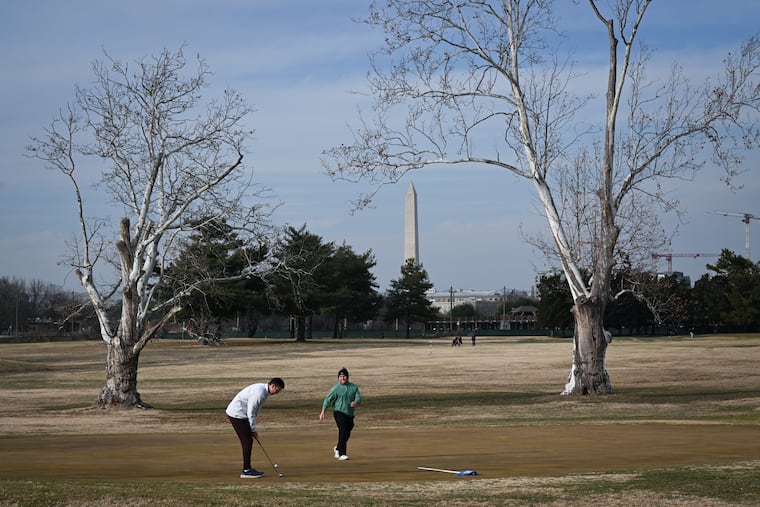
From the historic landscapes of Fairmount Park to neighborhood playgrounds and recreation centers, these places are not luxuries; they are essential infrastructure. They help cool neighborhoods during extreme heat, absorb stormwater during heavy rains, and provide welcoming spaces where people can gather, exercise, and connect with nature.
In recent years, the city has made strides in strengthening this green infrastructure. At FDR Park in South Philadelphia, one of the most ambitious ecological restoration efforts in Philadelphia’s history is underway.
For decades, flooding and illegal dumping damaged the park’s natural areas and limited its use. Today, a major restoration project is rebuilding wetlands to better manage stormwater, restore wildlife habitats, and improve climate change resilience — all while enhancing public access and recreation.
In West Philadelphia, the revitalization of Cobbs Creek offers another powerful example of the connection between environmental investment and community well-being. Watershed restoration and stormwater management investments are helping reduce flooding risks while bringing new life to a critical urban ecosystem.
Meanwhile, across Philadelphia, momentum is building to expand the city’s tree canopy. We know trees remain one of the most effective tools available to combat rising temperatures, improve air quality, and promote public health.
In 2023, Philadelphia Parks and Recreation launched the Philly Tree Plan to provide a road map for a citywide effort with public agencies, community organizations, and residents all working together, focused on planting and maintaining trees in priority neighborhoods that have historically lacked access to green space.
This effort is set to formalize with the launch of the Philly Tree Coalition this Arbor Day, which will also celebrate Philadelphia’s 50th anniversary as a Tree City USA (a distinction held by only 16 cities committed to urban forestry).
Earth Day reminds us that protecting the environment is not the responsibility of government alone.
All this progress is driven by strong partnerships and a deep sense of civic pride. Every weekend, volunteers across Philadelphia dedicate their time to maintaining gardens, cleaning parks, and caring for shared spaces. This spirit of service is especially visible during Love Your Park Week, when more than 100 parks participate in volunteer events that draw thousands of residents, working together to prepare public spaces for the busy seasons ahead.
Central to these efforts is the long-standing partnership between Parks and Recreation and the Fairmount Park Conservancy. Pairing the city’s stewardship of public land with the conservancy’s ability to raise philanthropic support, mobilize volunteers, and deliver innovative programs, this collaboration has accelerated improvements across Philadelphia’s park system. From trail restoration and tree planting to major capital projects and neighborhood park upgrades, this model ensures public investments go further while keeping communities involved in shaping the spaces they use.
This work reflects a broader vision for Philadelphia’s future. City leadership has emphasized the importance of making Philadelphia one of the safest, cleanest, and greenest big cities in the country. That requires sustained investment in parks and recreation, continued expansion of tree canopy, and ongoing efforts to protect and restore waterways. Just as importantly, it requires a commitment to equity — ensuring every neighborhood benefits from a healthier and more sustainable environment.
Earth Day reminds us that protecting the environment is not the responsibility of government alone. It is a shared civic effort that depends on the participation of residents, businesses, nonprofits, and public institutions alike.
Philadelphia has always been a city shaped by civic action. That spirit continues to guide the work of building a greener, healthier future. And like Earth Day itself, that work does not end after a single day — it carries forward, growing stronger with each passing year.
Susan Slawson is the commissioner for Philadelphia Parks and Recreation. Tony Sorrentino is the CEO of Fairmount Park Conservancy.