Tackling gun violence as our shared purpose
Philadelphia made history in 2025, recording the fewest homicides in almost 60 years. But we need to stay tuned in and keep showing up.
As we start the new year, many of the challenges that persisted in 2025 remain on our horizon for 2026. Sadly, gun violence is one such challenge, but our city has demonstrated what the power of working together can do in making progress in such a significant way.
Philadelphia made history in 2025, recording the fewest homicides in almost 60 years, and it is true that many cities nationwide are also experiencing this trend. But Philadelphia’s gains are noteworthy in that it is seeing these tremendous public safety gains despite continuing to struggle with issues like deeply entrenched poverty.
There are many factors driving these numbers, and Mayor Cherelle L. Parker’s public safety strategy of prevention, intervention, and enforcement (PIE) has brought vital focus and intention driven by data. Working together — the Philadelphia Police Department and the Office of Public Safety working in tandem, along with organizations like the group I lead, the Civic Coalition to Save Lives — enable the sum to become greater than the parts in their overall effectiveness in bolstering the city’s strategy.
For our part, we represent nonprofit and private-sector partners by activating resources like subject matter experts, new data infrastructure, and innovative cross-jurisdictional collaborations.
The results are compelling: One analysis found that Philly had the best community safety infrastructure of any of the nation’s 10 largest cities, and a Pew poll found that public perception of safety is improving. That means the Office of Public Safety — an entity only two years old — is leading other major cities in its comprehensive approach to violence prevention and intervention.
This is something our city should be proud of and raise up.
Just a few years ago, the city was struggling with record-high shooting and homicide rates coming out of the pandemic, and while many individuals and organizations from every sector had meaningful tools to address the issue, it lacked one cohesive, well-coordinated approach to save the maximum number of lives from gun violence in the near term.
From this gap, both the coalition and the Office of Public Safety were derived, the latter via mayoral executive order, and have grown intertwined in expanding the reach and capacity of Philadelphia’s vast network of anti-violence and cognitive behavioral health approaches deployed to reduce shootings.
The credit for the success of these many violence prevention and intervention strategies lies with our leaders who have the focus and political will, the practitioners and participants in these programs relentlessly choosing to do this hard work, the public and private funders, and informed and engaged nongovernmental partners.
Looking to the future, maintaining success and remaining focused on Mayor Parker’s and City Council’s goal of being the safest city will require continued vigilance and commitment to what works. Unfortunately, many organizations are already facing historic budget challenges exacerbated by losses of funding at the federal level that had incentivized proven, focused violence intervention practices.
As we confront this reality, let’s keep in mind the adage that an ounce of prevention is always worth a pound of cure.
According to a report by the city, every fatal shooting in Philadelphia can cost as much as $1.5 million in related policing, healthcare, job/property loss, and that is not even accounting for the indirect lost tax revenue or economic activity in high crime areas, or the most important cost: the human impact and intergenerational trauma carried through families and communities.
A report by the City Controller’s Office also estimated that an investment of $43 million over five years could reduce homicides by 35%, which would translate into a more than $70 million return on investment in increased property tax revenue alone.
Our call to action for Philadelphians when it comes to reducing violence is this: Stay tuned in and keep showing up, however you can. As Mayor Parker often says, don’t just listen to what is said, watch what people do.
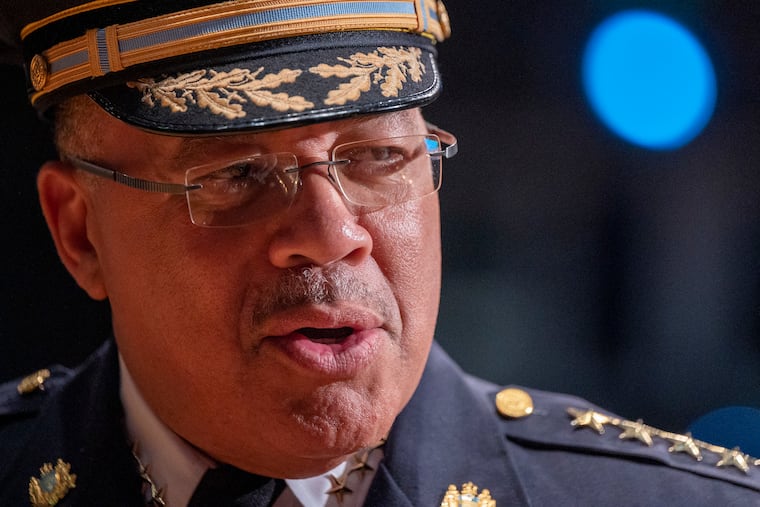
The unified, coordinated effort to reduce gun violence is working (for context, 2025 saw fewer than half of the record-high homicides and shootings seen in 2021). Mayor Parker, Police Commissioner Kevin J. Bethel, and Public Safety Director Adam Geer have said it, too: “We can’t let up off the gas pedal.”
We agree.
There is an African proverb that says: “If you want to go fast, go alone. If you want to go far, go together.” Reducing gun violence can only be achieved over time — not overnight. And the only way we’ll be able to solve it is by working together.
Here’s to the promising journey ahead.
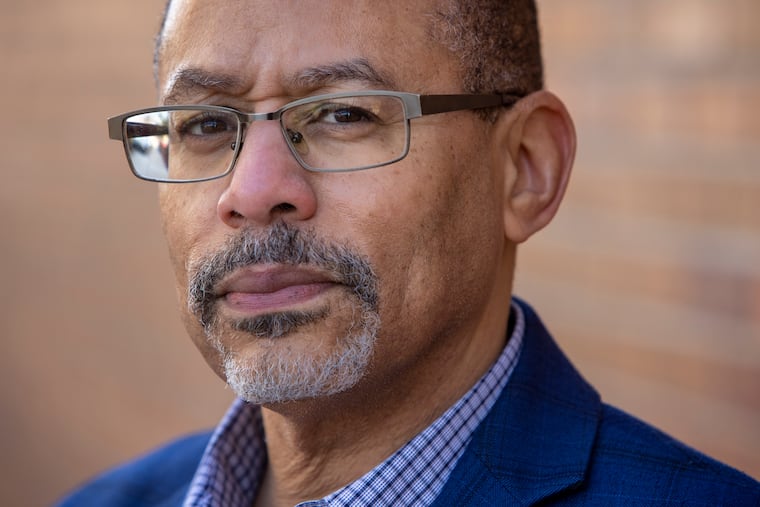
David W. Brown serves as the executive director of the Civic Coalition to Save Lives.

Inquirer Opinion Newsletter