Mission-driven healthcare still matters. That’s why underfunding hospitals hurts all of us.
Reimbursement from government payers — like Medicare and Medicaid — consistently falls short of the cost of care. Private insurer payments are often inadequate. The future depends on collaboration.
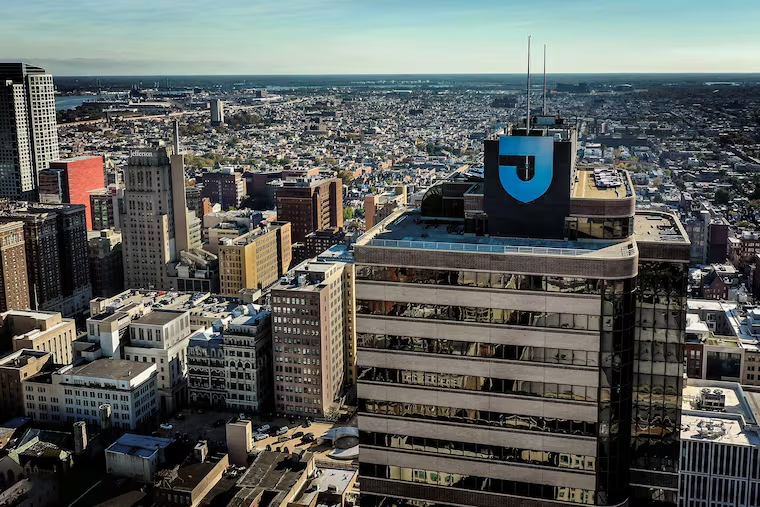
Philadelphia’s health has always been Jefferson’s purpose. For more than 200 years, we have been here for this region — not only to treat illness, but to stand with communities, expand opportunity, and strengthen the neighborhoods that make Greater Philadelphia home.
That mission comes to life every day in patients like Denise.
Denise is a middle-aged woman from South Jersey who began experiencing subtle but persistent symptoms of a heart attack — dizziness, shortness of breath, and discomfort in her shoulder. Like many women, she ignored the warning signs, putting her family, her work, and her community before herself.
Nearly a week passed before her husband insisted on calling 911. Denise was rushed to Jefferson Washington Township Hospital, where clinicians quickly recognized she was having an active heart attack.
She was stabilized and transferred to Thomas Jefferson University Hospital, where she underwent lifesaving triple bypass surgery.
Her story did not end when she left the hospital.
Today, Denise is a proud supporter of Cherry Hill’s Mayor’s Wellness Walk — an initiative Jefferson sponsors — because she now understands how critical something as simple as walking can be to heart health, recovery, and long‑term well-being.
Her journey is a powerful reminder that healthcare does not stop at hospital doors. It lives in communities — on sidewalks, in neighborhood parks, and in the shared moments that bring people together to take control of their health.
Today, that commitment to whole‑person, community‑centered care is more vital than ever — and more difficult to sustain.
Across Pennsylvania, more than half of hospitals operate below sustainable margins. Mission‑driven health systems face rising labor, supply, and pharmaceutical costs, growing demand for mental health and substance use treatment, and aging clinical infrastructure. All of this is happening as reimbursement continues to lag behind the true cost of care.
Hospitals in Pennsylvania are among the most underreimbursed in the country. Reimbursement from government payers — including Medicare, Medicaid, and the Children’s Health Insurance Program — consistently falls short of the true cost of delivering care. Overall, commercial reimbursement in Pennsylvania is approximately 30% lower than the national median.
That math does not work — not for hospitals, not for clinicians, and not for patients.
Adequate, stable reimbursement matters. Private insurers must recognize the essential role mission-driven and safety-net providers play in maintaining access to care, public health readiness, and community stability.
Underfunding hospitals does not save those with insurance coverage any money. It shifts costs, limits access, strains the workforce, and weakens the institutions that communities depend on most — the very institutions that were there for Denise when every minute mattered.
Jefferson feels these pressures more acutely because of the populations we serve. As the largest safety‑net health system in Eastern Pennsylvania, we care for patients others cannot — and often will not.
And yet, every year, Jefferson invests approximately $1.8 billion in programs and services designed to improve community health and expand access to care at low or no cost. This community benefit investment is among the largest of any health system in Pennsylvania.
These commitments extend far beyond hospital walls. They include free and reduced‑cost care for patients with nowhere else to turn, trauma and emergency services that support the entire city, behavioral health and addiction treatment, community‑based clinics, and sustained funding for hundreds of nonprofit partners working to improve food access, housing stability, workforce development, and other critical social supports.
This work is not peripheral to our mission. It is our mission.
Jefferson also trains the next generation of clinicians, researchers, and healthcare leaders committed to serving this region. In moments of crisis — from public health emergencies to neighborhood‑level trauma — our teams respond without hesitation. We do this because Philadelphia deserves nothing less.
But sustaining this level of service for more than two million patients each year requires confronting the financial realities facing mission‑driven hospitals.
Every year, Jefferson invests approximately $1.8 billion in programs and services designed to improve community health and expand access to care at low or no cost.
Our patients deserve access to the best clinicians, advanced treatments, and lifesaving research. Our colleagues deserve the resources and stability that allow them to focus on what they do best: caring, teaching, healing, and lifting up communities.
Jefferson has been here for more than two centuries because we put Philadelphia first. Our future will be no different.
That future depends on shared responsibility and collaboration — among health systems, commercial insurers, employers, and policymakers at the local, state, and federal levels.
Public payers must ensure reimbursement reflects the true cost of care.
Commercial insurers must meet their obligation to fairly support the providers that anchor access in our communities.
And community leaders and residents can play a role by making their voices heard about the importance of sustaining mission‑driven healthcare.
It’s crucial that mission‑driven health systems continue to strengthen neighborhoods, support caregivers, and safeguard the health of this region — today and for generations to come.
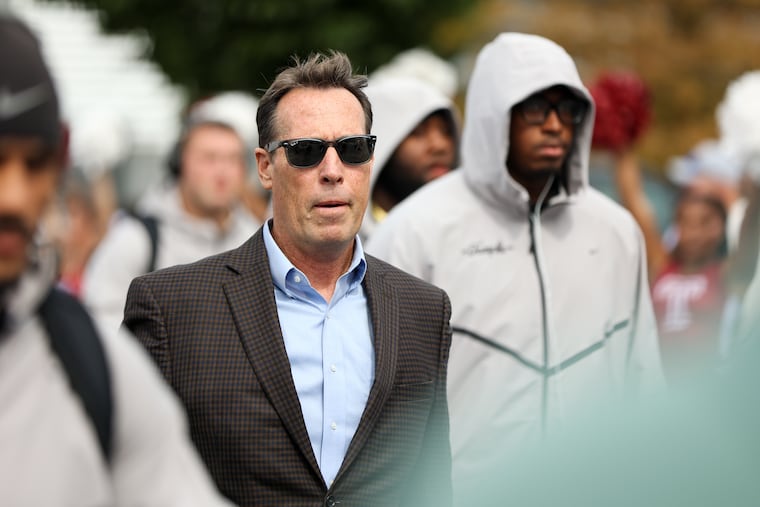
Joseph G. Cacchione has been the CEO of Jefferson — which includes Jefferson Health, Thomas Jefferson University, and Jefferson Health Plans — since 2022.