Mayor’s age-friendly housing initiative is one AARP can get behind
Mayor Parker's H.O.M.E. initiative represents the smart, data-driven zoning reform that will help create housing choices for Philadelphians 50-plus.
Philadelphians 50-plus want what everyone wants: the freedom to live independently and with dignity in the communities they love. For most, their home is not just where they raised families or built memories — it’s also their greatest financial asset.
In fact, in Philadelphia, nearly 75% of adults aged 50 and older own their homes, and for many, home equity accounts for more than half their net worth. And according to U.S. Census Bureau data, more than 85% of older adults nationally want to remain in their homes as they age, a sentiment echoed by residents in Philadelphia.
Yet, over half of Philadelphia homeowners over 50 live in homes more than 60 years old, which can mean rising maintenance costs, safety hazards, and accessibility challenges, according to the SeniorLAW Center. Additionally, nearly 30% of older Philadelphians live alone, increasing the need for safe, supportive environments that enable independent living.
That is one of the reasons the nonprofit I am part of, AARP, has been advocating across the country for more affordable housing options that offer choice in where and how to live for people of all ages.
Here in Philadelphia, the June enactment of a sweeping set of zoning and land use reforms as part of the H.O.M.E. (Housing Opportunities Made Easy) initiative of Mayor Cherelle L. Parker represents the smart, data-driven zoning reform that will help create housing choices for Philadelphians 50-plus, including duplexes, rowhouses, and more affordable units in transit-rich neighborhoods, that AARP Pennsylvania has been advocating for.
But now it is imperative that members of City Council and the Parker administration communicate and collaborate to ensure these reforms are swiftly implemented.
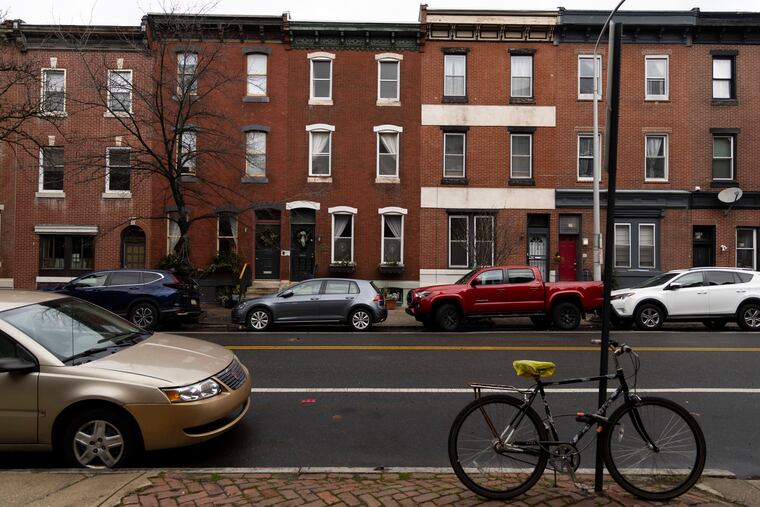
For Philadelphians looking to downsize while staying near family, these reforms remove roadblocks and encourage “gentle density,” which involves incorporating small-scale missing middle housing, such as duplexes, triplexes, and accessory dwelling units, into the existing neighborhoods in a way that aligns with the neighborhood’s character and culture of the homes. They also help prevent the need for costly and time-consuming zoning variances, streamlining the process for building housing that reflects the way people live.
Backed by a $1 billion commitment — $800 million in city bonds, plus $200 million from other sources — the H.O.M.E. initiative aims to build or preserve 30,000 houses. That includes protections to crack down on “tangled title” scams. Tangled titles happen when a homeowner’s name isn’t on the deed. Without clear ownership, older adults may be blocked from home repair programs, property tax relief, or leaving their dwellings to family. The H.O.M.E. initiative offers legal help to fix this, supporting housing stability and generational wealth.
At AARP, we advocated for these reforms because we know many Philadelphians live on modest or fixed incomes and are increasingly overwhelmed by property taxes, rent increases, and home maintenance costs. In fact, a recent Pew survey found nearly 35% of Philly seniors (those over 65) are living at or near the poverty level.
The city’s fiscal year 2026 budget now includes $22.25 million for home repair and preservation, $5.25 million for expanded rent subsidies, and $12 million for housing counselors who can help residents avoid eviction, untangle property titles, and remain stably housed.
AARP supports emergency relief funds for at-risk renters and homeowners.
These are not abstract victories — they are lifelines. No Philadelphian should have to choose between paying for housing and buying medication or groceries.
That’s why AARP supports emergency relief funds for at-risk renters and homeowners, and transparency measures that protect older residents from losing their homes to predatory practices. But livable communities are about more than just roofs over our heads. The city’s budget also prioritizes accessible transportation — $30 million to continue the Zero Fare program for low-income riders, and $500,000 to launch a sidewalk master plan that will help Philadelphians of all ages and life stages get around safely.
With this, we are witnessing a closer alignment between the city’s policies and AARP’s vision for aging in place: safe, affordable homes, accessible public spaces, and building communities where everyone, regardless of age, can thrive as they age.
Yocasta Lora is the associate state director of advocacy and community engagement at AARP Pennsylvania.

- AARP: Building for the Future: Creating Homes and Communities for Aging Well
- AARP: Where We Live, Where We Age: Trends in Home and Community Preferences
- University of Michigan National Poll on Healthy Aging: Older Adults’ Preparedness to Age in Place
- Pew: How ‘Tangled Titles’ Affect Philadelphia
- Philadelphia Mayor’s Office: Housing Opportunities Made Easy (H.O.M.E)