When children’s rights become revenue for profiteers
Nonprofits protect the legal rights of vulnerable children in detention and facing deportation. Handing that responsibility over to for-profit companies puts those services at risk.
For-profit companies have already turned immigrant detention into a profit center despite public outrage. Now, they’re setting their sights on a new way to fatten their wallets: immigrant children.
Last year, the Trump administration cut funding for legal services for over 26,000 immigrant children facing violence, trafficking, and exploitation. While the courts restored the funding after a drawn-out legal battle, a new threat now looms: for-profit companies that want to make money off the legal support immigrant kids receive.
Since federal funding for legal services for immigrant children began nearly two decades ago, only nonprofit organizations have provided those services. These nonprofits aren’t in it for the money. But now, for-profit, private companies are eyeing this program as a source of enrichment for themselves. If we allow the “profitization” of legal aid, the outcome is clear: Children will be harmed.
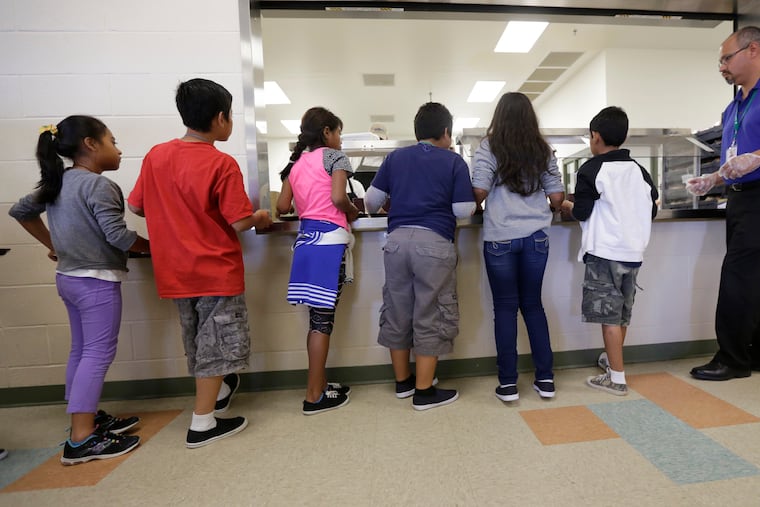
Across America, unaccompanied immigrant children are held without their families in government shelters. These kids can be as young as toddlers and typically are in their early tween and teen years. They are often escaping violence, abuse, or death threats in their home country, resulting in trauma and distrust. They need attorneys and advocates they can trust who are dedicated to the children’s safety and to their immigration cases, not to making a buck.
Unaccompanied kids currently get this free, frontline help from nonprofit attorneys who are trained to work with vulnerable children. A large network of nonprofits across the country collaborates to represent these children. They often work alongside pro bono volunteers — attorneys who are willing to work for free to ensure these children have a fair day in court as they face deportation.
If we allow the “profitization” of legal aid, the outcome is clear: Children will be harmed.
For the entire lifespan of the legal services program for immigrant children, a nonprofit has managed and disbursed funding to local legal aid groups from the U.S. Department of Health and Human Services. Is it enough money to help every child? No. Is it enough money that the nonprofits don’t also have to fundraise? No. But it is enough to make the program work and to help most of the kids.
But what happens when this funding, which is already barely sufficient, gets cut and diced up once a for-profit company takes over? What happens when a program designed to help children must also make a profit? That profit will come at the expense of the children. There is no “extra” funding in the program being squirreled away to generate profits and make shareholders happy. Instead, the for-profit company will need to cut corners: either by reducing services or the number of kids it helps.
In practice, a for-profit company overseeing the program will likely find ways to create “efficiencies” to save money: giving children less time to meet with their attorneys to learn and prepare their cases, requiring remote communications between advocates and frightened children they have never met in person, or being stingy in deciding which children “deserve” help.
What happens when a program designed to help children must also make a profit? That profit will come at the expense of the children.
Sadly, this is the possible future we face. In the current bidding process to manage this national program for the next four years, ICF, a for-profit, international consulting company, has staked its claim. ICF is publicly traded on the NASDAQ and reported revenue of $1.9 billion last year. It has a history of contracting with U.S. Immigration and Customs Enforcement (ICE) and the U.S. Department of Homeland Security for services such as data management, strategy, and communications. It is certainly not a legal aid organization.
If ICF wins the contract, this will be a new frontier in the commercialization of the U.S. immigration system. We have already seen what happens when for-profit companies own and manage ICE jails: adults in detention are treated horribly, due process is gutted, and people die. If ICF wins this contract, we will see just how much damage will be done when legal aid is driven by profit. If this is allowed to stand, what’s next? ICE officers employed and courts run by for-profit companies?
The attacks on immigrants since the Trump administration took office have been relentless. But this attack may fly under the radar for most people — it seems technical and transactional, and it sounds boring. But it may be the most insidious attack on immigrant children so far.
The implications of letting profit drive how legal services are delivered to kids will ripple for many years, tearing down the work nonprofits do every day. This is hard, traumatizing work, and it does not pay well. The heroic employees of nonprofits who do this work believe that children, no matter where they are from, deserve to be treated with kindness and dignity and protected from further harm. That will no longer be the case if profiteers take over.
Now is the time to speak out and make sure Congress knows that only nonprofits should provide legal aid to immigrant children who need legal help.
Jim Sandman is a distinguished lecturer at the University of Pennsylvania Carey Law School, president emeritus of the Legal Services Corp., former managing partner of Arnold & Porter, and a past president of the District of Columbia Bar. Michael Lukens is the executive director at the Amica Center for Immigrant Rights, overseeing its legal and operational programs. He was formerly an attorney at Paul Hastings and currently serves as the treasurer on the board of the Washington Council of Lawyers.