Want juvenile incarceration rates to drop? Hire more social workers for defenders.
There is a simple, cost-effective way to move a few steps closer to reducing incarceration while saving public dollars: Hire more social workers for the Defender Association of Philadelphia.
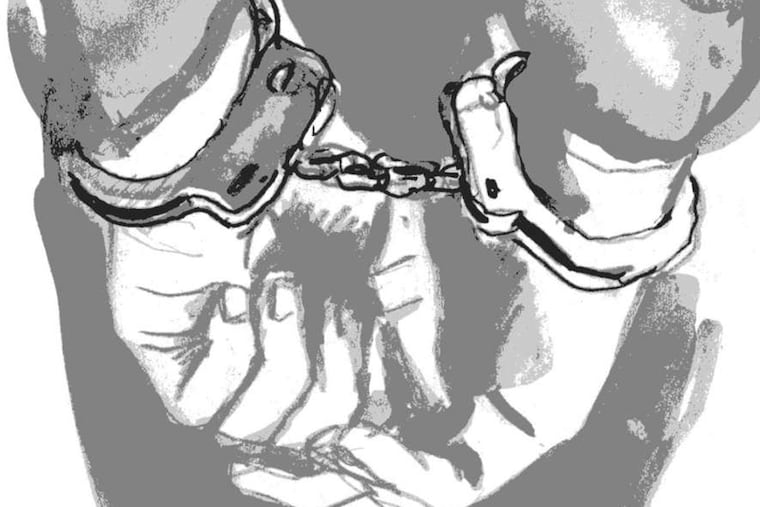
Philadelphia locks up teens at far higher rates than other, larger U.S. cities, as well as cities like Baltimore that struggle with similar levels of poverty and inequality. Yet, we know that incarcerating teens has long-lasting negative consequences on their education, employment, health, and ability to thrive, without increasing public safety.
Imagine a Philadelphia where juvenile incarceration rates decline, protecting our city’s teens from the negative effects of incarceration while saving public dollars. There is a simple, cost-effective way to move a few steps closer to that reality: Hire more social workers for the Defender Association of Philadelphia.
Social workers are uniquely trained to work with young people who have been detained. Their role is to focus on the social, economic, and environmental factors a young person may be facing, rather than just looking at the issues that have brought them into the carceral system.
With this holistic point of view, social workers advocate for young people’s rights and needs at the individual and systems levels. They are agents of change and work with other members of a young person’s defense team to assess their client’s mental health needs, substance use issues, and family or housing concerns to connect them with critical supports such as therapy or job training.
Social workers are trained to consider a comprehensive perspective and can effectively lead interdisciplinary teams to ensure young people have a holistic defense.
A study by the Bronx Defenders found that interdisciplinary defense teams that incorporate social workers can have a significant impact on incarceration rates: that holistic defense model demonstrated a 16% decrease in the likelihood of custodial sentences, and a 24% decrease in expected sentence length when compared with a traditional public defense model.
These may seem like small changes, but expanding the social work team at the Defender Association of Philadelphia could prevent dozens of teens from being incarcerated every year and decrease the time spent incarcerated for dozens more. It could also help prevent the serious overcrowding at the Philadelphia Juvenile Justice Services Center, where the average daily census remains above the licensed capacity.
The city spent more than $80 million on juvenile justice in fiscal year 2021, with costs of up to $220,000 for those youth in state placement and secure detention. Over the past several years, the number of incarcerated youth has increased more than 25%, alongside increases in youth in state placement and secure detention. And those costs do not include the long-lasting impacts of incarceration on the health, well-being, and employment of our city’s young people.
Teens at Philadelphia’s Juvenile Justice Services Center have also experienced extreme overcrowding and routine use of extended seclusion, in violation of state rules. These issues amplify the negative effects of incarceration on teens, putting them at further risk of adverse physical and mental health outcomes.
But every crisis is also an opportunity.
As City Council reviews and debates the budget for this coming year, Council members have an opportunity to fund an increase in the number of social workers in the Defender Association of Philadelphia — a low-cost intervention that could decrease incarceration rates, save the city money, and reduce the economic and human toll of incarceration on Philadelphia’s communities.
As Nate Balis of the Annie E. Casey Foundation said, “In light of what we know about the negative effects of detention on young people and the continued racial disparities that define juvenile detention in this country, our systems must explore every option and confine young people only in extraordinary cases.”
Our city spends tens of millions of dollars to incarcerate young people, despite the knowledge that the incarceration of teens is harmful. It’s time to spend a few hundred thousand dollars to keep some of them out of jail.
Cheryl Bettigole is a professor of clinical family medicine and community health at the Perelman School of Medicine at the University of Pennsylvania and the director of public health integration. She served as the health commissioner for the city of Philadelphia from 2021-2024. Tamara J. Cadet is an associate professor at the School of Social Policy and Practice. Prior to her faculty roles, she worked as a social worker for more than 25 years. The opinions expressed here are theirs and do not represent those of the organizations with which they are affiliated.