Why the Library Company’s future belongs with Temple University
Merging Franklin’s 1731 library with Temple is a renewal of a 300-year-old public commitment to shared knowledge. The partnership will ensure scholars and readers can access its unique holdings.
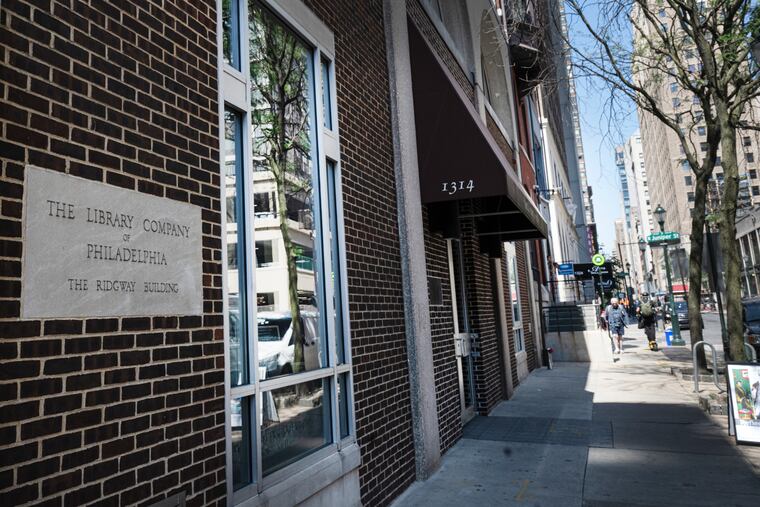
Since 1988, I’ve had the privilege of being a research fellow and shareholder of one of Philadelphia’s quiet marvels: the Library Company of Philadelphia. It began as a bold experiment — an effort by tradesmen and thinkers to share books and ideas for the common good.
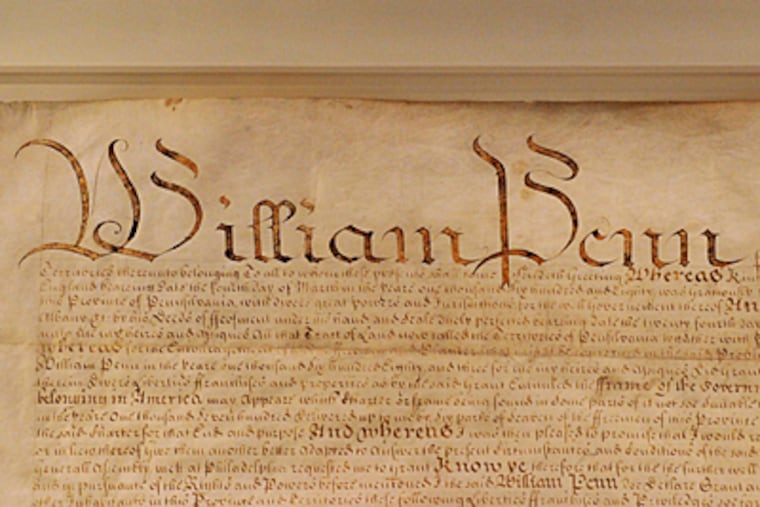
Nearly three centuries later, that spirit of shared knowledge still animates the place. To a casual visitor, the Library Company might feel like a time capsule — shelves of rare books, manuscripts, and prints stretching back to the colonial era.
But those who know it best understand that it’s alive.
It hums with conversation and discovery. It’s where a student first learning to handle an 18th-century pamphlet can find guidance from a seasoned curator, and where scholars from across the world come to pursue questions that shape how we understand the American past.
History continues
That vitality — the sense that history is not finished, but ongoing — is what has sustained the Library Company over the centuries. And it’s what now leads the institution toward an important new step: a merger with Temple University.
The word merger can make people uneasy. For those of us who have based our scholarship on the Library Company’s unique holdings, it might sound like a loss of independence or identity. But I see this moment as the next chapter in Benjamin Franklin’s long experiment — a way to ensure this remarkable institution continues to serve Philadelphia and the world as a living, breathing center of learning.
The Library Company has always thrived on partnership. It was founded not by a wealthy patron or a government grant, but by ordinary citizens pooling resources so that knowledge could be shared. That same ethos has guided it ever since.
But running a major research library today requires more than devotion. It requires modern infrastructure, technology, and the reach of a larger educational ecosystem. It requires sustained financial support, something with which it has struggled in recent years. Without alumni or tuition revenue, and as National Endowment for the Humanities fellowship programs have ended, the Library Company faces serious financial headwinds.
That is why the proposed partnership with Temple makes sense. Temple’s president, John Fry, will lead a $25 million fundraising effort as part of the university’s next capital campaign — timed to the Library Company’s 300th anniversary and Temple’s own 150th. He has pledged that the Library Company’s distinctive scholarly culture will remain intact. Within Temple’s library system — but from its location on Locust Street — the Library Company will retain its curatorial leadership, its fellowship programs, and its identity.
The next generation of researchers, students, and visitors will find in its reading rooms the same sense of wonder and discovery that has defined the institution since Franklin’s time.
The Library Company’s history shows that adaptation is part of its DNA. It evolved from a subscription library into a public research center; it opened its doors to women long before that was common; it embraced open-access digital scholarship when others hesitated. Each time, change only strengthened its mission.
This new partnership will ensure scholars and readers of all backgrounds continue to benefit from the Library Company’s programming, fellowships, and community. It means that the next generation of researchers, students, and visitors will find in its reading rooms the same sense of wonder and discovery that has defined the institution since Franklin’s time.
Ties to the city
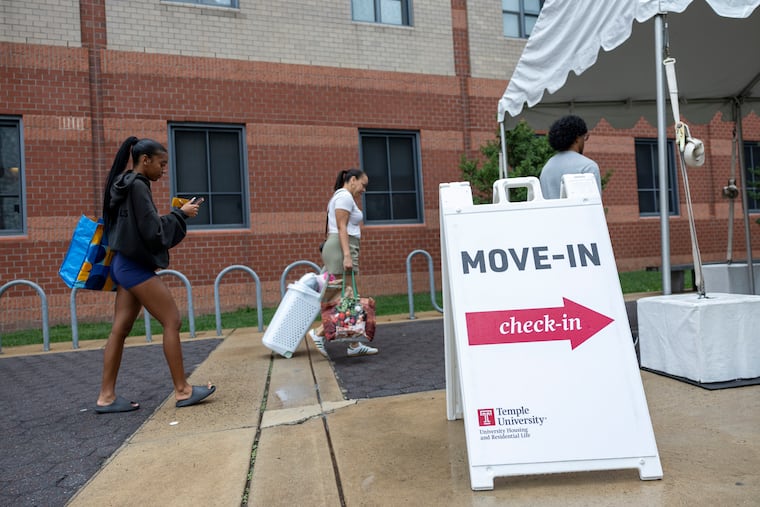
It also deepens the Library Company’s connection to the city. Temple’s students — many of them Philadelphians and the first in their families to attend college — will now have direct access to one of the nation’s greatest archives of American and Philadelphia history. Imagine the spark when a Temple student encounters a document that shaped the very city they call home. That is what public learning looks like in Franklin’s city.
The Library Company’s users form a community of scholarship that stretches far beyond Locust Street. I’ve watched ideas take root in the reading room that later become books, exhibitions, and public conversations. I’ve seen how its reach far exceeds its modest footprint.
Now the Library Company’s shareholders have the chance to ensure that influence continues — securely, vibrantly, and with the full support of one of Philadelphia’s great universities.
This is not an ending; it is a renewal.
It reaffirms what Franklin knew in 1731: that when we work together, knowledge expands, solutions abound, opportunity multiplies, and the city’s best ideals endure — nearly 300 years later.
Rosalind Remer was the executive director of the federal commission to commemorate Benjamin Franklin’s 300th birthday. She is the senior vice provost for libraries, collections and archives at Drexel University.